
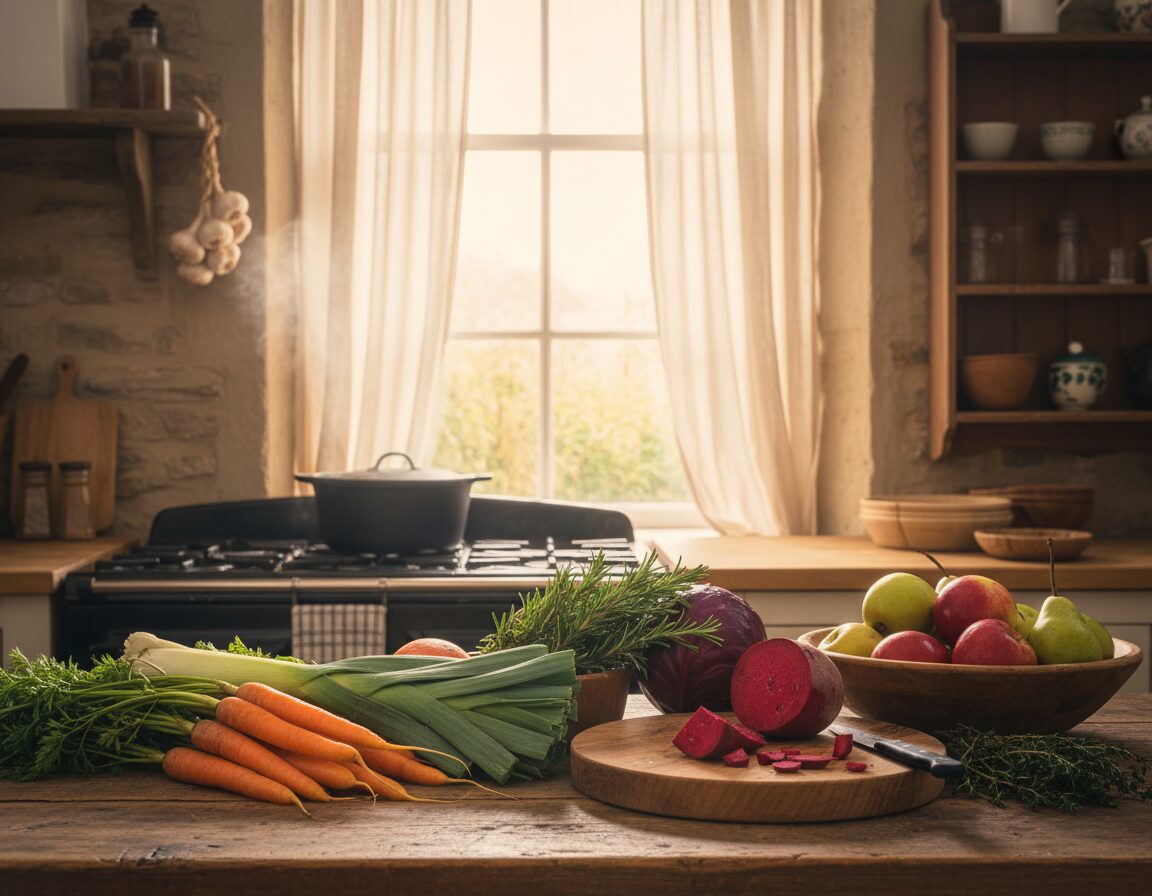
I use seasonal british cooking as a simple rule in my kitchen — it helps me pick produce that tastes better and costs less at different times of the year.
I’ll set out what I mean by this in real terms: it’s a guide, not a rulebook. I focus on what shops actually stock and what fits into a busy weeknight.
What I notice is clearer flavour in peak tomatoes, berries and brassicas, fewer watery veg and fewer pricey impulse buys. It also lowers food miles and packaging, which matters to me.
I’ll show how I plan meals around the season, shop without overspending and store veg so it lasts. I keep things flexible — a few reliable staples each week make the rest fall into place.
Key Takeaways
- I use seasonal produce as a guiding principle, not a strict rule.
- I prioritise taste, cost and what local shops stock.
- Short UK seasons — like asparagus — are worth a small plan to enjoy fully.
- Cooking this way usually means better flavour and less waste.
- Simple habits each week make seasonal food manageable and joyful.
How I actually use seasonal british cooking to plan meals (without it taking over my week)
My meal plan starts with a 60‑second glance at what shops and veg boxes are offering this month. I check a short month‑by‑month list — National Trust is handy — then look at what’s piled up or cheaper in the local shop.
My quick “what’s in season?” check for the UK
I keep it fast. A one‑minute list, a peek at the veg box note and a look at bargains. If spinach, lettuce or spring onions are turning up in March/April, I lean into lighter meals.
How I pick dishes that suit the weather and the produce
I match methods to produce: roots like roasting, greens want a hot pan or quick steam, and salad leaves need little fuss. In cold time of year I favour trays and soups. In spring I choose quick pans and simple salads.
How I stay flexible when the shop or veg box swaps items
I use two flexible anchors each week:
- One big cook: a tray or stew that makes leftovers.
- One fast midweek: a quick pan dish that accepts swaps.
If a box throws extra onions or lettuce, I decide: use raw first, roast some, freeze the rest. I rely on small staples like garlic and onions so swaps don’t derail dinner.
| Dish type | Good for | Example |
|---|---|---|
| Roast | Roots, potatoes | Tray of carrots and potatoes |
| Quick pan | Greens, beans | Pan‑fried spring greens and beans |
| Raw | Salad leaves, lettuce | Mixed salad lunch |
Example spring week: a potato bake, a bean and tomato quick pan, and a use‑up salad lunch. It’s simple, calm and keeps the plan flexible — just how I like it.
What to buy each month in the UK (a practical seasonal produce map)
Here’s a simple month-by-month map I actually use to pick the best produce at the shops. I don’t buy every item listed; I choose three to five that look good and plan meals around them.
Winter
Brussels sprouts, carrots, leeks, parsnips and cauliflower are my go-to roots and brassicas. I also buy kale, apples and pears for salads and tray bakes.
Early spring
I grab purple sprouting broccoli whenever it appears — it brightens simple pans. Forced rhubarb, spinach and spring onions make meals feel lighter after winter.
Late spring
Asparagus is the short, brilliant treat (roughly six weeks). This is when radishes and the first really good salad leaves look worth buying.
Summer
Easy wins: new potatoes, peas and mangetout, runner beans and french beans, courgettes, tomatoes and raspberries. I’ll also cook with broad beans, peppers and chard when they show up.
Autumn
The shift brings apples, pears and plums alongside squash, beetroot, celery, celeriac and leeks. It’s the start of cozier food without going full winter.
- How I use this: pick a few items each month and let them steer a roast, a quick pan dish or a salad.
- I’m honest — timings shift by region and weather, so I treat the map as a guide, not a rule.
| Month block | Core buys | Good for |
|---|---|---|
| Winter | Brussels sprouts, carrots, parsnips | Roasts, stews |
| Early spring | Purple sprouting broccoli, rhubarb, spring onions | Quick pans, compote |
| Summer | New potatoes, runner beans, tomatoes | Salads, light trays |
Shopping for seasonal produce in the UK without wasting money
A quick scan of displays and prices steers most of my shopping — smell and texture matter as much as price. I look for big stacks, fair prices and food that feels fresh to the touch. Tomatoes that smell of summer and berries that pop on the tongue tell me the produce is at its best.
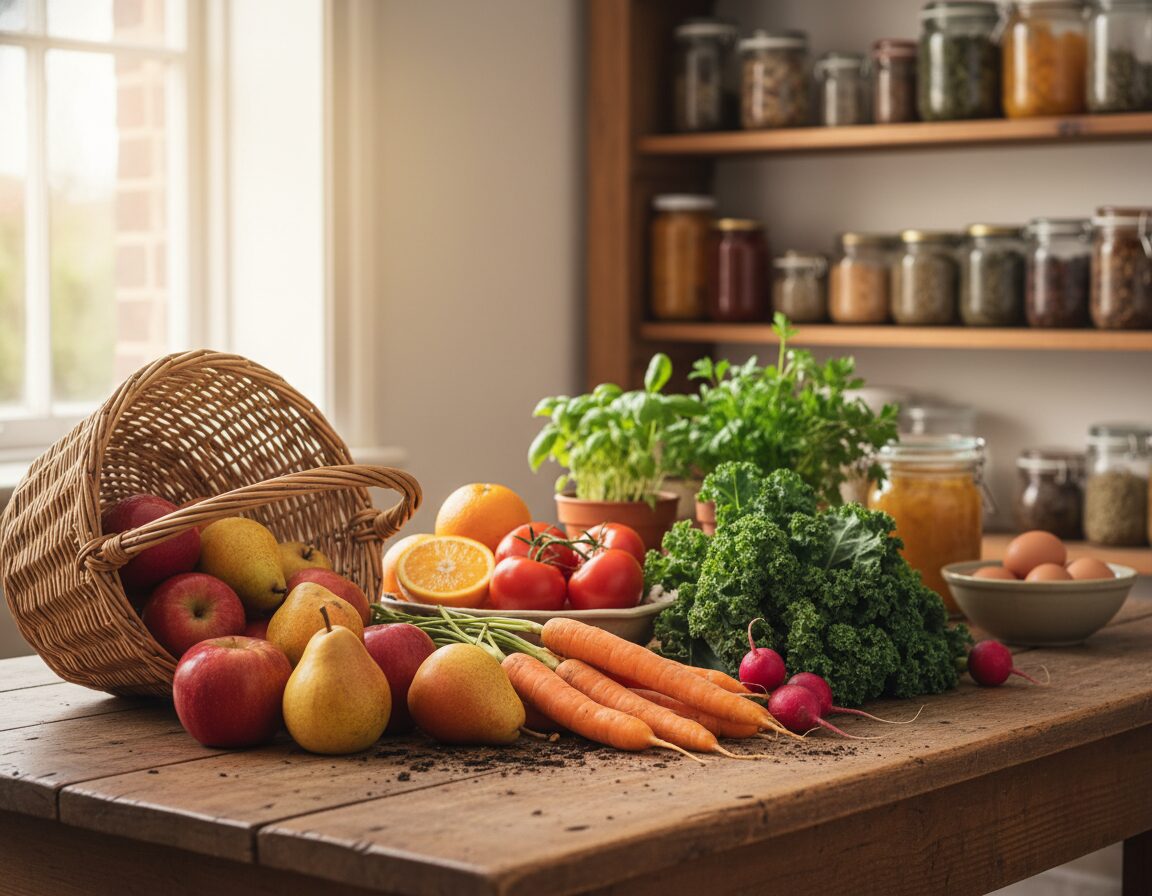
What I look for at farm shops, markets and supermarkets (and what I ignore)
I use each outlet for a purpose. Farm shops show what’s just come in. Markets give bulk bargains on beans, potatoes and carrots. Supermarkets are for staples like onions and garlic when I’m topping up.
- Signs of true abundance: large displays, better price, and stronger smell/texture.
- Ignore: out-of-season specials that look perfect but taste flat, and shiny veg priced as a luxury.
When “British-grown” matters more than a perfect-looking veg
I choose British-grown for short windows — asparagus or purple sprouting broccoli — and anything that loses flavour fast after picking. For apples, pears and salad leaves I’ll favour local produce if it’s available and reasonably priced.
How I buy abundance and plan leftovers on purpose
When a glut appears I buy with a plan: eat fresh, cook for tomorrow, or freeze. A bag of apples becomes snacks, a crumble or slices for the freezer. A pile of beans gets blanched and frozen.
| Buy cheap | Use now | Next day |
|---|---|---|
| Beans, potatoes, carrots | Quick pan or roast | Leftover salad or mash |
| Leeks, tomatoes, broccoli | Soup or stir-in | Added to stews or pasta |
| Apples, pears | Fresh or baked | Compote or freeze |
My simple rule for avoiding waste: two dinners + one lunch. Cook one larger dinner that makes a hearty second meal. Turn the next dinner into a lunch by changing the form — roast potatoes become salad potatoes, spare leeks go into soup, tired lettuce is a quick wilted side.
When money’s tight I prioritise flavour and versatility. I still keep onions and garlic on hand — they make modest veg feel like a meal and cut down on takeaways. If you want quick midweek ideas, I use this approach alongside some reliable recipes from my weeknight collection — try a few quick weeknight dinners.
How I store seasonal veg so it stays crisp, sweet and usable
Good storage turns a great buy into several good meals — that’s been my simple test. I follow a few quick rules that save flavour and cut waste. They work in a normal UK kitchen and don’t take much time.
Leafy things
I keep spinach, lettuce, salad leaves and spring onions cold and dry. A loose bag with a folded kitchen paper absorbs extra moisture. Trim roots on spring onions and stand them in a jar of water if you need them to last.
Roots and tubers
Potatoes and new potatoes live in a cool, dark, airy spot — not the fridge. Carrots, beetroot and parsnips do well wrapped in damp paper in the veg drawer. When they soften I cook them straight away — mash, roast or soup.
Brassicas
Keep sprouting broccoli, purple sprouting broccoli, Brussels sprouts, cabbage and cauliflower loose in the fridge. Use the most delicate broccoli first. Stronger heads last a bit longer in a perforated bag.
Summer veg and runner beans
Tomatoes stay at room temperature for best flavour; chill courgettes, peppers and runner beans only if you need to stretch their life. To stop runner beans going rubbery, trim and blanch if you can’t eat them in a day or two.
- Quick rules: cold + dry for leaves; dark + airy for potatoes; damp paper for roots; room temp for tomatoes.
- First to use: leafy salad, sprouting broccoli, runner beans, then hardy roots and potatoes.
| Type | Store | Use first |
|---|---|---|
| Leafy (spinach, lettuce) | Bag + kitchen paper, fridge | 2–3 days |
| Roots (carrots, beetroot, parsnips) | Damp paper, veg drawer | 3–7 days |
| Potatoes / new potatoes | Cool, dark, airy cupboard | 1–3 weeks |
| Brassicas (broccoli, cauliflower) | Fridge, perforated bag | 3–5 days |
| Summer (tomatoes, courgettes, peppers, runner beans) | Tomatoes room temp; others chilled short-term | 1–4 days |
My go-to prep habits that make seasonal cooking feel easy
I keep a short prep routine that turns a pile of veg into grab‑and‑go components. It takes one hour at most and pays back hours of time through the week.
Batch‑washing and drying salad and lettuce
I wash leaves in a big bowl, rinse twice and spin dry well. Then I line a loose bag with kitchen paper and portion salad for two days.
Tip: dry thoroughly — damp leaves rot fast. Having salad ready means I actually eat it for lunch.
Quick prep for beans, peas and mangetout
I top‑and‑tail runner beans and french beans in a single swipe. For broad beans I tip them from pod to pan when I’m in the mood; otherwise I blanch and freeze them shelled.
For peas and mangetout the kettle method works: salted boiling water, 2–3 minutes, drain and refresh under cold water. It stops overcooking and keeps colour and bite.
Roasting‑tin prep for carrots, leeks, squash and potatoes
I chop carrots, leeks, squash and potatoes to similar sizes, oil and season on one tray. I rotate flavour add‑ons — mustard, rosemary or chilli flakes — then roast 30–40 minutes.
Reason: one tray gives dinner and deliberate leftovers. Roast veg becomes soup, a grain bowl or a frittata for the next day.
- I prep more in an abundant month so nothing goes to waste.
- Small habits free up time and make produce feel effortless.
Cooking methods that make UK seasonal produce taste its best
I match heat and time to each item so flavour, colour and texture stay lively. This keeps weeknight food honest and satisfying.
Roasting for sweetness
High heat and space on the tray bring out natural sugars in parsnips, carrots and beetroot. Give squash and cauliflower room to caramelise; too crowded and they steam instead.
Tip: toss with oil and salt early, roast at 200–220°C and turn once for even colour.
Steaming and boiling without blandness
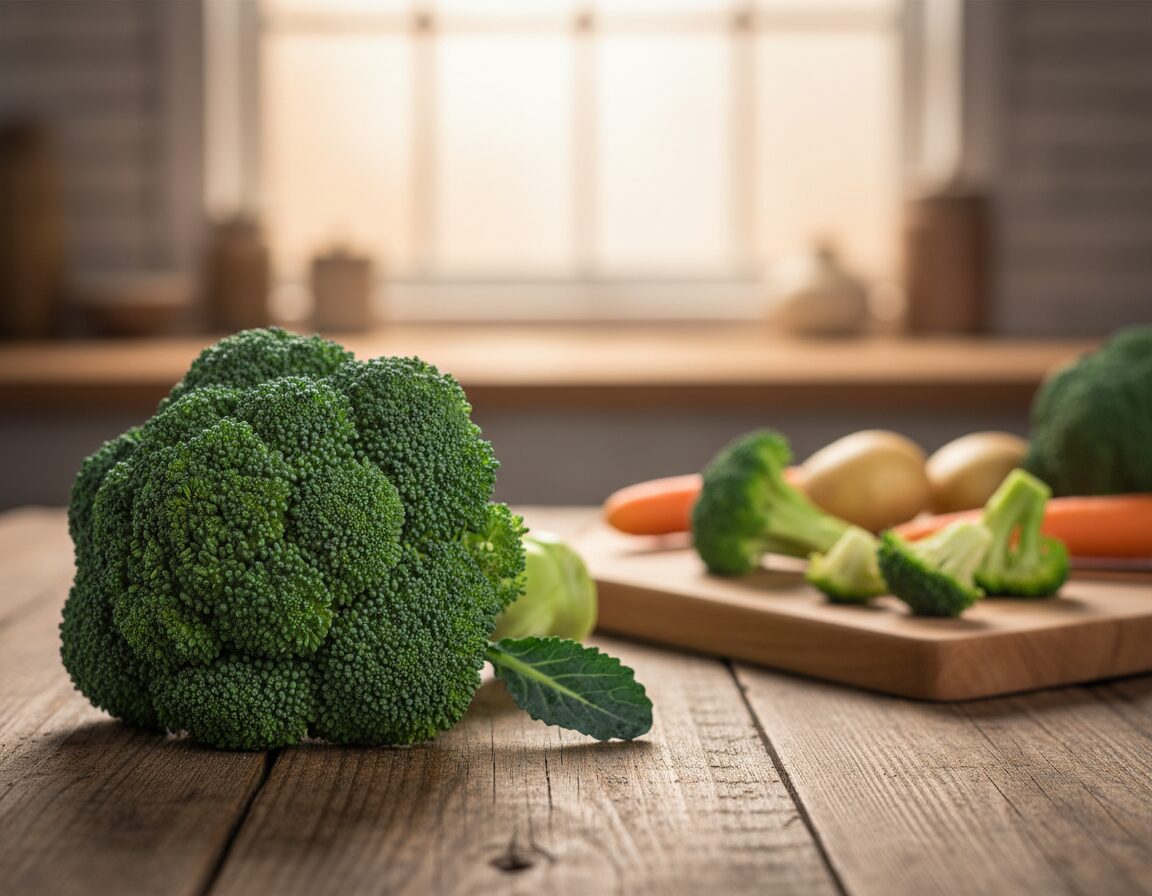
For broccoli, sprouts and new potatoes short cook times are vital. Use salted water and stop when the veg is bright and tender‑crisp.
Finish with a knob of butter or a drizzle of olive oil and something sharp—lemon or mustard—to lift the dish.
Fast pan‑cooking
Courgettes, peppers, spring onions and tomatoes do best in a very hot pan. Don’t overcrowd; cook in batches if needed so they brown and stay firm.
Quickly season and add fresh herbs at the end to keep colour and bite.
Slow cooking for winter
Leeks, swede, celeriac and Jerusalem artichokes gain depth with low heat and time. Braise or stew with stock, thyme and a spoon of mustard for rounded savoury notes.
They reward patience—the texture softens and the flavours knit together.
Raw and lightly dressed
Radishes, lettuce, rocket and watercress are best left crisp. A light vinaigrette, a pinch of salt and a scattering of seeds keep them fresh, not drowned.
Look for bright green leaves, firm radishes and pungent rocket—cook by feel rather than strict minutes.
| Method | Good for | Quick cue |
|---|---|---|
| Roast | Parsnips, carrots, squash, cauliflower | High heat, space on tray |
| Steam/Boil | Broccoli, sprouts, new potatoes | Salted water, short time |
| Pan | Courgettes, peppers, spring onions, tomatoes | Very hot pan, don’t crowd |
| Slow | Leeks, swede, celeriac, Jerusalem artichokes | Low heat, stock, thyme |
What to look for: bright green broccoli, tender‑crisp sprouts, tomatoes that smell of sun. A little attention to heat and time turns good produce into great food.
Season-by-season “what I cook with it” ideas you can adapt
Each season nudges me towards a small set of meals I can tweak with whatever’s in the veg box that week. I aim for flexible dishes that forgive swaps and give useful leftovers.
January–March: comfort and keep-warm plates
I cook leek and potato soup, roast trays of potatoes, carrots and parsnips, and quick kale sides. These are forgiving — if you lack leeks, use onions; if no kale, switch to spinach or cabbage.
April–May: light, green turns
Asparagus shines simply grilled or tossed into pasta. I fold spring onions into omelettes and add spinach at the end of pans. Small salads feel doable again; they’re often my lunch fallback.
June–August: beans, peas and speedy sauces
Runner beans or french beans make a crisp side. Broad beans and peas go into pasta or rice bowls. Courgettes and tomatoes form quick sauces — great for batch freezing.
September–October: fruit and mellow veg
I roast squash then blend for soup, use leeks in gratins and bake apples or pears into simple puddings. A few plums now and then lift a crumble.
November–December: hearty, one-pan meals
Brussels sprouts, potatoes, carrots and cauliflower become roasts, bakes or tray dinners. These dishes make a second-night meal easy — turn roast veg into shepherd’s pie or mash.
Swap tips:
- If you miss one veg, pick another with similar texture — greens for greens, roots for roots.
- Cook larger portions on purpose so leftovers slot into lunches or next-day bowls.
| Season | Typical picks | My go-to meal | Easy swap |
|---|---|---|---|
| Jan–Mar | Leeks, potatoes, carrots, kale | Leek & potato soup; root traybake | Onions for leeks; spinach for kale |
| Apr–May | Asparagus, spring onions, spinach, salads | Grilled asparagus; spring onion omelette | Green beans for asparagus; chives for spring onions |
| Jun–Aug | Runner beans, french beans, broad beans, peas, courgettes, tomatoes | Bean side; pea & broad bean pasta; courgette-tomato sauce | Frozen peas for fresh; aubergine for courgette |
| Sep–Dec | Apples, pears, squash, leeks, brussels sprouts, cauliflower | Roast squash soup; apple crumble; one-pan roast | Pears for apples; sweet potato for squash |
How I handle “short seasons” so I don’t miss the best bits
Short windows of produce make me sharpen my shopping — I don’t want to miss the few good weeks each year.
Asparagus
Buy it fresh: look for firm, straight spears and closed tips. British asparagus lasts roughly six weeks in season, so I treat it as a grab-and-go item.
I cook spears quickly — 2–4 minutes in boiling salted water or a short steam — then a pat of butter, a squeeze of lemon and sea salt. That keeps the flavour bright.
Avoid overcooking or heavy sauces; limp spears and long stews kill the texture and taste.
Purple sprouting broccoli
This sprouting broccoli turns up late winter to early spring and rewards fast work. I blanch or steam for 2–3 minutes in well‑salted water, then finish in a hot pan with olive oil, chilli or butter.
Try it tossed through pasta or piled on toast with a fried egg — it stops feeling like ‘just a side’.
Rhubarb
Rhubarb is tart and friendly to sugar and orange. For compote I use a touch more sugar than you expect and a splash of orange juice to lift it.
In crumbles I pair rhubarb with a sweeter fruit or a spoon of jam to balance sharpness. Store in the fridge for a few days or freeze stewed rhubarb in small portions.
- Buy it, cook it, store it: buy when you see it, cook simply that day or two later, and freeze small portions if you have extra.
| Produce | Quick cook | Store |
|---|---|---|
| Asparagus | Boil/steam 2–4 mins, butter & lemon | Fridge 2 days; trim ends before storing |
| Purple sprouting broccoli | Blanch 2–3 mins; finish hot pan | Fridge 3–4 days; use tender tips first |
| Rhubarb | Stew with sugar & orange | Fridge 2–3 days; freeze compote |
Waste less with seasonal cooking (and still eat really well)
I try to spot the items that are on their way out and turn them into meals before they go off. It keeps waste down and means I still eat food I enjoy.
How I turn scraps into stock, soup and stir‑fries
Mindset: I don’t aim for zero waste. I notice what’s fading and act fast. That saves money and time.
- I save onion skins, carrot ends, leek tops, celery bits and garlic peels for stock.
- I avoid bitter bits — bruised beetroot leaves can spoil a pot.
- Scrap stock freezes in cubes for soups or to add to stews.
My scrap‑soup method: sweat onions and garlic, add chopped potatoes, carrots, leeks or celeriac, throw in broccoli or cauliflower florets, cover with stock, simmer 15–20 minutes and blitz. It makes a meal fast and uses bits that might otherwise go.
My fridge “use‑it‑up” meals
Tired lettuce wilts quickly in a hot pan with a splash of oil, garlic and a squeeze of lemon. Soft tomatoes become a warm sauce for pasta or a tray roast.
Spare beans — runner beans, french beans or frozen peas — are great in stir‑fries with courgettes, peppers and chard. Roast a few potatoes on the same tray and you have a proper dinner.
Preserving in peak summer
When produce floods in, I freeze peas, runner beans and french beans blanched and portioned. I make quick tomato sauce when tomatoes are truly good — cook down with garlic and onions, cool and freeze in tubs.
Quick pickles save odd bits: beetroot stems, spring onions or cucumber in a simple vinegar, sugar and salt brine. No specialist kit needed.
| Save | Turn into | How long |
|---|---|---|
| Onion skins, carrot ends, celery bits | Stock cubes | 3 months frozen |
| Soft tomatoes | Quick sauce | 3 months frozen |
| Peas, runner beans, french beans | Blanched & frozen portions | 6–9 months frozen |
| Apples, pears, plums, raspberries | Compote or flat‑frozen fruit | 6 months frozen |
Conclusion
A tiny shift in habit makes peak produce the star of dinner without extra fuss. I follow a quick check each week, buy what looks best, store it simply and match the method to the veg.
Flexibility is the point: swaps happen and that is fine — treat this as a guide, not a rule. Lean into short seasons like asparagus and purple sprouting broccoli when they appear; they reward you with real flavour.
Try this small step: pick three in‑season items this week. Plan one roast, one fast pan meal and one salad or lightly dressed plate. I find it cuts waste and makes dinners taste better — practical, cheap and pleasantly simple.