
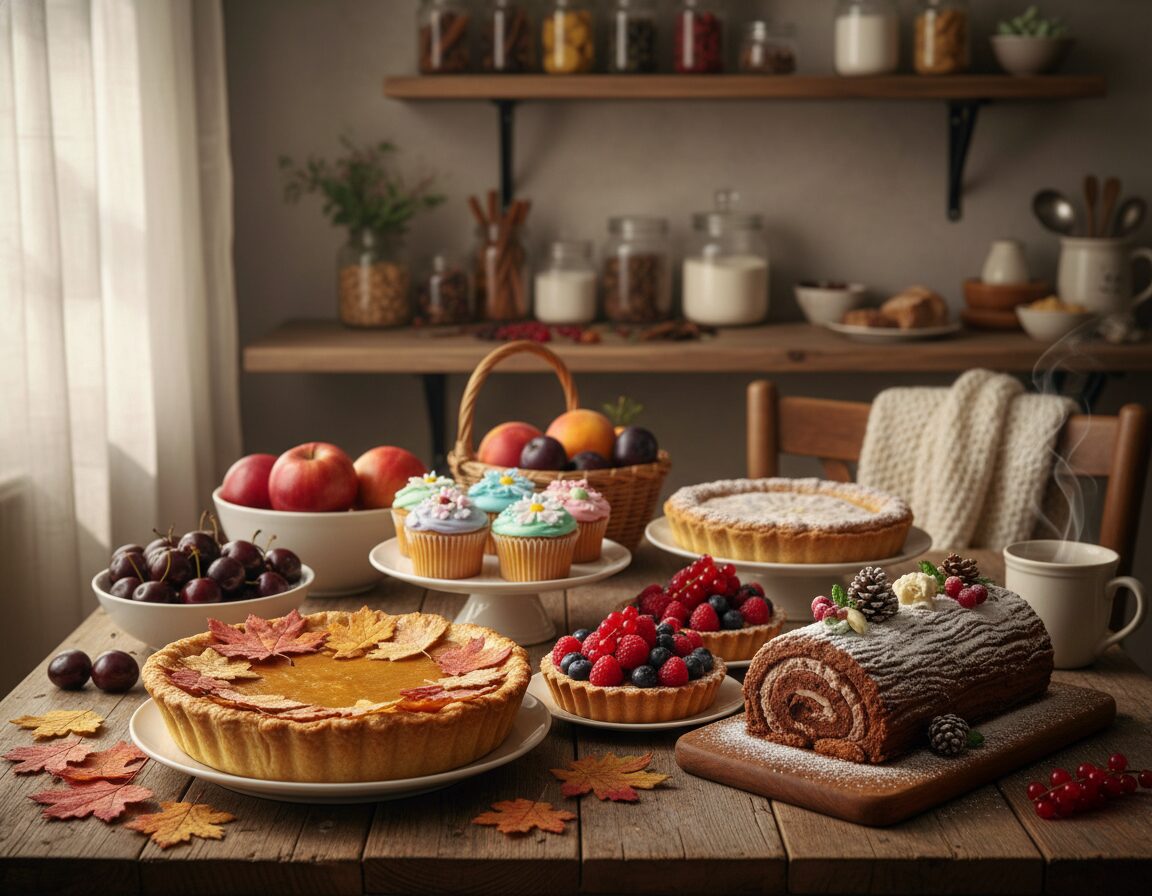
I’ll admit—I pick recipes the way I choose holiday songs: by mood, by weather and by who’s coming for tea. seasonal dessert ideas here means one dependable treat for each month that actually suits UK life—what’s ripe, what’s cosy, and what feels right at teatime.
I’ll set simple expectations: one idea per month, chosen for flavour, ease and pantry-friendly shopping. I favour fruit when it’s at its peak, warming puddings when it’s cold, and lighter finishes when the sun finally hangs around.
I’ll also talk about effort—some months are quick wins, other months I’ll bake with music on and a glass of something nearby. Most months I’ll suggest serving tips—custard, whipped cream or a scoop of ice cream—because toppings often make the whole thing sing.
There’s no need for fancy kit. With sensible shortcuts, a couple of make-ahead steps and a flexible approach (swap fruits, go dairy-free, use the freezer), you’ll get excellent results for family plates and small gatherings.
Key Takeaways
- One reliable treat per month chosen for UK seasons and how we eat through the year.
- Focus on peak fruit, comforting puddings and lighter finishes as the weather shifts.
- Mix quick wins with a few leisurely bakes—match effort to available time.
- Toppings matter: custard, cream or ice cream lift simple recipes.
- No fancy kit needed—timing, smart shortcuts and make-ahead bits do the work.
- Each idea is flexible—swap ingredients, make it dairy-free or use the freezer.
How I pick the right dessert for the season (and why it matters)
I tend to buy with my eyes — fruit that smells fresh and feels firm wins every time. I look for colour, scent and a little give; that tells me about flavour and how the fruit will hold up in a bake.
Choosing fruit at its best in the UK for better flavour and texture
Good fruit needs no fuss: ripe but not mushy, vivid in colour and holding its shape. I avoid bruised or overly soft pieces — they lose texture and need extra sugar to taste bright.
Balancing effort and time: quick wins vs weekend bakes
When I have little time, I pick no-bake cheesecakes or tray puddings. For a weekend bake I’ll make pastry or compote the day before. It saves effort on the serving day and keeps stress down.
My go-to finishes: whipped cream, custard, or vanilla ice cream
My finishes are simple and reliable. Whipped cream for a soft, airy touch. Custard when I want comfort. Vanilla ice cream for contrast with warm puds.
- Rules of thumb: acid cuts richness; a pinch of salt lifts chocolate.
- Time your warm sauce so it won’t soak sponges too early.
| Quick wins | Weekend bakes | Finish |
|---|---|---|
| No-bake cheesecakes | Homemade pastry | Whipped cream |
| Fools and trays | Curds and compotes | Custard or vanilla ice cream |
| Minimal washing up | Layering for texture | Simple, reliable |
My seasonal dessert ideas shopping and prep shortcuts
I trust a few simple tricks to turn busy weekdays into easy teatime wins.
Make-ahead basics save me time and stress. I rest pastry in the fridge so it won’t shrink. I cook a quick fruit compote and cool it—ready to spoon over sponges. I chill bases overnight so slices cut cleanly the next day.
Freezer-friendly wins I use often
No-churn ice cream needs minimal fuss—whip cream, fold in yoghurt and flavour, then freeze. I keep frozen cheesecake slices (chocolate-hazelnut is a favourite) for barbecues. Ice lollies made from fruit purée are brilliant when it’s too hot to bake.
- Buy one standout item—good fruit or decent chocolate—and keep the rest simple.
- Wrap well, label with the day and soften for a few minutes before serving to avoid odd textures.
- Browning butter lifts biscuit bases without extra faff.
| Prep | Freezer | Serve |
|---|---|---|
| Rest pastry | No-churn ice cream | Slices after softening |
| Cook compote | Frozen cheesecake | Cut neat wedges |
| Chill bases | Fruit lollies | Quick, cool treat |
January: Sticky toffee pudding when you want proper comfort
Cold nights push me toward cooking that smells of butter and brown sugar. For me, sticky toffee pudding is the match for January—warm, familiar and unfussy.
How I keep the sponge light and the sauce timed
I watch the bake so the sponge is springy, not dense. I take it out as soon as a skewer comes away with a few crumbs.
I warm the sauce and pour it over each portion just before serving. That way the sauce glosses the sponge without turning it soggy.
Serving my favourite way: contrast or full comfort
My two go-tos are vanilla ice cream for a sharp, cool contrast and hot custard for full-on comfort. Both work with a good toffee flavour.
- Look for a sauce that coats a spoon—not too thin or overly sugary.
- Warm the bowls, cut neat squares and serve straight away.
- Leftovers keep well; reheat gently and add a splash of cream or a small knob of butter to refresh.
| Feature | What I check for | Serve |
|---|---|---|
| Sponge | Springy texture, lightly browned | Cut into squares |
| Sauce | Glossy, thick enough to coat | Poured warm just before serving |
| Finish | Balance of sweet and warm | Vanilla ice cream or custard |
February: Chocolate-forward nights with dark chocolate terrine
A dark chocolate terrine is my go-to for February — a compact, serious slice of comfort that’s easy to prepare ahead. It feels like a treat without ceremony and suits those evenings when fruit choice is limited and cosy wins matter.
Adding sharp fruit to cut through richness
I aim for a terrine that slices clean from the fridge: glossy, rich, and velvety rather than grainy. Small portions work best — the flavour is intense, so a thin slice finishes a meal neatly.
Raspberries or a sharp raspberry purée are my go-to partners. Acid from the fruit lifts the dark chocolate and stops the filling feeling claggy.
- I warm raspberries lightly with a touch of sugar, blitz them, then sieve for a smooth purée when I want it elegant.
- Serve thin slices of terrine with a spoon of purée and, if I’m indulgent, a small dollop of softly whipped cream.
- Make ahead note: the terrine often tastes better after a night in the fridge — the flavours mellow and set perfectly.
| Feature | What I check for | Serving tip |
|---|---|---|
| Texture | Glossy, sliceable, not grainy | Thin slices from chilled terrine |
| Balance | Dark chocolate richness vs fresh acidity | Spoon of raspberry purée |
| Timing | Can be prepared a day ahead | Serve straight from fridge for clean cuts |
March: Citrus lift with a no-bake lemon curd cheesecake
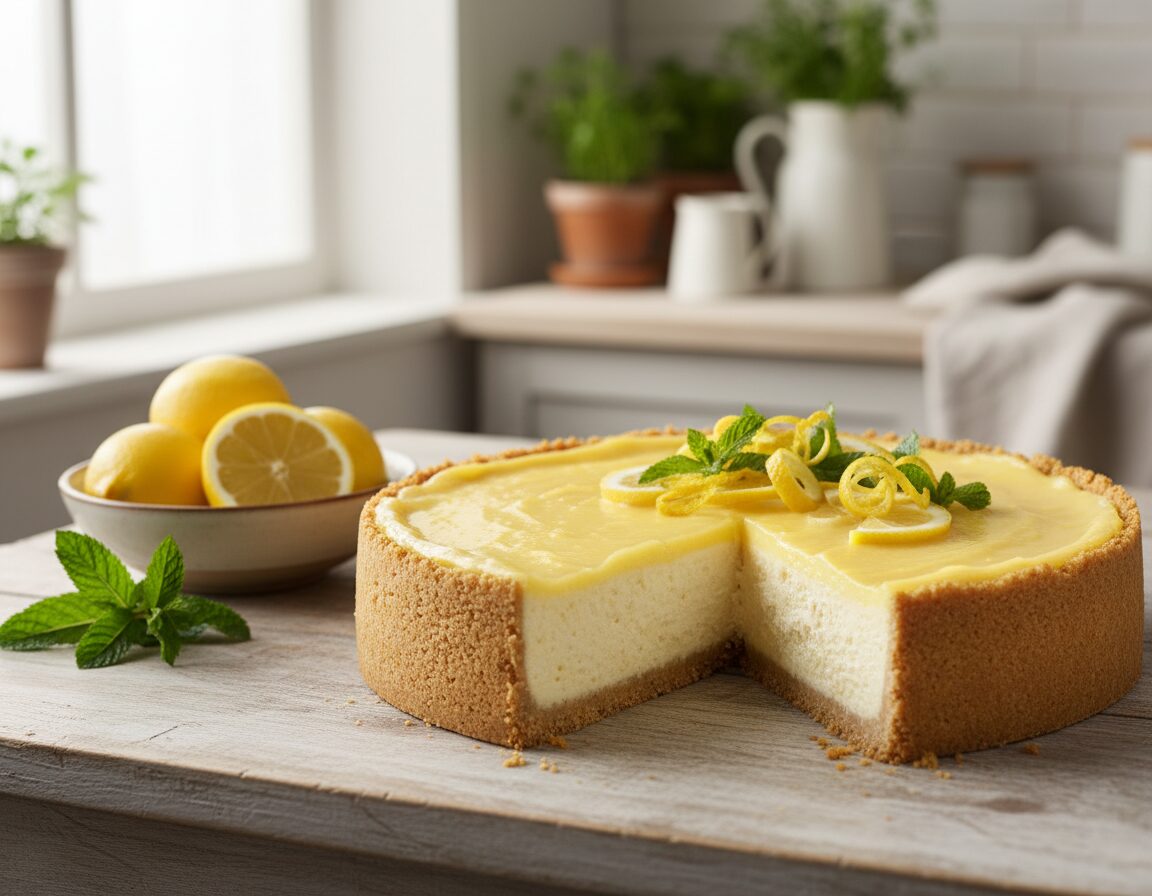
By March I’m craving something bright — a tart hit that feels like the first hint of spring. A no-bake lemon curd cheesecake makes sense: it’s fresh, feeds a crowd and stays comfortably light on the table.
The base I trust: digestive biscuits with browned butter
I brown a knob of butter, let it cool slightly and stir it into crushed digestive biscuits. The toasty note lifts the base and adds depth with almost no extra faff. It holds well for parties and gives a grown-up edge to a simple recipe.
Getting a clean set (without panic)
I chill the base first, then pour on the lemon curd mix and give it plenty of fridge time. Don’t rush the set — if slices wobble, it usually just needs longer chilling, not a rescue mission.
Quick fixes: firm up soft cheesecake by returning it to the fridge for an hour, or slice smaller portions so each piece feels neat and balanced.
Easy toppings: lemon zest, crushed biscuits, or a spoon of cream
My go-to topping choices are simple. A scatter of lemon zest and a handful of crushed biscuits add zing and crunch. If I’m feeling indulgent, a small spoon of softly whipped cream finishes it nicely.
- Feeds a crowd: cut smaller slices — flavour is intense, so light portions work best.
- Do ahead: make the base and curd a day earlier to save time on the day.
- Keep it clean: chill fully before slicing for tidy wedges.
| Component | What I do | Why it helps |
|---|---|---|
| Base | Digestive biscuits + browned butter | Toasty flavour and firm texture |
| Filling | No-bake lemon curd mix | Bright, fresh flavour that stays light |
| Serve | Chill fully; small slices; simple topping | Clean wedges for a crowd and fuss-free service |
April: Rhubarb trifle for that sweet-sharp spring hit
April always feels like the month for something tart and unapologetically pink. Rhubarb cuts through winter richness and makes a trifle feel fresh again.
Cheat’s trifle approach when time is tight
I often use ready meringues and shop-bought custard to save fuss. It means I can still stew my own rhubarb — so the trifle keeps my stamp without heavy prep.
Layering for the best texture (so nothing goes soggy)
I cool the stewed rhubarb completely before adding it. That stops warm juice from soaking the sponge.
I layer like this: sponge, a thick fruit compote, then custard, then cream. I keep crunchy bits—like crumbled meringue—until just before serving if I want them crisp.
- Why rhubarb? It’s sharp, pink and bright after heavier flavours.
- Sponge tip: don’t drown it; use compact pieces and less syrup.
- Make-ahead: assemble the day before for stress-free hosting; add final meringue crumble on the day.
| Prep | Tip | Serve |
|---|---|---|
| Stew rhubarb gently | Cool fruit fully to protect texture | Big spoonfuls with extra rhubarb |
| Use ready custard | Add crunchy meringue last | Scatter meringue for contrast |
| Assemble ahead | Keep wet and dry layers separate | Finish on the day for best bite |
May: Gooseberry fool with elderflower for sunny-but-not-hot days
I reach for a gooseberry fool in May because it’s quick, bright and forgiving when the weather is uncertain. It works for bank holiday days and small gatherings without much fuss.
Taming the tartness without drowning it in sugar
I cook gooseberries until they soften, then taste as I go. If they are very sharp I add a spoon of sugar, but I more often stir in a splash of elderflower cordial. That brings a gentle sweetness and floral lift without over-sugaring the fruit.
My favourite finish: softly whipped cream and crunchy biscuits
I fold the cooled fruit through softly whipped cream, leaving a few tangy bits for texture. The result is still fresh and lively — sharp enough to wake the palate, not so sour it makes faces.
- Quick tip: cook the fruit earlier in the day and chill.
- Serve: spoon into glasses and top with crushed buttery biscuits for a pleasing snap.
| What | Why | Serve |
|---|---|---|
| Gooseberries | Bright tartness | Cooked, cooled |
| Elderflower | Floral sweetness | Splash while cooling |
| Cream | Softens acidity | Folded gently |
June: Eton mess that actually tastes like British summer
Once June arrives I stop buying airless winter berries and wait for proper British strawberries. They have a scent and colour that turns a simple bowl into the perfect summer treat.
Strawberries at their best: what I look for before I buy
I favour punnets that smell sweet and show deep red colour. The berries should be plump, not pale or watery. A firm stalk and a glossy sheen tell me they were picked recently.
Getting the balance right: meringue crunch, cream, and strawberry sauce
Keep the meringue crunchy and the cream softly whipped — not rock hard. Make a quick sauce from half the fruit and a spoon of sugar so the mix tastes fruity, not just sweet. Assemble at the last minute or keep components separate to avoid a soggy mess.
Easy twists: white chocolate bark, elderflower cream, or a vegan version
I sometimes add torn white chocolate bark for texture, fold a splash of elderflower into the cream, or use aquafaba meringues with coconut yoghurt for vegans. Big bowls work best outdoors, and I always set a spare spoon of sauce by the side for anyone who wants extra topping.
| Component | What I check | Serving tip |
|---|---|---|
| Strawberries | Strong smell, deep red, plump | Use half for sauce, half for folding |
| Meringue | Crunchy, not soft | Break just before serving |
| Cream | Softly whipped | Fold gently to keep air |
July: Summer pudding piled with berries and plenty of whipped cream
There’s something about July berries that makes a simple pudding feel like a proper celebration. I find this summer pudding is easier than it looks and gentle on the nerves. It showcases ripe fruit and serves a crowd without faffing.
Best berries to use
I stick to a mix for balance. Strawberries bring sweetness. Raspberries add a bright, sharp note. Blackberries lend dark depth. Blueberries give little juicy pops.
Bread choice and soak time to avoid stodginess
I use a soft white loaf that soaks evenly. I trim the crusts for a neat finish. Soak just until the bread is stained and pliable — usually 20–30 minutes — then chill. Too long and the pudding can turn dense; chilling firms it up without going gummy.
Serving for a party
I cut thick wedges and spoon extra fruit on top. Plates chilled in the fridge help keep the pudding tidy in warm weather. A dollop of softly whipped cream is all I add — not overly sweet, because the fruit is already full of flavour.
- Quick tip: keep elements separate if you need to transport — assemble on site for the best look.
- Make ahead: the pudding benefits from a few hours in the fridge; flavours meld and it slices cleanly.
| Component | What I use | Reason |
|---|---|---|
| Berries | Strawberries, raspberries, blackberries, blueberries | Balance of sweet, sharp, deep and juicy |
| Bread | Soft sliced loaf, crusts trimmed | Soaks evenly without turning heavy |
| Serve | Thick wedges, chilled plates, whipped cream | Neat slices and cool finish for a summer meal |
If you want lighter no‑bake summer treats, I also like these quick alternatives: no‑bake summer desserts.
August: Strawberry tart with crème pâtissière for a centrepiece dessert
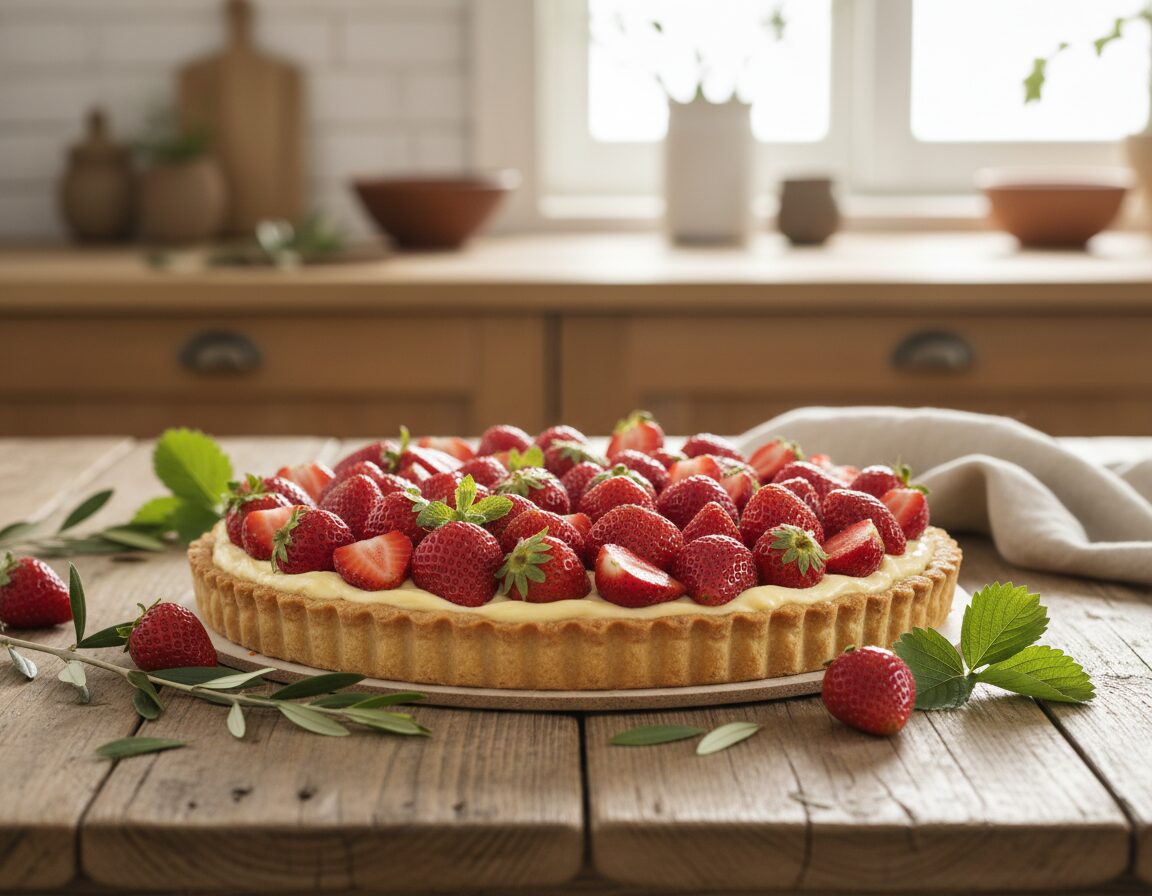
August is the month I bother with a proper tart because the strawberries still sing and a centrepiece feels worth the fuss.
I use a homemade pastry case—chilled, blind-baked and sealed lightly so the filling won’t make it soggy. That lesson came from too many soft bottoms; chill the dough, dock it, and bake the case until it’s dry and pale gold.
Pastry tips I’ve learned the hard way
Chill everything—dough, tray and tin. Blind-bake with baking beans and lift the heat slightly at the end for colour. Brush the base with a thin jam glaze or melted chocolate to seal it if the filling is wet.
Crème pâtissière shortcuts vs making it properly
I make pastry cream properly when texture matters: slow whisking, full cooking and straining. For a quick party recipe I’ll use a high-quality ready custard folded with whipped cream for speed. The shortcut is fine for a casual day; the real thing is worth it for a showstopper.
Transporting it to a picnic or barbecue without stress
Keep the tart flat and chilled in a box. Pack a small ice pack beneath the base and bring a knife plus a tub of extra berries to refresh the top on arrival. If the trip is long, assemble the strawberries on site and carry the case and filling separately.
- Pie-style alternative: put the same filling into a lined dish and skip the glazed top for an easier, rustic finish.
- Make-ahead: bake the case and cook the cream the day before; fill and top on the day.
| Component | Best approach | Why it helps |
|---|---|---|
| Pastry case | Chill, blind-bake, seal base | Prevents soggy bottom and keeps shape |
| Crème pâtissière | Cook properly or use custard shortcut | Texture control vs time saving |
| Transport | Flat box, chilled, assemble berries later | Keeps tart tidy for picnic or party |
September: Peach streusel cheesecake when late summer fruit is still good
I want something that nods to summer but feels a touch heartier. September still gives me peaches worth celebrating, so I bake a reliable, baked cheesecake and top it with sweet fruit and a crisp streusel.
Why peaches and a crisp topping work so well together
The contrast is the point: soft, juicy peaches against creamy cheesecake and crunchy crumble. Each bite has a clean, bright hit from the fruit and a toasty finish from the topping.
Serving options I actually use
I serve chilled slices when I want neat wedges for guests. On cooler evenings I spoon warm roasted peaches over the top. If I want proper indulgence, I add a scoop of vanilla ice cream and a tiny scatter of extra streusel.
- If peaches feel bland, I roast them briefly with a squeeze of lemon to concentrate flavour rather than adding lots of sugar.
- Keep the streusel crisp by adding it near the end of the bake and letting it cool fully before covering.
- Serve smaller slices—cheesecake is rich, and smaller portions feel just right for a family table.
| Component | What I do | Why it helps |
|---|---|---|
| Peach | Use ripe fruit or roast briefly | Boosts sweetness and texture without excess sugar |
| Cheesecake | Baked until set but still slightly wobbly | Silky creaminess that holds toppings |
| Streusel topping | Add at end; cool before wrapping | Keeps crunch; avoids soggy topping |
| Serve | Chilled slices, warm fruit, or with vanilla ice | Flexible for weather and appetite |
October: Plum and spice baked custard for cosy evenings
There’s a particular calm to October baking—low heat, gentle spice and a baked custard that sets while you get on with tea.
I turn to these soft puddings when evenings feel properly chilly. Fruit like plums brings bright juices that cut through the cream. I sweeten just enough with a touch of sugar so the spices and fruit do the rest.
Warm spices I reach for: ginger, cinnamon, and cardamom
I use ginger for warmth, cinnamon for comfort and a pinch of cardamom for a floral lift. I add ginger twice in small amounts rather than one large hit—this keeps the balance and lets the fruit sing.
Make-ahead approach: fridge overnight for an even better set
For clean slices and the best texture, I bake low and steady and take the custard out while it still has a slight wobble. Let it chill overnight in the fridge and it firms up into a light, spoonable pud the next day.
- Serve warm: spooned with stewed plums and their juices.
- Serve cold: cut neat slices the following day for a calmer finish.
| Step | What I do | Why it helps |
|---|---|---|
| Spice | Gently measure ginger, cinnamon, cardamom | Balanced warmth without one spice overwhelming |
| Bake | Low oven, pull on slight wobble | Creates creamy texture and avoids curdling |
| Finish | Chill overnight; serve warm or cold | Cleaner set, better slices and easy service |
November: Bonfire Night-style pud cake served hot with custard
I like a cake that’s more hug than show — warm, sticky and served straight from the dish. November asks for something that feels cosy and takes minimal fuss. A one‑pan pud/cake hybrid fits that bill: it bakes in the same dish you present, so you can keep talking instead of transferring hot slices.
Keeping it simple: one-pan baking and straight-to-table serving
One pan saves time and washing up. I use a deep ovenproof dish so the sponge bakes into a comforting, slightly jammy top. That finish makes the whole meal feel homely — no fiddly plating needed.
My topping picks: cream, custard, or a quick toffee drizzle
I choose a topping to match the mood. A spoon of softly whipped cream gives a light, cooling contrast. Warm custard is classic — proper comfort for Bonfire Night. If I want something richer, I pour a quick toffee drizzle over warm cake for extra indulgence.
- I time the bake so it comes out as the main plates are cleared — ten minutes resting is fine.
- This is ideal when guests are staying late and I want to be present, not plated up.
- For leftovers: reheat gently in a low oven with a splash of milk to stop it drying out, then add fresh cream or custard.
| Why it works | What I do | Serve with |
|---|---|---|
| Minimal fuss | Bake in one ovenproof dish | Pour straight to table |
| Warm finish | Time bake to end of meal | Custard or cream |
| Extra richness | Make a quick toffee drizzle | Serve warm for best texture |
December: Showstopping Christmas desserts without running myself ragged
My rule for December: impressive plates only if most of the work is done ahead. I pick one or two showy recipes and make sure most prep can be ticking away before the big day.
Mince pie tart as a centrepiece
I favour a mince pie tart when I want slices, not fiddly pies. It looks generous on the table, slices neatly and lets me make the filling ahead.
Yule log upgrades
For a log I add white chocolate snowflakes and a hint of malted chocolate for depth. The cake can be rolled and chilled a day early; decorations are quick on the day.
Chestnut profiteroles
These feel wow-worthy but are kinder on time than they look. I make choux and chestnut cream early. I fill most shells ahead and add a final dollop of cream before serving.
Make-ahead trifle plan
I assemble sponges, compote and custard the day before and keep cream separate. On the day I add whipped cream and a few fresh berries so it still feels light.
- Fridge space: check before you start.
- Transport: carry flat and chilled.
- Back-up: extra custard or cream on hand for last-minute topping.
| Option | Prep timing | Serve tip |
|---|---|---|
| Mince pie tart | Make filling ahead; bake same day | Slice warm or room temperature |
| Yule log | Bake and roll a day ahead | Add decorations before serving |
| Chestnut profiteroles | Choux and cream prepped earlier | Fill most shells; finish with cream last |
Bottom line: pick one centrepiece, prep as much as possible, and let the family enjoy the day — not your stress levels.
Conclusion
What I try to do is keep flavour front and centre while shrinking the fuss that often comes with baking.
I pick the right fruit, match the recipe to the weather, and lean on a few reliable finishes — a scoop of ice cream, a spoon of cream or a quick custard — to make any bake feel complete.
Practical next step: choose the month ahead, save a short ingredients list and plan one make‑ahead element so you have time for life as well as cake or pudding.
Swap fruits and flavours based on what looks best at the market, and don’t forget freezer options when time is tight. If a bake isn’t perfect, it will still taste good — these treats are forgiving by design.
The aim: simple recipes that suit each season, feel like a proper treat and fit into real family life.