
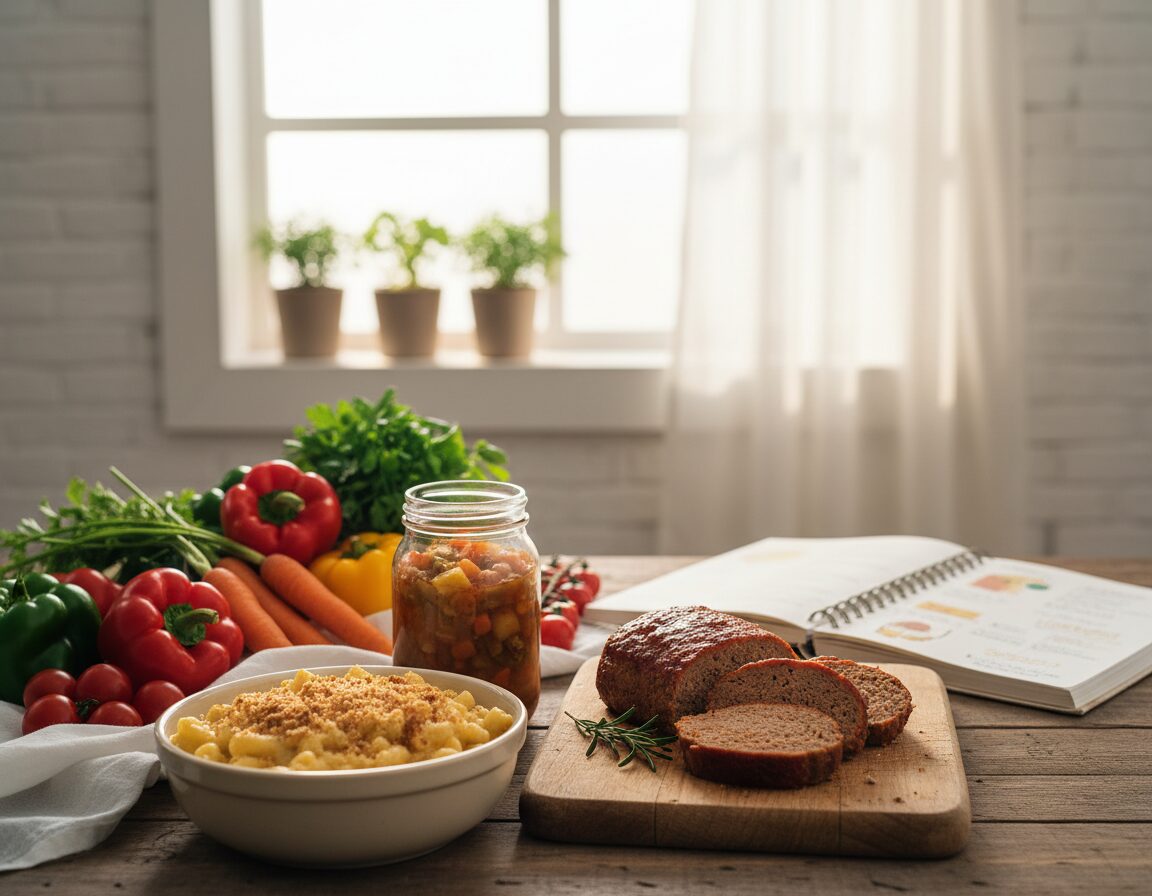
I love how comfort food meal prep turns a busy week into a calm, tasty rhythm — one evening of cooking saves me several evenings of faff. I’ll show what works in my kitchen: a few adaptable mains, simple sides, and a freezer back-up so I don’t end up ordering a takeaway.
I pick dishes that reheat well — lasagne, tuna pasta bake, cottage pie and a slow cooker curry often star. I then balance them with veg, beans and sensible portions so I feel alright afterwards.
What I prioritise: satisfying texture, honest flavour and recipes that stretch a bit without going sad in the fridge. I’ll also flag realistic limits — time, budget, freezer space — and how I work around them with reliable shortcuts.
Key Takeaways
- I plan a few flexible mains and a couple of sides to keep variety.
- I use a freezer back-up to avoid last-minute takeaway splurges.
- I focus on texture, flavour and dishes that reheat well.
- I build in veg and beans for balance without trying to diet.
- I accept constraints and use simple shortcuts that save time and money.
What I mean by “comfort food” when I’m meal prepping
I picture a dish that hugs you back — warm, reliable and straightforward to reheat across a busy week. By that I mean dinners that are filling but not leaden the next day. They should leave you content, not sluggish.
My balanced checklist is simple: some protein, a starchy base and at least one good portion of veg. I often fold the veg into the main so nothing feels tacked on.
Warm, filling dinners that still feel balanced
I prefer dishes that work for family suppers and lone lunches. For a crowd I add heartier sides. For a busy week I lighten portions and save extra sauce separately.
The textures I aim for
Texture matters. I want creamy sauce, a crispy topping now and then, and stew-y bowls that stay satisfying when reheated. A deliberate sauce keeps things from drying by day two or three.
- Ingredient patterns I repeat: tomatoes, beans, potatoes and cheese — simple staples that make shopping easier.
- I tweak the same dish for family dinners or solo portions so nothing feels wasted.
How I plan a week of comfort meals without getting bored
I map out a varied week so meals feel fresh, not like reheated sameness. My plan balances two big-batch dinners, a soup, a flexible mince or bean base and one genuinely fast night.
Why it works: the variety keeps things interesting and makes shopping simple. I rotate formats — pasta one night, curry another, then soup or pie — so I never hit that midweek slump.
Choosing formats that rotate well
I pick from four reliable families: pasta bakes (lasagne, tuna pasta bake), pies (cottage or fish pie), curries (chicken korma, spinach-chickpea-potato) and soups (butternut squash, smoked haddock chowder).
Fast night and slow-cooker night
I always slot a slow-cooker night on my busiest day — dinner’s basically ready when I walk in. I also keep one fast option that takes 15–20 minutes so I don’t reach for takeaway.
Use sides to change the same main
One sharp salad dressing and one tray of roasted veg makes a saucy main feel new. I keep a jarred sauce or extra gravy to revive day-two pasta or pie.
- I avoid cooking seven portions of the same recipe by splitting portions between fridge and freezer.
- If a recipe is a weekend project, I freeze portions rather than forcing it into a busy weekday.
| Format | Typical cook time | Best use | Freeze well? |
|---|---|---|---|
| Pasta bake | 30–60 minutes | Family dinners, day-two lunches | Yes |
| Curry | 20–90 minutes | Slow-cooker day or weekend batch | Yes |
| Soup | 25–60 minutes | Light dinners and freezer lunches | Yes |
| Pie | 45–90 minutes | Comforting weekend project | Yes |
My comfort food meal prep shopping list strategy
I shop in simple modules — a tin of tomatoes, a tin of beans and a carb (rice, noodles or potatoes) gives me chilli, curry, soup or a bake without fuss.
Core cupboard repeats: passata or tinned tomato, tinned beans and chickpeas, stock cubes, dried pasta and rice, basic spices. Each one pulls double duty across dishes and keeps the weekly bill sensible.
Proteins I trust for batch cooking
I buy chicken thighs, beef mince, sausages and pork bits. They brown well, stay tender after reheating and suit stews, bakes or one-pot dinners.
Veg that lasts
Mushrooms, peppers, leeks and spinach are my go-to. I often buy frozen spinach to avoid waste.
Cosy upgrades and budget rules
I keep cheddar, mozzarella and a hard Italian cheese, plus a jarred sauce or two. They make cheap staples feel like proper dinners.
Shopping rule: pick 2–3 mains that share ingredients so you don’t buy a new spice for every dish. I avoid fragile salad leaves and artisan bread unless I know when I’ll use them.
| Item | Why I buy it | Meals it covers | Budget tip |
|---|---|---|---|
| Passata / tinned tomato | Base for sauces and stews | Chilli, curry, pasta bake, soup | Buy own-brand for value |
| Tinned beans / chickpeas | Protein and texture | Stew, chilli, curries, salads | Bulk tins on offer |
| Rice / dried pasta / potatoes | Carb that stretches dishes | Curries, bakes, jacket potatoes | Buy larger bags for savings |
| Cheddar / mozzarella / canned sauce | Quick upgrade to make dinners feel special | Bakes, gratins, pasta, topping stews | Portion a block to keep costs down |
Batch-cooking methods I actually rely on
I stick to a handful of batch methods because they save thinking and actually make dinners taste better by day two. I repeat a few recipes so shopping is simple and results are consistent.
One-pot comfort: chilli, stew and bean soup
Why they work: these dishes improve overnight. Flavours deepen and they reheat without drying out. I favour chilli, a slow beef stew and a chunky bean soup for busy weeks.
Oven trays for hands-off wins (and fewer pans)
Roast veg trays, baked chicken and tray bakes free up time. I pop trays in while I wash up and portion containers. It’s an easy make method that looks like effort but isn’t.
Slow cooker meals for busy days
Set it in the morning and forget it. I use slow-cooker chicken or beef bourguignon for reliably tender results. For a richer sauce I whisk a little flour into stock early as a slurry — no watery ending.
One-pan pasta when I need dinner in minutes
Cook pasta in just enough water so the starch makes a silky sauce. It takes minutes and needs one pan. I avoid batch-cooking delicate fried things by hand — they never stay crisp.
- My rule: stick to repeatable methods — less thinking, fewer pans, better leftovers.
- For more ideas, I often consult a shortlist of tried-and-true one-pot recipes.
Portioning so lunches don’t turn soggy by day three
A simple split between wet and dry makes the biggest difference to day-three texture. I pack components separately and only combine them when I eat.
Keeping pasta, sauce and salad apart
I often portion pasta drained and lightly oiled, then add the sauce in a small tub. That way the pasta reheats without going claggy.
For salad, I leave leaves in a separate pot and pack dressing in a tiny jar. A sharp dressing keeps leaves lively and takes 30 seconds to shake on.
Choosing the right containers
- Leakproof tubs: ideal for curries, chilli and anything saucy.
- Shallow trays: good for bakes so they reheat evenly.
- Glass tubs: great for bowl-style portions like chilli + rice.
| Container | Best for | Why I use it |
|---|---|---|
| Leakproof tub | Curries, stews | Stops spills; holds sauce |
| Shallow container | Pasta bakes | Even reheating, crisp topping |
| Glass jar | Salad dressing | Easy to shake and seal |
Cool food fully before sealing to avoid steam and extra condensation. Eat seafood or delicate veg early in the week and save stews for later days. For a proper bowl-style lunch, I keep rice and chilli separate until serving so the rice isn’t mushy by day three.
Freezer-first comfort meals I love having on standby
Having trusty frozen trays means I can swap plans without wasting food or time. I aim for things that defrost predictably and still feel like a proper dinner.
Why I plan freezer-first: it cuts stress and saves leftovers from the bin. I cook with freezing in mind so reheating is straightforward.
- Family pies that freeze beautifully: fish pie, cottage pie and meat & potato pie. Cool fully, wrap tightly and label the top.
- Pasta bakes: lasagne, tuna pasta bake and spinach & ricotta cannelloni freeze well. I undercook slightly and add extra sauce to stop them drying out.
- Curries and chilli: saucy, forgiving and reliable. Chicken-and-chickpea curry is a top recipe; chilli is another winner for easy thaw-and-heat suppers.
Portioning and labels: I make single lunches and a couple of family trays. My labelling reads: date + dish + reheating note. A real winner defrosts evenly and tastes like dinner, not leftovers.
My go-to chicken comfort prep for the week
Chicken is my default protein because it’s neutral, forgiving and easy to stretch across dishes. I use one batch in different formats so nothing feels repetitive.
Slow-cooker chicken korma for tender meat and rich sauce
I make a mild, creamy korma in the slow cooker so the chicken turns meltingly soft and the sauce stays stable when reheated. Low and slow for 6–8 hours gives depth without extra fuss.
Tip: stir in a splash of yoghurt off-heat rather than cream to stop splitting the next day. This recipe improves overnight.
Parmigiana-style chicken bake with tomato and melted cheese
For a quick bake I top cooked chicken with a jarred tomato sauce and a generous scatter of cheese and breadcrumbs. Finish under a hot grill so the top bubbles and crisps.
Serve with rice or a sharp green salad to cut through the richness.
Chicken and leek pie using ready-made puff pastry when time’s tight
I lean on ready-made pastry to save time. Mix shredded chicken with sautéed leeks and a little stock, spoon into a tray and seal with pastry. It looks like effort but takes no hours.
Portioning: keep extra sauce in a small tub so portions don’t dry out. Jacket potatoes, rice or a quick salad finish each dish properly.
| Dish | Key shortcut | Best serve with |
|---|---|---|
| Slow-cooker korma | Low-fat yoghurt added off-heat | Rice, naan |
| Parmigiana-style bake | Jarred tomato sauce, grill finish | Green salad, roasted veg |
| Chicken & leek pie | Ready-made puff pastry | Jacket potato, peas |
Beef, pork and sausage batches that feel like proper dinners
I treat beef, pork and sausage dishes as the anchors of my weekly cooking — robust flavours, simple steps. They must reheat well and work in different formats so I don’t tire of one texture.
Chilli-style mince that lives many lives
I make a chilli con carne-style base and season it well. I brown the meat, cook onions until sweet and add tomatoes and spices — simple.
- Serve: over rice, on a jacket potato or as a nacho bowl.
- Repurpose: fold into tacos, use as a pie filling or stir into soup for richness.
Sausage stew with baked beans — one-pot heartiness
My shortcut is good sausages sliced into a tin of baked beans with onions and a splash of Worcestershire. It’s a proper one-pot that tastes even better the next day.
Stroganoff vibes and weekend slow-cooks
For stroganoff-style dishes I sauté mushrooms and brown the meat, then finish with a splash of crème fraîche off the heat so the sauce stays smooth. Serve over noodles.
At the weekend I’ll slow-cook a beef bourguignon or steak-and-ale-style braise. Browning meat and caramelising veg first makes a big flavour difference.
| Dish | Best for | Quick shortcut |
|---|---|---|
| Chilli-style mince | Rice, jacket potato | Under-cook pasta or add extra sauce for day two |
| Sausage stew & baked beans | One-pot family dinner | Use tinned beans and sliced sausages |
| Stroganoff-style beef | Noodles, creamy plates | Add crème fraîche off-heat to keep sauce stable |
Portioning tip: pair richer meat dishes with greens, a sharp salad or roasted veg. It keeps plates feeling balanced and stops lunches from going too heavy.
Vegetarian comfort meal prep that’s still filling
I make plant-centred dishes that feel substantial—proper bowls that keep you full. I lean on beans, pulses and a starchy base so a veggie dinner never feels skimpy.
Aubergine chilli with brown rice
I roast chunks of aubergine until they have a meaty bite, then simmer them with tomatoes, beans and smoked paprika. Serve with brown rice for bulk and to stretch the recipe into lunches.
Spinach, chickpea and potato curry
My storecupboard curry uses tinned tomatoes, chickpeas, chopped potato and bags of spinach. It needs little fresh shopping and reheats beautifully—spinach gets folded in near the end.
Butternut squash soup for easy lunches
A silky squash soup is my go-to for a quick lunch. I bulk it out with lentils or a scoop of cooked rice, and top with seeds or crunchy bread to make a proper bowl.
Mac and cheese energy, but lighter
I keep the cheese vibe by using a smaller amount of strong cheddar and stirring in steamed veg—peas or spinach—for texture. Portion control keeps it weekday-friendly.
- Freezing notes: curries and chilli freeze best; soups thaw fast and make midweek wins.
| Dish | Key ingredients | Freezer note |
|---|---|---|
| Aubergine chilli | Aubergine, tomatoes, beans, rice | Freezes well; thaw and reheat |
| Spinach & chickpea curry | Spinach, chickpeas, potato, tinned tomatoes | Freeze before adding spinach for best texture |
| Butternut soup | Butternut, stock, lentils or rice, seeds | Freezes well; shake toppings on after reheating |
Pasta, noodles and rice: how I stop them going claggy
Starchy dishes go wrong fast, but a couple of simple habits keep pasta, rice and noodles inviting all week.
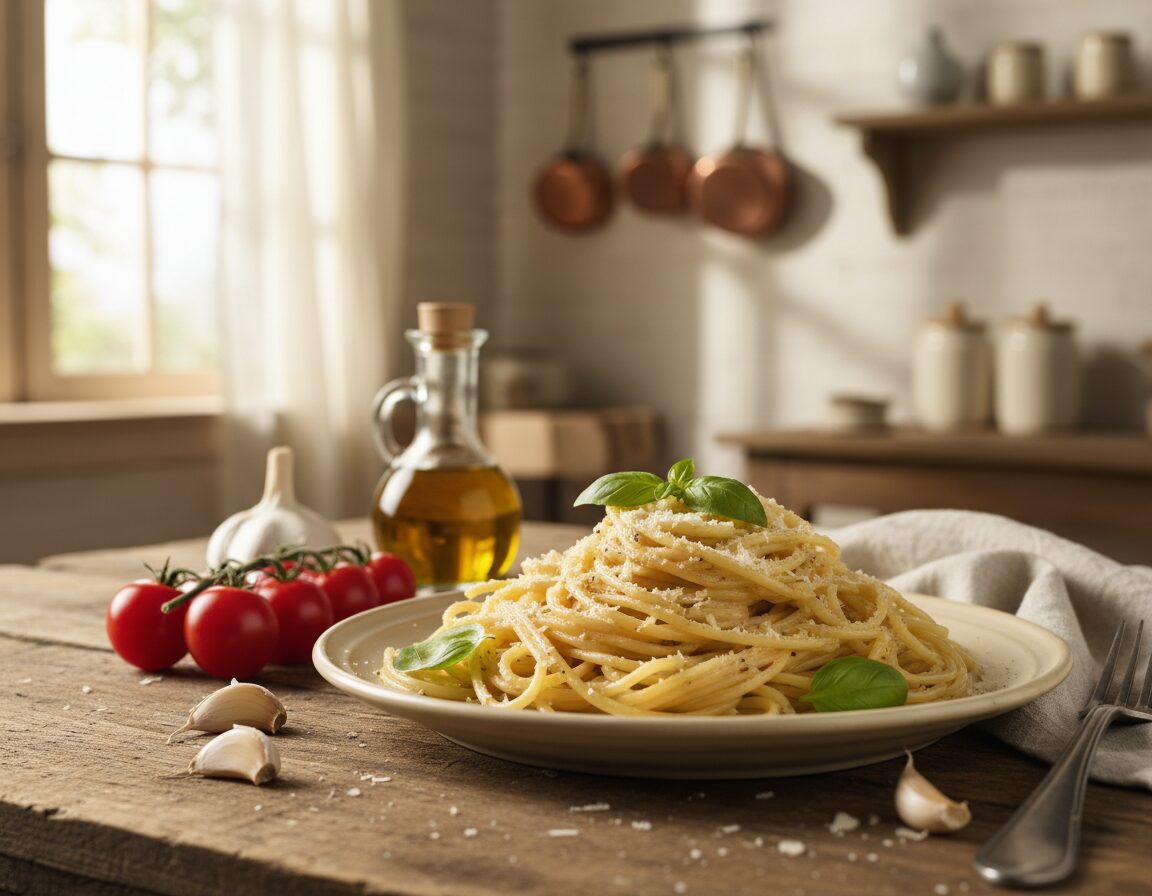
Cooking pasta just shy of done for reheating
I always undercook pasta by 1–2 minutes. It finishes when I reheat, so it never turns soft and gluey.
Tip: for one‑pot dishes I let the residual starch make a silky finish. For trays and salads, drain and toss with a little oil to stop sticking.
Keeping extra sauce on hand for day‑two lunches
I always freeze or chill a small tub of extra sauce. Day‑two pasta often needs loosening to feel freshly cooked.
Warm the sauce first, add to the pasta while stirring, and reheat for a minute or two so the texture revives.
Noodle soups and ramen‑style portions made for the freezer
I store broth, noodles and toppings separately. Noodles go in a pot for a minute when I reheat, not into the cold broth.
For freezer-friendly ramen: portion broth into tubs, bag toppings (meat, veg, egg), and freeze. Assemble and heat for a few minutes for a proper bowl.
- Rice care: cool quickly on a tray, portion into shallow tubs and reheat with a sprinkle of water to restore fluffiness.
- Texture wins: cook/shock/store separately and use a little extra sauce when reheating.
| Starch | Key habit | Reheat note |
|---|---|---|
| Pasta | Undercook by 1–2 minutes | Add warmed sauce; stir for 1–2 minutes |
| Rice | Cool quickly; portion shallow | Sprinkle water; microwave or pan steam 2–3 minutes |
| Noodles | Keep broth separate | Blanch quickly at serving; 1–3 minutes |
Potato-based comfort prep beyond mash
Potatoes are my secret weekday hero — cheap, adaptable and oddly satisfying when you want something filling without fuss.
Why I rely on them: a jacket potato or a roasted sweet potato stores well, stretches toppings and keeps costs down. I batch-bake medium jackets at 200°C for 1 hour, cool on a wire rack and refrigerate wrapped.
Jacket potatoes as a base for chilli, stroganoff or cheesy beans
I reheat the potato first in the oven (180°C, 15–20 minutes) so the skin crisps back up. Then I ladle on a hot topping — chilli, a stroganoff-style sauce or cheesy beans — so nothing goes soggy.
- Portion rule: one medium jacket + one ladle of topping hits the sweet spot for most lunches.
- Use leftover chilli or mince to top spuds — it’s an easy make way to avoid waste.
Sweet potato with black beans for quick lunches
For a lighter lunch I roast sweet potato halves and stuff with black bean salsa, a squeeze of lime and crunchy seeds. It’s simple, filling and keeps well in the fridge for 3 days.
| Item | Cook/store | Reheat tip |
|---|---|---|
| Jacket potato | Batch-bake; wrap when cool | Oven first, then hot topping |
| Sweet potato | Roast; halve and cool | Microwave briefly or oven 10 mins; add beans after |
| Cheesy beans | Keep separate in tub | Heat until bubbling; spoon on just before serving |
Soups and stews that make meal prep feel effortless
Soups and stews are my easiest weeknight win — one pot, little fuss and better on day two.
Why they work: they need one pan, forgiving timings and stretch a small list of ingredients into several lunches. A proper pot also freezes well for quick single portions.
Smoked haddock chowder for a cosy bowl with bread
I keep chowder light: flaked smoked haddock, leeks, potato and a splash of milk at the end. It feels creamy without heavy cream. Serve with a chunk of bread for a proper bowl that still reheats cleanly.
Bean soup and black bean chilli for budget-friendly batches
I make a chunky bean soup and a black bean chilli as my cheap, filling bases. Tins of beans, passata and basic spices cost little and add fibre. Both freeze in single portions and thaw quickly for lunches.
How I thicken stews properly without loads of cream
Simple tricks work: simmer with the lid off to reduce, mash a few potatoes or beans into the pot, or stir in a small flour slurry (2 tsp flour + cold water). These add body without relying on cream.
| Dish | Key thickening | Freeze-friendly? |
|---|---|---|
| Smoked haddock chowder | Small potato mash; milk added off-heat | Yes, freeze in single tubs |
| Chunky bean soup | Partial mash of beans; reduce lid off | Yes, very reliable |
| Black bean chilli | Reduce and stir; optional flour slurry | Yes, freezes and reheats well |
Seasoning tip: soups need a little extra salt and a splash of acid (lemon or vinegar) after chilling to brighten flavours. Portion into leakproof tubs and label with date + reheating note.
Sides I prep to make rich mains feel fresher
A crisp side can make a heavy bake taste lively without extra fuss. I bother with sides because they cut through rich cheese and a sticky sauce. They change the balance of a dish without changing the main recipe.
Green salad with a sharp dressing
I keep a simple green salad ready—mixed leaves, sliced cucumber and a few herbs. I store dressing separately so the leaves stay crisp.
Sharp dressing (mustard, lemon, oil) brightens cheesy dishes and balances fat. Toss at the last minute so the salad does the job beside a heavy plate.
Roasted veg tray for quick add-ons
A tray of roasted carrots, peppers and aubergine reheats well. I roast once and use the veg next to pies, stirred into pasta, or as a lunch box veggie.
Simple rice and couscous bases
I batch-cook plain rice and quick couscous. They stretch curries and tagines and make the same curry feel different across the week—rice one day, couscous the next.
- Keep sides simple to avoid extra washing up.
- Portion dressings and grains so assembly is a minute at service.
Reheating comfort food so it tastes newly cooked
A few smart reheating tricks turn yesterday’s dinner into something I’d happily serve again. I keep things simple — choose the right appliance, revive texture, then follow a couple of safety rules.
Oven vs microwave: when each one wins
Microwave: my go-to when I’m short on time or the dish is saucy. Heat in short bursts, stir halfway, and check after a couple of minutes so nothing overheats.
Oven: best for trays, pies and anything with a topping that needs crisping. I set a hot oven for 15–25 minutes so the centre warms through without drying out.
Bringing back texture: crisp toppings and bubbling cheese
I revive crunchy bits by keeping them separate until serving. For breadcrumbs I toast under a hot grill for a minute or two; for cheese I finish under the grill until it bubbles and browns.
Little tricks make a big difference — a splash of stock or water loosens a thick sauce, and stirring halfway helps heat evenly so the overall texture feels fresh.
Food safety basics for the fridge and freezer
- Cool quickly: get food into the fridge within a couple of hours of cooking.
- Label and rotate: write the date and use oldest portions first from the freezer.
- Reheat properly: ensure the centre is piping hot before serving; use an oven or microwave until steaming throughout.
| Appliance | Best for | Timing |
|---|---|---|
| Microwave | Saucy dishes | 2–5 minutes, stir halfway |
| Oven | Pasta bakes & pies | 15–25 minutes until hot |
| Grill | Cheese and crumbs | 1–3 minutes to brown |
My realistic two-hour prep session for a week of comfort meals
Two focused hours in my kitchen usually give me four dinners and a freezer lifeline for the week. I plan it so nothing sits idle — while one pot simmers I’m prepping the next, and I keep the surface clear so I don’t lose momentum.
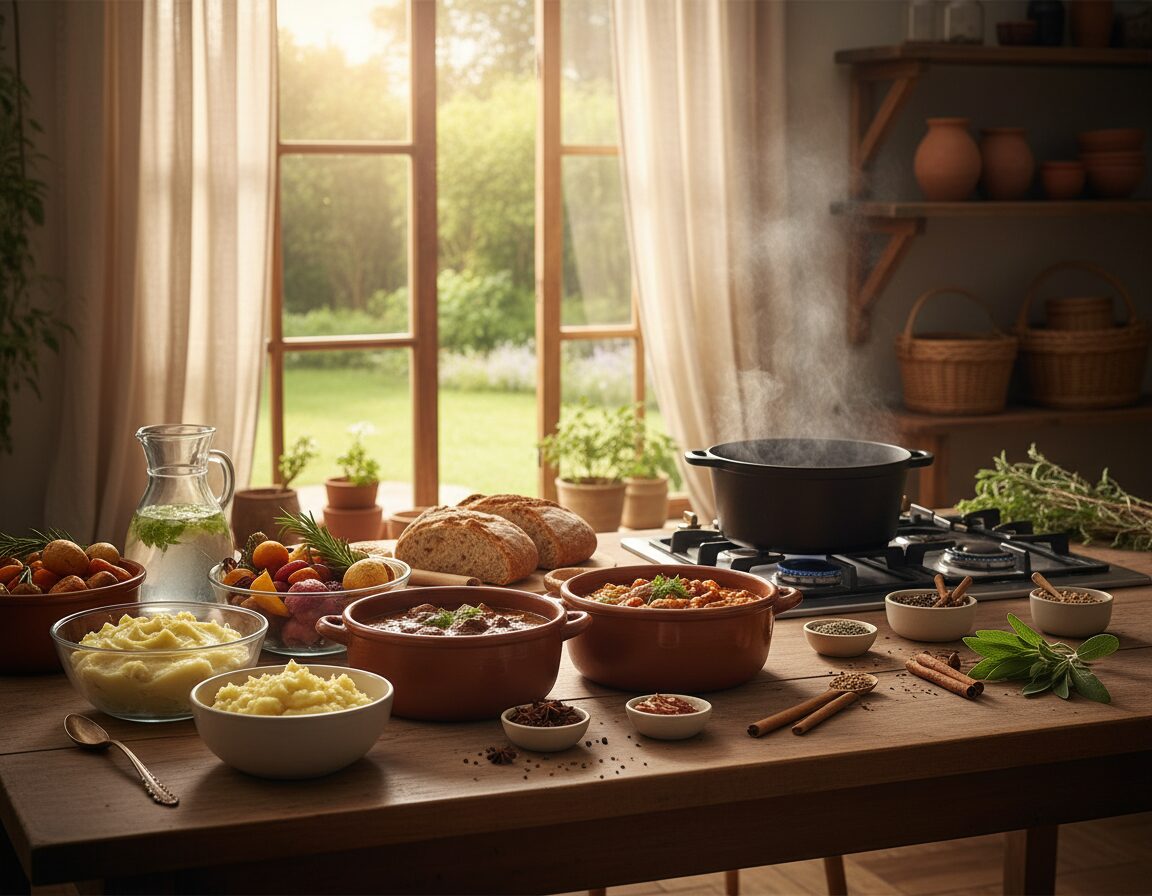
The order I cook in to stack tasks
I start with anything that needs long heat — slow-cooker or oven bakes. That takes the bulk of the time without my constant attention.
Next I get a soup on the hob so it can simmer while I chop and assemble a pasta bake. I finish with a quick mince base that fries in minutes and can be portioned hot or frozen.
A sample mix I use
- Slow-cooker chicken curry for depth and easy portioning.
- A tuna or lasagne pasta bake for day-two lunches.
- Butternut squash soup for light lunches and freezer tubs.
- Versatile beef mince — chilli or bolognese that becomes sandwiches, pies or bowls.
How I label and rotate portions so nothing gets lost
I label each tub with dish, date and a short note — “add rice” or “oven 20 mins”. Fridge portions live at the front; freezer ones go in a named tray by week.
| Dish | Store | Keep for | Reheat note |
|---|---|---|---|
| Chicken curry | Fridge & freezer | 3 days / 3 months | Microwave or saucepan; add water if thick |
| Pasta bake | Fridge & freezer | 2 days / 2 months | Oven 20–25 minutes from chilled |
| Butternut soup | Fridge & freezer | 4 days / 3 months | Stir and heat gently; garnish fresh |
| Beef mince base | Fridge & freezer | 3 days / 3 months | Use in pies, jackets or loosen for pasta |
Easy make is repeating a couple of recipes, keeping tools to a hand or two, and not trying to do everything at once. It keeps this two-hour session friendly, not frantic.
Conclusion
Start simple: pick two trusty comfort food recipes this week and keep a frozen spare. I find that one evening of cooking and a labelled tub in the freezer change a week more than an elaborate plan ever does.
I follow a basic system — plan by format, buy repeat ingredients, batch-cook in reliable ways and portion so texture keeps. That keeps things practical rather than fiddly.
Use sides, an extra sauce and a swap of rice or salad to stretch variety. I also keep a veggie option and a meat one so the family can pick what they want.
As a last check: label tubs, date them and keep one rescue portion for the busiest night. Treat a simple dessert—apple crumble or sticky toffee—like an occasional treat rather than a weekly rule.