
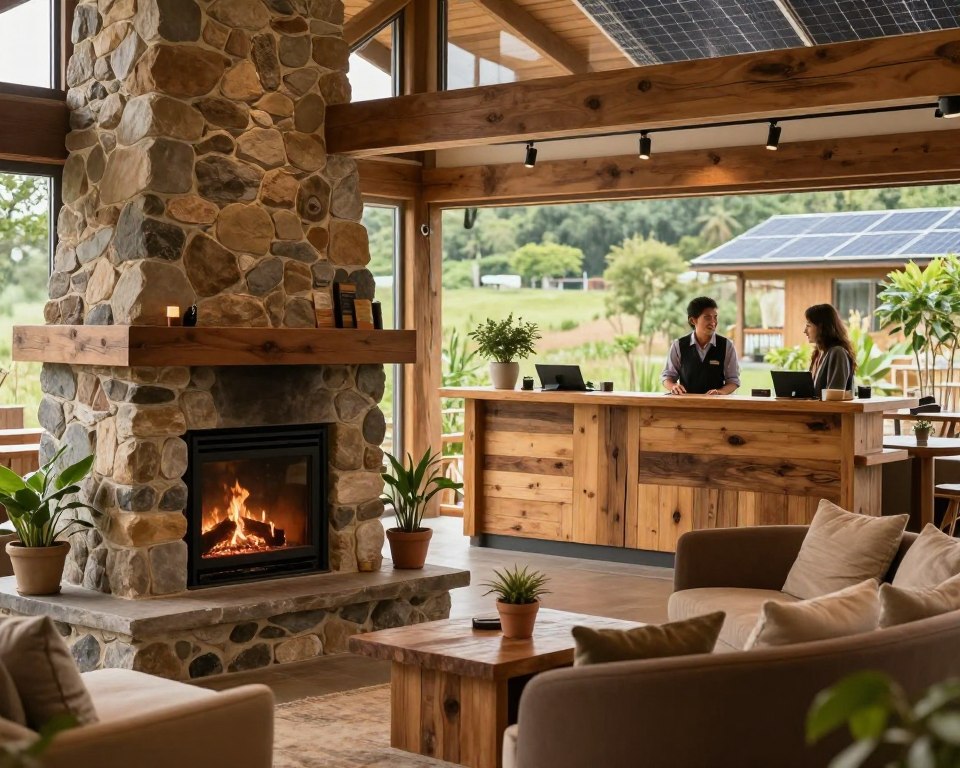
I want to be clear from the start: when I say Booking Eco-Friendly Hotels, I mean sensible, checkable choices that cut impact without turning a holiday into a chore.
I picture a place where energy, food, waste, water and fair treatment all matter in day-to-day running. I write as someone who tests the claims, looks under the veneer, and prefers practical proof over marketing copy.
Throughout this guide I’ll show how I narrow options fast, verify real sustainability, and pick the right setting for a break or a longer trip. I’ll keep things realistic: often the greenest choice is one that reduces travel, supports local staff and fits the sort of trip you actually enjoy.
For a quick primer on credible standards and what to ask, see my notes on sustainable travel accommodations.
Key Takeaways
- Look for clear, verifiable practices, not just design stories.
- Check energy, food, waste and water policies, plus staff treatment.
- Use quick filters to narrow choices, then verify details before you commit.
- Often the best impact comes from travelling less and staying longer.
- These checks work whether you’re planning a UK short break or a longer trip abroad.
Booking Eco-Friendly Hotels without the guesswork
I shortlist fast, then I check the details on the property’s own site before I pay.
I use a simple two-tab routine. First, the directory helps me filter by location, style and sustainability features. Second, I open each property’s site to confirm specifics.
What I compare first:
- Exactly where the hotel sits and how to get there without a car.
- Food offering and whether menus list local suppliers or organic options.
- Concrete sustainability facts — numbers, policies and named partners rather than vague claims.
I care about booking direct because it usually means clearer terms and fewer layers. When a directory isn’t a booking engine, the Book button should send me straight to the property’s own system. That way there are no middlemen and no commissions inflating the price.
Quick checklist before I click:
- Total cost and what’s included.
- Cancellation rules and how to contact the place.
- Any car-parking prompts (a sign the stay assumes driving).
I use community tips to map green routes, but I always verify timetables, distances and accessibility myself.
What I look for in truly sustainable hotels
I judge a stay by what guests actually experience. Practical actions matter more than tidy slogans. Below I outline the checks I use when I decide if a place is truly sustainable.
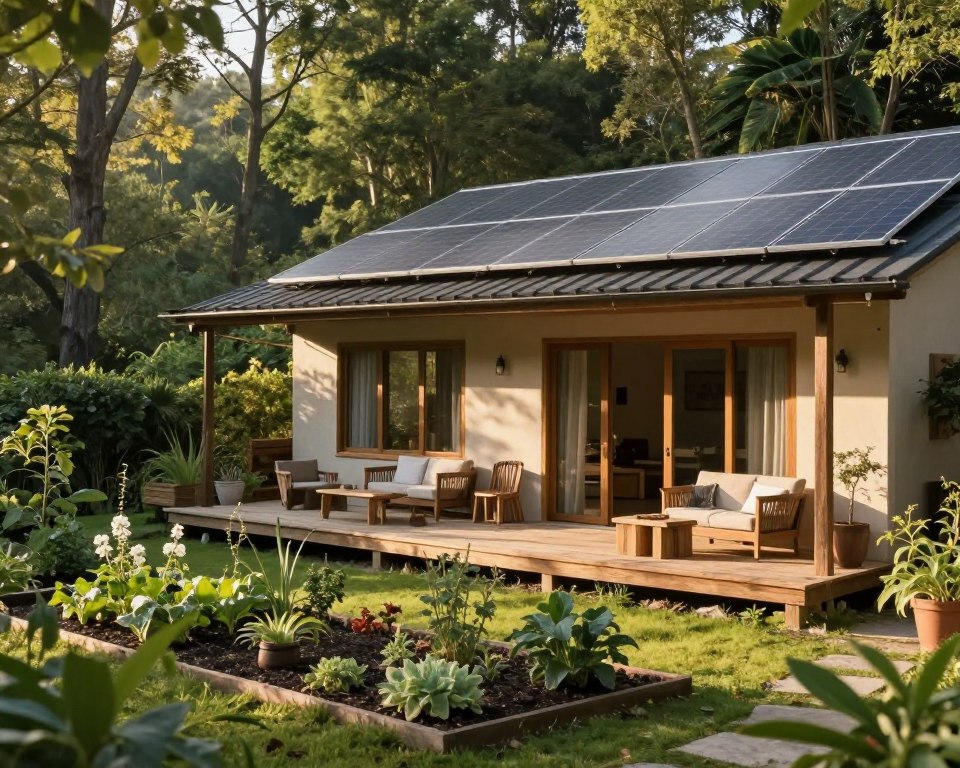
Renewable power and winter energy use
I check how the building is heated, whether insulation and smart controls are mentioned, and if they name renewable suppliers. In winter a good place stays warm without high bills or patchy hot water.
Natural materials and low‑tox design
Real wood, natural fibres and clear ventilation are signs of low‑tox finishes. I avoid rooms that smell strongly of varnish or paint.
Organic food and thoughtful menus
I look for seasonal menus, organic suppliers and vegan options that feel planned, not tacked on. The food should suit the stay, not undermine it.
Community impact and fair practice
I want evidence of fair pay, local suppliers, and activities that benefit local people rather than extract value from them.
Waste and water that don’t cut comfort
Refillable toiletries, clear recycling, sensible laundry rules and decent showers are musts. Conservation should not mean inconvenience.
Proof over poetry — my sanity checks
- Named partners, dated policies and consistent claims between directory and property.
- Red flags: vague eco language, a single paragraph on sustainability, or photos showing excess single‑use items.
| Check | What I look for | Why it matters |
|---|---|---|
| Heating & energy | Insulation, smart controls, named renewable supplier | Comfort in winter and lower actual emissions |
| Materials | Real wood, natural textiles, good ventilation | Healthier indoor air and longer‑lasting finishes |
| Food | Seasonal menus, organic sourcing, full vegan options | Lower supply impacts and better guest choice |
| Community | Fair pay, local contracts, community projects | Supports local people and regional resilience |
Find the right eco hotel for your trip in the UK and beyond
I start by deciding what I want from the trip — rest, activity or city culture — and let that steer the search. That single choice narrows options quickly and keeps my shortlist honest.
Choosing by experience
I filter by category: wellness for recovery, beach for swimming and coastal walks, hiking for access to trails, or a city escape for easy trains and green spaces. Each category brings different checks: spa treatment availability for wellness, shore access for beach stays, and trailhead proximity for hiking. Examples beyond the UK follow the same logic — OCÉANO Health Spa Hotel (Tenerife) for rest, STURM (Germany) for hikes, OLM Nature Escape (Italy) for rural calm, or Gili Lankanfushi (Maldives) for reef access.
Rentals and chalet villages
I pick a vacation rental if I’m staying longer, want to cook, or travel with others. Self‑catering lowers food waste and gives control over energy use. A chalet village can work well too: shared services reduce per‑person impact while keeping private space.
Matching to nature
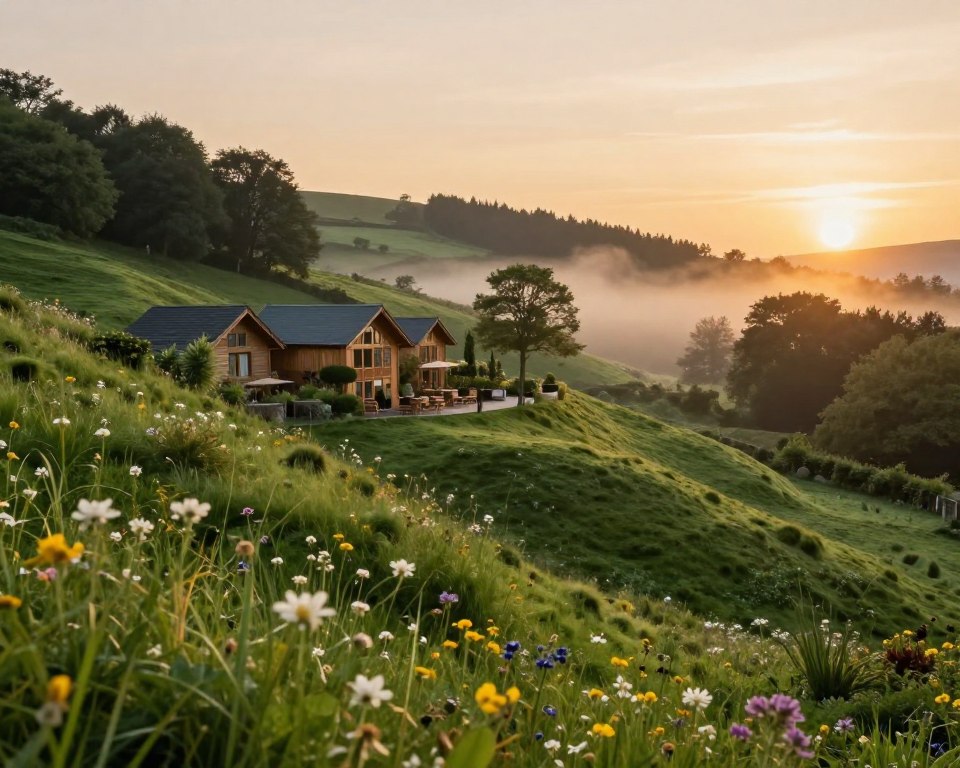
Coast for swims and walks, hills for sustained hikes, forests for quiet, or a town edge when I want green space without a car. In the UK I check rail links, walkability from the station, and local buses. I aim for a short list of 3–5 clear options, each with one sentence on why it fits my values and trip aim.
| Trip type | What I check | Best fit example |
|---|---|---|
| Wellness | Spa services, quiet rooms, local food | OCÉANO Health Spa Hotel |
| Hiking | Trail access, kit storage, transport links | STURM (Germany) |
| Coastal | Beach access, tide-safe walks, swim options | Gili Lankanfushi (Maldives) |
| Rural retreat | Local suppliers, low traffic, on-site nature | OLM Nature Escape (Italy) |
Plan low-impact travel as part of the stay
I plan the journey with as much care as I do the stay. A brilliant place loses some benefit if I automatically drive long distances when a rail and a short walk would do. Treating the route as part of the trip keeps impact low and the mood calm.
Green itinerary options I use:
- Rail to the nearest station, then on foot or by bike for local travel.
- E-bike or cycle for longer coastal or countryside loops.
- Canoe or horse where trails and safety make them sensible choices.
I use mapped routes from a trusted community as inspiration, then check gradients, daily distances, daylight and plan alternatives if the weather turns. Community routes give real insight, but I always verify practical details myself.
Keeping slow travel comfortable:
- Fewer bases and longer stays to reduce packing and transfers.
- Light, carryable luggage and one planned “big walk” day with easier days between.
- Choose accommodation that supports rest — good beds, proper food and warm rooms.
Practical UK tips: pick a base near a station, plan one big day out and one easy day, and pick places where you can eat well without reaching for a car each evening.
| Season | What to expect | Example offer |
|---|---|---|
| Winter activity | Structured days, easy local travel, clear kit lists | Men Craft Days, Hotel Klosterbräu (26–29 Mar 2026) |
| Winter retreat | Low movement, recovery focus, certified organic food | STURM “Re-Connect & Re-Start” (15–18 Jan 2026) |
| Shoulder-season spa | Switch off, short transfers, massage-centred rest | Lifestyle Resort Zum Kurfürsten (2026 dates) |
| Longer summer stay | Self-catering, settle in, fewer day trips | Hygna Chalets early-bird summer offer (10% to 28 Feb 2026) |
Conclusion
When I wrap up a search I favour clarity: verified facts, a clear price and a direct line to the team.
My simple routine is this: use a directory to make a short list, confirm claims on the property site, then deal directly so I know who I’m supporting.
I focus on five checks that matter most: winter energy and heating, food sourcing, materials and air quality, waste and water habits, and fair treatment of the people who work there.
Choose progress over perfection. Pick a destination, decide the trip type, shortlist 3–5 options and ask one direct question that proves their sustainability claims are real. That small step makes you part of a better travel habit.