
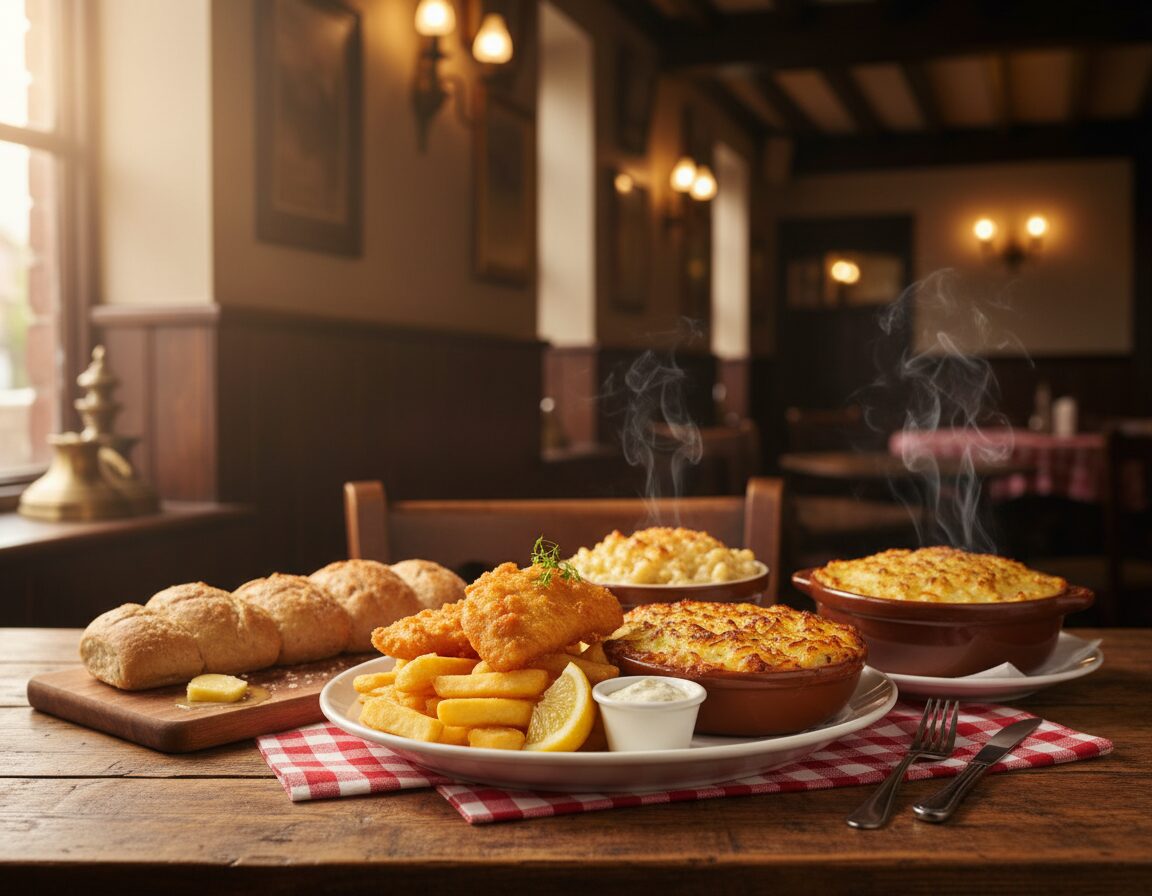
I start with a shortlist of british comfort food classics I reach for when I want something properly cosy — the recipes that warm the kitchen and the soul.
I write as someone who cooks for the weeknight rush and for slow Sundays. I’ll be honest about what feels worth the fuss, and what really delivers on warmth, richness and that full, content feeling.
I’m talking about everyday dishes you can find in pubs, chippies and home kitchens — not a polished, restaurant menu. Expect practical notes on what usually goes wrong and simple fixes I use at home.
Quick note: many of these meals overlap in the best way — gravy, mash, potatoes, butter and pastry — and that’s part of the point. They’re familiar, budget-friendly and brilliant for feeding a family without fuss.
Key Takeaways
- I share tried-and-tested picks I cook when I want genuine cosiness.
- Judging is practical — warmth, richness and weeknight worthiness matter.
- These are everyday dishes you can find across the UK, not an upscale list.
- I’ll highlight the little details that usually make or break a recipe.
- Most ingredients are common and kind to a tight budget.
What I mean by “comfort food” in the UK (and what I look for in a proper cosy meal)
Comfort, for me, is simple and sensory. I mean dishes that warm you up, fill you, and lift the mood on a short, wintry evening.
Hearty, filling, and built for cold evenings
I look for plates that feel weighty in a good way—meals that stop you getting hungry an hour later. If it’s hearty and filling, it scores points straight away.
Gravy, butter, mash and pastry: the common comfort threads
These dishes share a few obvious ingredients: sturdy starch, rich sauce and buttery texture. The flavour is usually savoury and rounded rather than hot.
Pub plates vs home-cooked versions (and why both count)
A good pub portion can be a proper pick-me-up. At home, I accept a bit of “make do” if it means leftovers that work for another meal. Time matters—some comforts are midweek quick, others deserve a slow Sunday.
- Look for proper gravy—it tells you the dish was finished with care.
- Buttery mash or crisp pastry signals textural comfort.
- Potatoes present usually mean the meal will be filling.
- Practical classics are often designed for leftovers or easy reuse the next day.
Sunday roast with all the trimmings (my benchmark for a comforting dinner)
Sunday roast feels like a proper weekender — generous, noisy and built for sharing. I pick a roast depending on budget and leftovers: beef for roast dinners that double as sandwiches, chicken for speed and economy, pork when I want crackling, and lamb for deeper flavour.
Yorkshire pudding should be tall, crisp outside and spongey inside. The trick is hot fat — use dripping if you have it — and don’t open the oven until the batter has risen. Avoid soggy puddings by preheating the tin well.
For roast potatoes that actually crunch, par-boil, rough the surface, then roast in hot fat or oil. A sharp contrast between crisp potatoes and soft veg makes the plate sing.
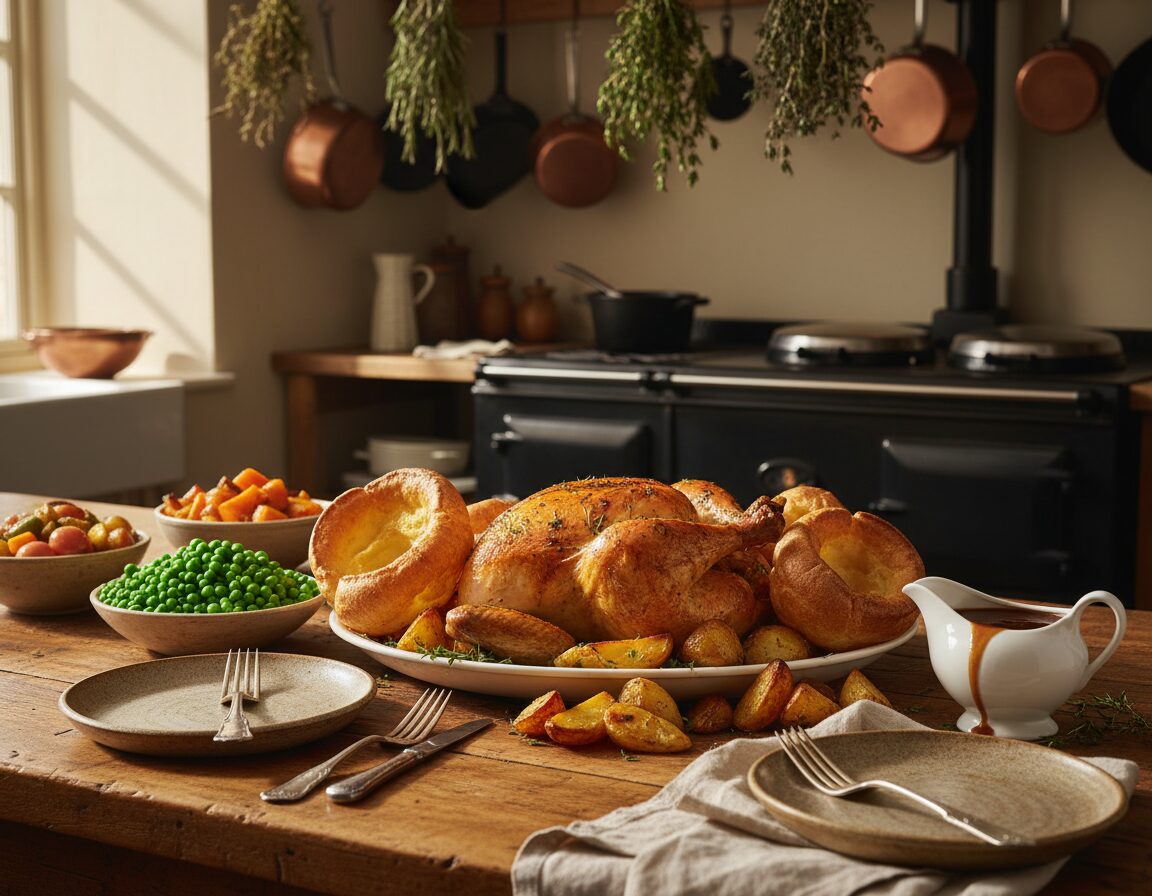
- I treat gravy as a main player — reduce juices until glossy so it clings.
- Classic sides I serve: cabbage, sprouts, carrots, swede and peas — colorful veg keeps things balanced.
- Condiments: horseradish with beef, English mustard for a kick, and apple sauce for pork.
| Meat | Best for | Condiment | Leftover use |
|---|---|---|---|
| Beef | Sandwiches, rich dinners | Horseradish | Beef sandwiches or pie |
| Chicken | Family budget, versatile | Mustard or gravy | Salads, wraps |
| Pork | Crackling lovers | Apple sauce | Sandwiches, fried rice |
| Lamb | Deep flavour, special meals | Minty or redcurrant sauce | Shepherd’s pie |
If you like a simple follow-up roast option, try my easy bangers and mash recipe for a speedy midweek plate using leftover meat and potatoes.
British comfort food classics I keep coming back to on weeknights
When the day runs long, I cook meals that feel like a hug but don’t take hours. These are the plates I order out and make at home depending on time and mood.
Fish and chips — cod, haddock or plaice, and what proper batter means
I pick cod or haddock most nights; plaice works if I want a milder texture. Proper batter is light and crisp, not greasy. Chips should be hand-cut and twice fried so the centre stays fluffy and the edges go crunchy.
Egg and chips — simple tea that’s better than it sounds
Hot chips, a runny yolk and good bread make this a proper tea. It’s quick at home and often better than pub versions—keep the yolk loose and don’t drown the chips in salt.
Bangers and mash — sausages, onion gravy and fluffy mash
I want sausages with a good snap and honest seasoning. Fluffy mash and a glossy onion gravy finish the dish. Leftovers make brilliant sandwiches the next day.
Toad in the hole — minimal fuss, maximum payoff
Sausages baked in Yorkshire pudding batter feel like the most efficient indulgence. I always serve mustard on the side and a decent spoon of gravy.
- Home vs pub: buy fish and chips if you want the real chippy vibe; make bangers or toad in the hole at home for fresher sausages and gravy.
- Why I keep them: familiar flavours, quick prep, and leftovers that work well.
| Dish | Main protein | Key finish | Best for |
|---|---|---|---|
| Fish and chips | Cod / Haddock / Plaice | Crisp batter + malt vinegar | Takeaway night |
| Egg and chips | Egg | Runny yolk | Quick supper |
| Bangers and mash | Sausages | Onion gravy | Family dinner |
| Toad in the hole | Sausages | Yorkshire batter + mustard | Minimal fuss roast |
Pies and puddings that make the house smell like home
There’s something about a pie in the oven that instantly feels like home. I pick these dishes when I want a filling midweek meal or a make-ahead family supper that reheats well.
Shepherd’s pie vs cottage pie: lamb or beef, and the mash topping I swear by
Shepherd’s pie uses minced lamb; cottage pie is made with beef. Both began as clever ways to use leftover roast meat and still taste like proper home cooking.
My mash topping is well seasoned, fork-roughened and dotted with butter. I sometimes grate a little cheese on top for browning and extra richness.
Chicken and leek pie: rich but familiar
I aim for soft leeks, a creamy sauce and pastry that stays crisp. Puff pastry on top keeps the filling snug and gives a flaky finish.
Fish pie: white fish, smoked haddock and prawns under mash
This recipe mixes plain white fish with smoked haddock and prawns for depth and sweetness. Make ahead and freeze — it’s forgiving and feeds a family easily.
Steak and ale pie: pub comfort at home
Tender beef in a glossy ale sauce is my sofa-friendly pick. I serve it with greens and extra gravy if the dish needs cutting through.
- Why pies work: rich filling, cosy topping and that “something’s baking” smell.
- Make-ahead tip: assemble and freeze before you bake to save time on busy nights.
Slow-cooked classics for when I’ve got time (or a slow cooker)
Some dishes deserve a long, slow cook — the kind that fills the kitchen while you get on with life. I reach for them when I can leave a pot to do the heavy lifting and come back to something proper and honest.
Lancashire hotpot: layers that reward patience
Lancashire hotpot is a North West dish built on slow-braised lamb, onions and carrots, topped with a thatch of sliced potatoes. I love it because the meat turns meltingly tender and the veg goes sweet with time.
Texture matters: soft stew below and a golden potato top that crisps at the edges. Use a cheaper cut of lamb and cook low and slow — it keeps costs down and improves flavour.
Bubble and squeak: the best leftover rescue
Bubble and squeak is my favourite way to revive yesterday’s roast. Leftover potatoes, cabbage and onions get chopped, pressed into a pan and cooked until parts go crispy and browned.
Keep it flexible — sprouts, carrots or leeks work too. The goal is contrast: soft interior, crunchy exterior. Use a little oil, press the mix down and don’t stir too often to get good browning.
- Why bother: low fuss, family-friendly and frugal.
- Time tip: start the hotpot in the morning or pop the hotpot in a slow cooker while you’re out.
- Leftovers: both dishes reheat well and turn into new meals the next day.
| Dish | Key ingredients | Best for |
|---|---|---|
| Lancashire hotpot | lamb, potatoes, onions, carrots | slow Sunday or slow cooker evenings |
| Bubble and squeak | potato, cabbage, onion (leftovers) | frugal lunches or quick family supper |
The British curry that earns its place on this list
A curry earns its place on my list because it’s woven into what we eat now — a proper go-to when I want something warm and filling.
Chicken tikka masala: why it’s a UK favourite and what makes the sauce tick
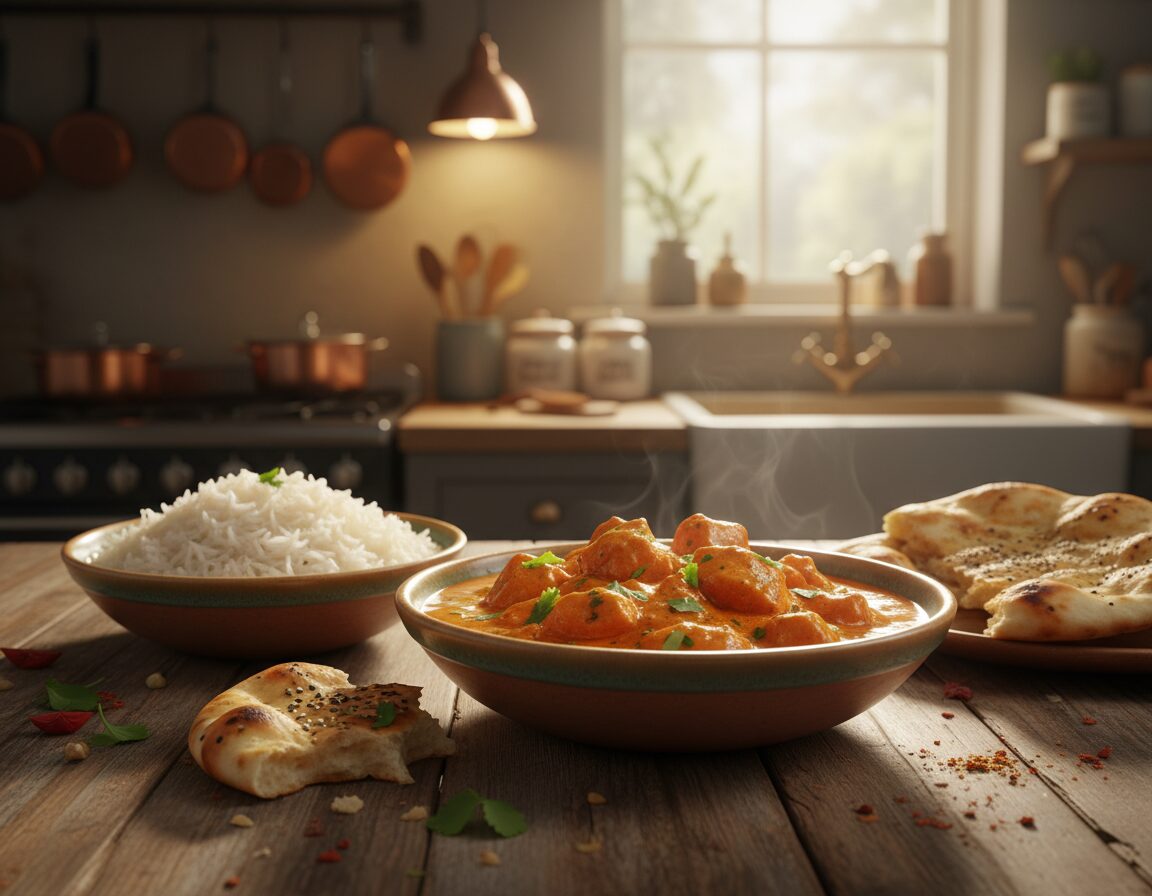
I make chicken tikka masala when I want a cosy, familiar plate. It’s chunks of pan-roasted chicken in a creamy, spiced, orange-tinted tomato-based sauce. The key flavour notes I chase are sweet tomato, warm ginger and gentle spice — enough to soothe, not punish.
The dish likely began here in Britain; Robin Cook even called it a national dish in 2001. For me that explains why it feels so normal on a midweek menu.
How I serve it at home: rice, naan, and balancing heat with creaminess
I serve it with fluffy rice and naan for scooping. I aim for enough sauce to coat the rice and a cooling yoghurt or cucumber on the side if the spice runs hot.
- Make it easy: pan-roast the chicken first for colour.
- Keep it steady: finish with cream to tame chilli and keep the sauce silky.
| Serve | Role | Tip |
|---|---|---|
| Rice | Soaks sauce | Use long-grain, keep fluffy |
| Naan | Scoop and mop | Warm before serving |
| Yoghurt | Cooler | Add ginger for balance |
Puddings and sweet comforts I genuinely make on repeat
I cook sweet things that travel well from oven to plate, feed the family and need little fuss. Puddings are as central to a proper supper as a good gravy—especially on cold nights.
Apple crumble: why I prefer an oat-topped version, served warm
Apple crumble is my go-to dessert for weeknights. I like an oat top because it turns toasty and feels more substantial against soft, spiced fruit.
Serve it hot so the apples are properly soft. A spoonful of jam warmed into the fruit adds brightness if the apples are a bit tart.
Custard vs cream vs ice cream: picking your perfect topping
I pick toppings by mood. Choose custard for true nursery-style comfort. Pick cold double cream for contrast. Scoop vanilla ice cream when I want the easiest, most reliable win.
Sticky toffee pudding: my “order it when you see it” pub dessert
I order sticky toffee pudding in pubs because it rarely fails—rich sponge, sticky toffee and usually a scoop of ice cream. It’s a simple, reliably cosy treat.
Rice pudding and old-school sponge puddings: the nostalgia factor
Rice pudding is low-stress and creamy, often scented with vanilla. Old-school sponge puddings, sometimes filled with jam or chocolate, feed a family with basic ingredients and big payoff.
- Serving tip: warm pudding + a cold topping is usually best.
- Sponge note: butter-heavy cakes like steamed sponge want a pourable custard or warm jam alongside.
| Pudding | Best topping | Why I make it |
|---|---|---|
| Apple crumble | Custard / ice cream | Fast, feeds a family, oven-warm |
| Sticky toffee | Ice cream | Pub-standby, reliably rich |
| Rice pudding | Warm vanilla | Low-fuss, nostalgic |
Conclusion
All these recipes share a plain truth — they make evenings feel settled. They are warming, filling and built around simple, familiar flavours that look after you.
I’d start with one dish that fits your week. Try something quick like egg and chips, or pick a slow pot such as hotpot when you have time. Keep it doable.
It doesn’t need to be perfect. A proper meal just needs to hit the spot and suit your time, budget and appetite.
Plan simply: one roast-style dinner at the weekend, one pie or bake for leftovers, one chippy night (or homemade version), and one pudding to look forward to.
Try a classic british dish you haven’t had in ages. Tweak it to your taste and keep the ones that genuinely make life cosier.