
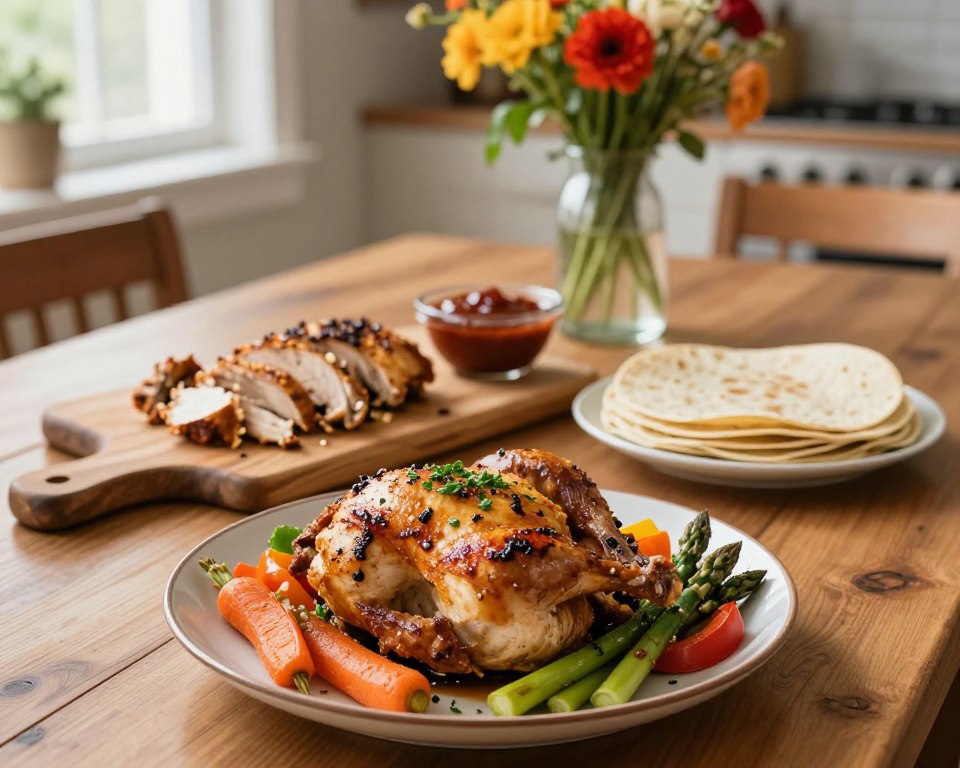
I often keep a few simple tricks up my sleeve for turning cold Sunday meat into an easy midweek meal. Leftover Roast Chicken Ideas is my shorthand for practical dishes that save time and taste like effort went in.
I’ll be frank: what I make depends on how much meat I have and what’s in the fridge — a handful of shredded meat calls for a quick stir-fry or a wrap, while a decent pile will become a pie or a pasta bake. I pay close attention to two things: food safety and keeping the meat moist, because dry reheated chicken is what puts most people off using leftovers.
Think of the options as building blocks: cold salads and sandwiches, fast pan dishes, oven bakes, and using the carcass for stock so nothing is wasted. This guide uses everyday UK supermarket ingredients and timings that fit around work nights.
Key Takeaways
- These are practical, no-fuss dinners I actually use when I want flavour without starting from scratch.
- Decide what to cook by the amount of meat and the veg, cheese or yoghurt you have to hand.
- Food safety and moisture are the two most important factors when using leftovers.
- Use the bones for stock to stretch the roast further and reduce waste.
- Sections cover quick meals, bakes, pasta, curries, salads, soups and freezer-friendly options — jump to what you need.
- For one-pan comfort options that also suit busy nights, see my take on one-pot comfort meals.
How I store and reheat leftover roast chicken safely
As soon as the plates are cleared, I sort the meat so it cools quickly and safely. I follow simple steps that keep food safe and make evening meals easier.
Chill fast, store smart: containers, timings, and fridge/freezer limits
I follow a strict two-hour rule: food must be in the fridge or freezer within two hours of cooking. I portion meat into small, airtight tubs straight away — one tub per meal, one for lunch. This stops repeated warming and cooling.
In the UK I label tubs with the day. Fridge life is 3–4 days; for best quality I freeze for up to one month. I keep bones in a separate bag if I plan to make stock the next day.
Reheating rules I stick to (including reheating meat only once)
I only reheat what I will eat. Cooked meat is reheated once and must reach piping hot throughout. I avoid refreezing after thawing and I don’t keep nipping back to the microwave with the same container.
My quick check for “piping hot” without drying the meat out
“Piping hot” means hot all the way through with no cold centre. To stop dryness I add a splash of stock or water, cover the dish, or reheat in a sauce. That way the meal stays juicy and safe to eat.
- Two-hour rule: into the fridge fast.
- Portioning: one-dinner tubs to avoid reheating more than needed.
- Label: write the day and freeze date.
Leftover Roast Chicken Ideas I rely on when I need dinner in minutes
If I’m short on time I build meals around what’s already cooked and on hand, not new shopping trips. These are quick, realistic plates you can pull together in minutes and still feel like dinner.
Cold chicken with jacket potato and coleslaw
My true no-cook fallback: a hot jacket potato, a scoop of coleslaw and cold meat sliced or shredded on top. I add a lemon wedge, a few pickles and a grind of black pepper to lift the flavours.
Chicken wraps with tzatziki, cucumber and tomatoes
Warm the wrap for 10 seconds so it’s pliable, spread tzatziki first to stop sogginess, then layer cucumber and tomatoes. Ready in under 30 minutes.
Sub or ciabatta with mozzarella and punchy dressing
Mix balsamic or lemon with oil and salt for a quick dressing. Add meat, sliced tomatoes and mozzarella. Grill briefly if you want it hot and melty.
Easy chicken nachos for a lighter supper
Use about 200g of meat, a thin layer of chips, plenty of salsa, a modest scatter of cheese and bake until bubbling. Stir the meat through so every bite gets some.
- Swap list: mayo or yoghurt instead of tzatziki; lettuce for cucumber; chopped roast veg in wraps.
- Season at the point of eating: salt, pepper, chilli flakes or herbs to avoid bland meals.
- Reheat only the portion you’ll eat and make sure it’s piping hot.
Cosy pies and bakes that make leftovers feel like a proper meal
On cold evenings I turn small amounts of cooked meat into proper pies and bakes that feel like dinner, not a reheat. A good sauce and pastry hide dryness and make a modest portion go further.
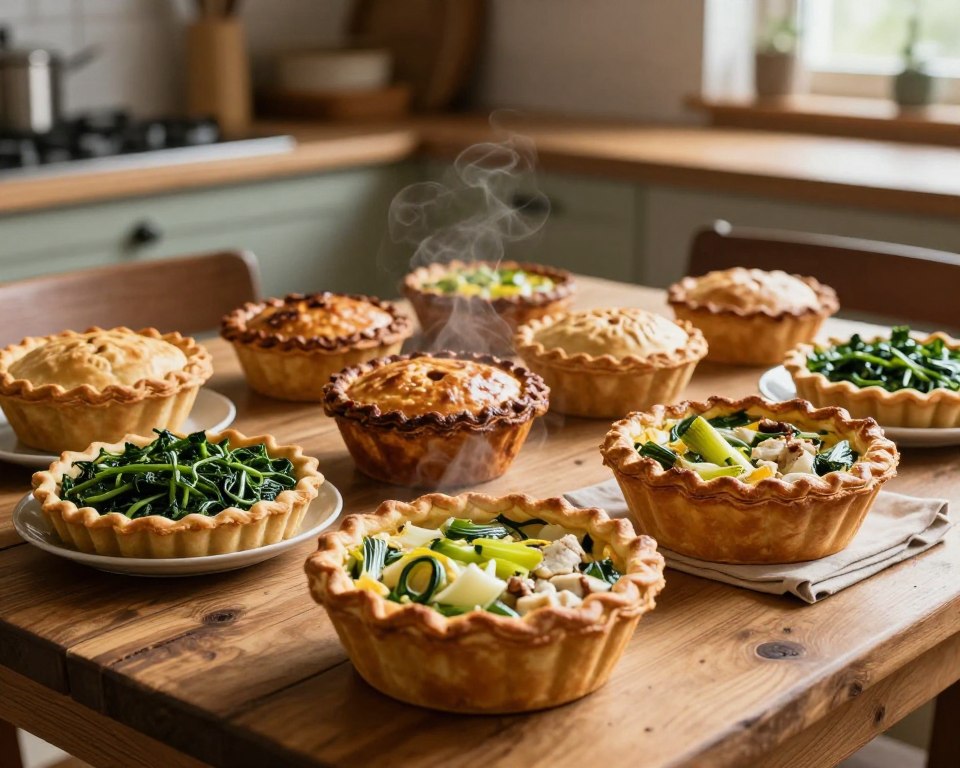
Creamy chicken, leek and mushroom pie
I stretch 300–350g of meat by adding extra leeks and mushrooms, chopping the meat small so it spreads through a rich, creamy sauce. Use stock made from the bones for depth.
Deep pie with mushrooms and leftover veg
Chop leftover veg and drain any excess gravy before folding into the filling. This feeds a family and keeps the pastry crisp rather than soggy.
Puff pastry pot pie with chorizo
A little diced chorizo adds instant lift when the meat tastes flat. Balance with peas or a spoon of crème fraîche for creaminess. Ready-made puff pastry is the midweek winner.
Chicken, leek and pea pasta bake
For a tray dinner, keep the sauce slightly looser before baking so pasta absorbs it. Portion into tubs after cooling so you only reheat what you need.
- Why pies work: sauce + pastry makes small amounts feel generous.
- Shortcut: ready-made pastry saves time on weeknights.
- Moisture tip: drain wet veg and check sauce thickness before baking.
Pasta nights: creamy sauces, quick suppers, and one-pan comfort
A pan of pasta turns modest cooked meat into a proper supper in under 20 minutes. I keep sauces simple and focus on timing so the meat stays tender.
Tagliatelle with chicken and bacon in a creamy sauce
Render diced bacon until crisp and use the fat to fry a handful of shallot or leek. Toss in cooked pasta, loosen with a splash of pasta water, then stir in cream or crème fraîche and grated Parmesan.
Add the shredded meat at the end and heat just long enough to take the chill off. That keeps it moist and avoids stringy texture.
Speedy spinach, basil, garlic and crème fraîche pasta
Fry garlic briefly, wilt in spinach, then stir in crème fraîche and torn basil. Coat the pasta, add the meat at the last moment and serve in minutes.
Simple sauce template for clearing the fridge
- Creamy: crème fraîche or soft cheese.
- Sharp: lemon or mustard.
- Savoury: grated cheese or a splash of stock.
Veg add-ins that work well: peas, leek, mushrooms or roasted peppers. For a family, keep some pasta plain for fussy eaters, then stir sauce and meat through the rest.
If the meat seems dry, cut it smaller, add more sauce and warm gently off the boil for a minute so the texture softens.
Rice, noodles and stir-fries for using up odds and sods
When the fridge holds a mix of cold rice, a few strips of meat and veg, I reach for a wok or a wide pan. Rice and noodles heat through quickly and take sauce well. They let me add veg, bulk and flavour without fuss.
One-pot rice with mild spice and extra veg
I use leftover rice and shred the meat near the end so it just warms through. A pinch of paprika, cumin and a tiny chilli keeps the spice child-friendly yet interesting.
Tip: stir in frozen peas, diced peppers or any roast veg to bulk the pot and add colour.
Easy noodle stir-fry and the way I keep noodles springy
Cook noodles briefly, drain and rinse in cold water. Toss with a splash of oil before frying — they stay springy and don’t clump.
Heat veg hard and fast, add sauce, then fold in the meat at the last moment. Reheat until piping hot throughout.
Nutty stir-fry with a fast sauce
Make a quick sauce from soy, something sweet and a splash of something sour. Add cornflour for gloss if you like.
Cook veg in small batches so they stay crunchy. Scatter toasted nuts or seeds at the end for texture when the meat is softer.
Onigiri-style rice balls for packed lunches
Mix shredded meat with spring onion and a little mayo, then shape into small rice balls. An onigiri mould helps if you have one.
- Keep portions small and chill promptly.
- Pack with an ice pack if lunches will sit for hours.
- Never leave cooked rice at room temperature for long.
Curries and bold flavours when I want something completely different
When I want to change course from traditional roast flavours, a curry is my quickest route to something new. It remakes the meal into a different dish and works with small portions of meat.
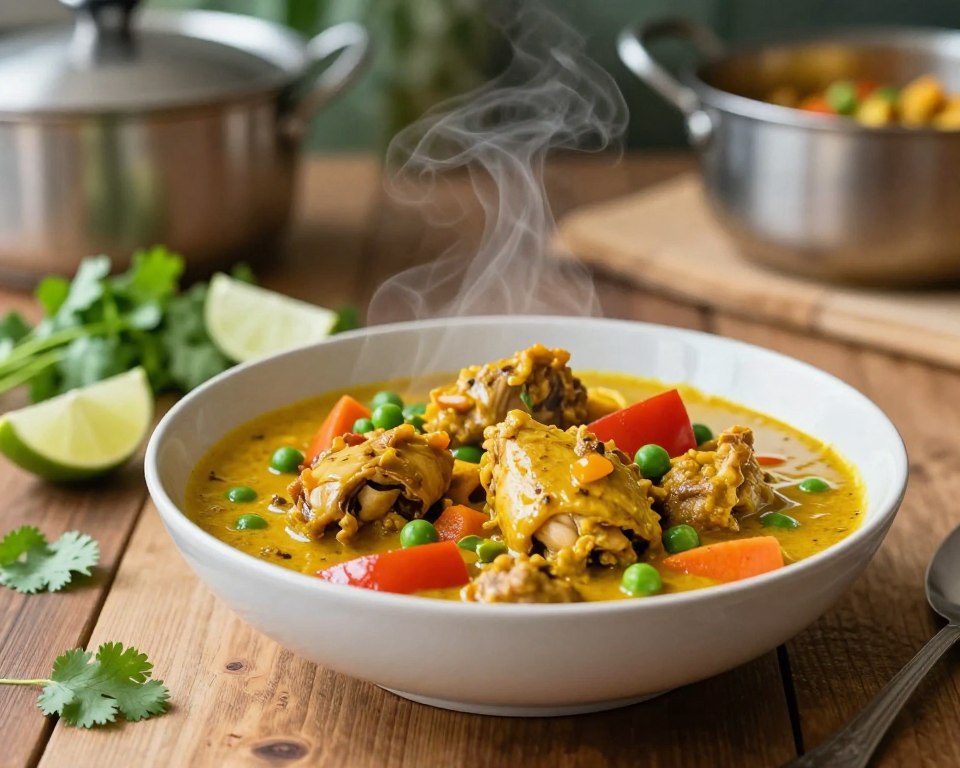
Tomato-based spicy chicken curry and how I control the heat
I start with oil, onion and garlic, then build a sauce from canned tomatoes and toasted spices. To control heat I use mild chilli, paprika and cumin for warmth and add fresh chilli at the end for anyone who wants extra bite.
Add leftover chicken right at the finish. Stir it through and warm gently so it stays moist rather than stewing for ages.
Mild korma-style curry with coconut and almond notes
A korma-style recipe uses coconut milk and ground almonds for a gentle, family-friendly sauce. Use a mild paste and lower the simmer time to about 20 minutes when the meat is already cooked.
If you want more punch, add a spoon of hotter paste or lemon at the end.
Quick sugar snap pea curry for a speedy weeknight
Snap peas cook fast, so combine them with a simple spiced sauce and fold in leftover chicken near the end. Finish with coriander, a squeeze of lime and a touch of sweetness if the sauce feels flat.
- Balance check: salt, acid (lime/lemon) and a little sweetness if needed.
- Serve with: rice, flatbreads or crisped-up roast potatoes from the fridge.
Salads that don’t feel like an afterthought
A salad can be a proper supper when it has a plan: crunch, cream, salt and a dressing that sings.
Epic salad with bacon, croutons and a proper dressing
Cook streaky bacon until crisp. Make quick croutons from cubed bread fried in the bacon fat. Toss warm or cold leaves with shredded roast chicken, bacon and croutons.
Tip: a mustard‑y vinaigrette keeps the meat moist and lifts the whole dish.
Avocado, apple and celery salad
Cube avocado and tart green apple. Add thinly sliced celery and cucumber for crunch.
Use a light creamy dressing so the salad feels rounded without being heavy.
Chicken noodle salad for packed lunches
Cook noodles, drain and rinse in cold water, then drain again. Toss with shredded leftover chicken and a sweet chilli‑style dressing.
Keep dressing separate if you’re packing it; add just before eating so it stays fresh and springy.
Caesar-style and brie variations
For a quick Caesar, add charred asparagus and either a homemade dressing or a sensible shortcut from a jar. Stir in cooled chicken so it stays tender.
For something sweeter, combine slices of brie with peaches and toasted nuts. A modest amount of meat goes a long way here.
- My salad formula: something crunchy, something creamy, something salty and a dressing that matters.
- Keep dressings separate for lunches and chill everything before packing.
Soup, stew and stock: how I make the carcass work harder
When I want to stretch a roast into more dinners, I start with the bones. A quick pot of stock changes how I use leftovers and makes simple meals feel planned.
My low-effort stock method
I toss the carcass into a large pan with onion, carrot, celery, a bay leaf and a few peppercorns. Cover with cold water, bring to a gentle simmer and skim as needed.
I simmer for 1.5–3 hours, then strain. Chill quickly and remove fat. This stock becomes the base for soups, ramen and stews.
Garden soup, rustic soup and stew
For a garden soup I add seasonal veg and a handful of orzo or small pasta shapes. It uses what’s in the fridge and fills bowls fast.
Rustic soup tastes brilliant with a spoonful of garlic yoghurt on top — stir the yoghurt in off the heat so it doesn’t split. Serve with cheese scones for wintery comfort.
A proper stew with dumplings turns meat and bones into a full meal. I pick remaining meat from the bones after stock-making and add it at the end so it stays tender.
Quick ramen from bone broth
Heat your stock, add noodles, then top with spring onion, a soft-boiled egg and a strip of nori. It’s an easy way to make a weekday meal feel deliberate.
- Meat management: remove any meat after making stock and add it back near the finish.
- One-pot advantage: stock makes everything richer with little extra effort.
Freezer-friendly and make-ahead leftovers I’m glad to have later
A sensible weekend cook-up saves at least two weeknight dinners and keeps the freezer honest. I focus on saucy dishes and layered bakes because they thaw and reheat without going dry.
Chicken meatballs in rich tomato sauce (polpette di pollo) are my go-to. I shred or finely chop cooked meat, season well, shape small balls and simmer in a good tomato sauce before freezing in portions. They thaw in the fridge overnight and work with pasta, rice or a crisp salad.
Leftover chicken lasagne is worth a weekend effort. It uses a decent amount of meat, freezes flat in single or double portions and makes proper future meals with minimal fuss.
| Freezes well | Best avoided | Why |
|---|---|---|
| Meatballs in sauce, curry, stew | Salads, watery veg | Sauces protect meat; salads go limp |
| Lasagne, pies (portion cooked) | Creamy dressings | Layered dishes reheat evenly; dressings split |
- Portion into single/double meals and label with date.
- Freeze flat in bags or shallow tubs so they defrost fast.
- Defrost overnight in the fridge or use gentle microwave defrost, then reheat until piping hot.
- Rule: cooked chicken is reheated once only — portioning keeps food safe and stress-free.
Conclusion
A simple plan — pick a path that suits the time you have and what’s in the fridge — helps turn one roast into several good meals. Decide fast: cold plates or a salad for zero prep, pasta or rice for speed, pies and bakes for comfort, curries for a flavour reset, and stock or soup to stretch the carcass.
Safety non-negotiables: chill within two hours, store airtight, fridge 3–4 days or freeze up to one month, and always reheat until piping hot. Reheat cooked chicken once only; portion first to avoid repeated warming.
Use veg, herbs and a bold dressing or sauce to lift simple plates. Keep it moist, season well and you’ll have an easy, satisfying dinner any day — sensible, calm cooking that saves time and waste.