
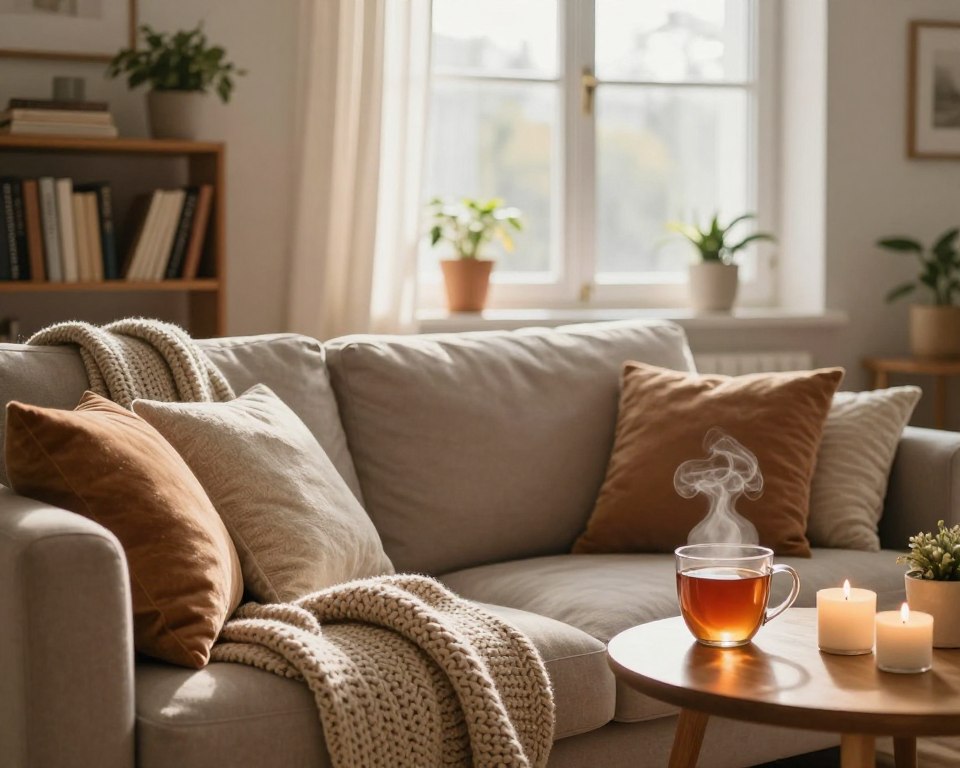
I begin with a simple promise: this guide to Hygge Lifestyle for Beginners will show small, usable steps you can try in a busy UK home today. I write from experience in ordinary life — full weeks, a modest budget and a shared space — not a styled magazine shoot.
I’ll set clear expectations about what this concept will and won’t do. I explain how I approached everyday living, and I outline practical areas we’ll cover: mindset, home, food and drink, and low-key activities.
I keep the focus on small changes that ease the day and make life feel calmer, not on copying a Scandi look. You’ll get quick ideas and a few start-here tips to try before we dive deeper into the world and history behind the idea.
Key Takeaways
- Expect practical, low-cost steps rather than a full makeover.
- I write from normal life and realistic attention spans.
- We’ll cover mindset, home, food and calm activities.
- Focus on small changes that make daily living feel calmer.
- Try the quick start tips today to see immediate benefit.
What hygge really means (and how I keep it grounded in real life)
Let me put hygge into words that actually fit a busy weeknight. I think of it as a simple, steady way to slow down so small pleasures matter more. Meik Wiking calls it “the pursuit of everyday happiness” and that fits my take.
My working definition
To me, hygge is coziness, contentment and a slower, more intentional pace. It’s not a staged look. It’s a modest feeling that the moment is easier to enjoy.
The ingredients I look for
- Togetherness: low-key time with the people you like.
- Relaxation and presence: quiet attention, not forced cheerfulness.
- Comfort and small indulgences: warm drink, comfy clothes, a slice of cake.
How to say it (and a few useful Danish words)
Say it like “HOO-gah”. Words I use often are hyggelig (hygge-like), hyggekrog (a cosy nook) and familiehygge (family hygge). And a quick note on what it isn’t: not a shopping spree, not pretending all is calm, and not perfection.
Where hygge comes from and why it matters in modern life
What started as shared small comforts in Denmark now reaches beyond its borders. The idea is plain: small, steady pleasures matter. That simple focus helped the concept travel.
Why Denmark’s happiness reputation put it on the map
Denmark ranked top in the 2016 World Happiness Report. Writers such as Meik Wiking, in his book and interviews, linked part of that rating to practical daily habits. Those stories made people notice how small rituals can lift mood and slow a busy day.
The bit I borrow most: decoupling wealth from wellbeing
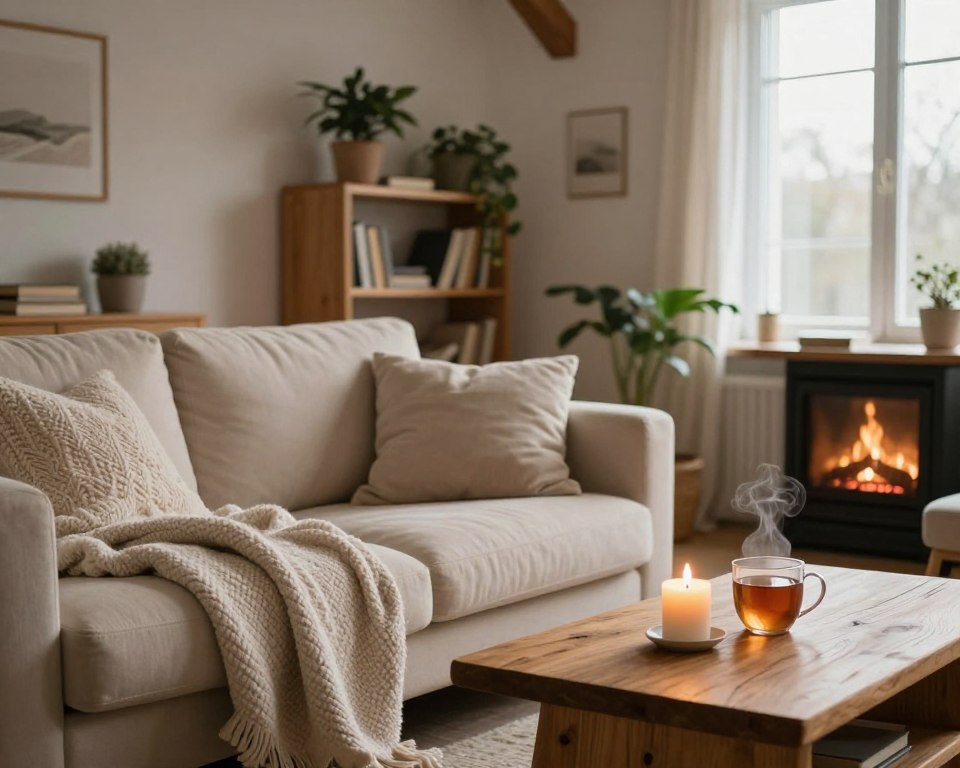
I use the most useful lesson: separate spending from comfort. Danes often choose quality time with friends and family over bigger purchases. In real life that looks like a low-cost evening meal, an unhurried chat, or cosy clothes rather than a room makeover.
- Origin: Danish, simple and practical.
- Why it spread: people wanted everyday ways to boost happiness.
- My take: keep it small, steady and affordable.
Hygge Lifestyle for Beginners: the mindset I start with before buying anything
Making cosy moments start with a small shift in my day, not with new stuff. I treat time as the main resource. If I am rushing, nothing feels calm.
Time first: removing the rush so cosy can happen
I pad my diary by ten minutes and pick one slow action each evening. Letting dinner simmer or reading a short chapter gives the feeling space to grow.
Presence over perfection
I refuse to stage every moment. I notice one thing — the steam from a mug, a warm blanket — and I stop chasing an imagined right way.
Shoestring rules: what I skip and what I keep
- I skip constant redecorating and trendy buys.
- I keep warmth, simple comfort and calm routines.
- Small, repeatable acts beat rare, perfect days.
Making it a habit, not a one-off
I use a short list of simple tips: an evening wind-down, a weekly screen-free hour, and a quick reset of one corner. Over time, this becomes part of daily life — a hyggelig way rather than a single planned event.
Making home feel hyggelig without redecorating
You don’t need a makeover to make a room feel calmer. I start with light, texture and one small corner that becomes my refuge. These moves cost little and fit into busy lives.
Lighting that changes everything
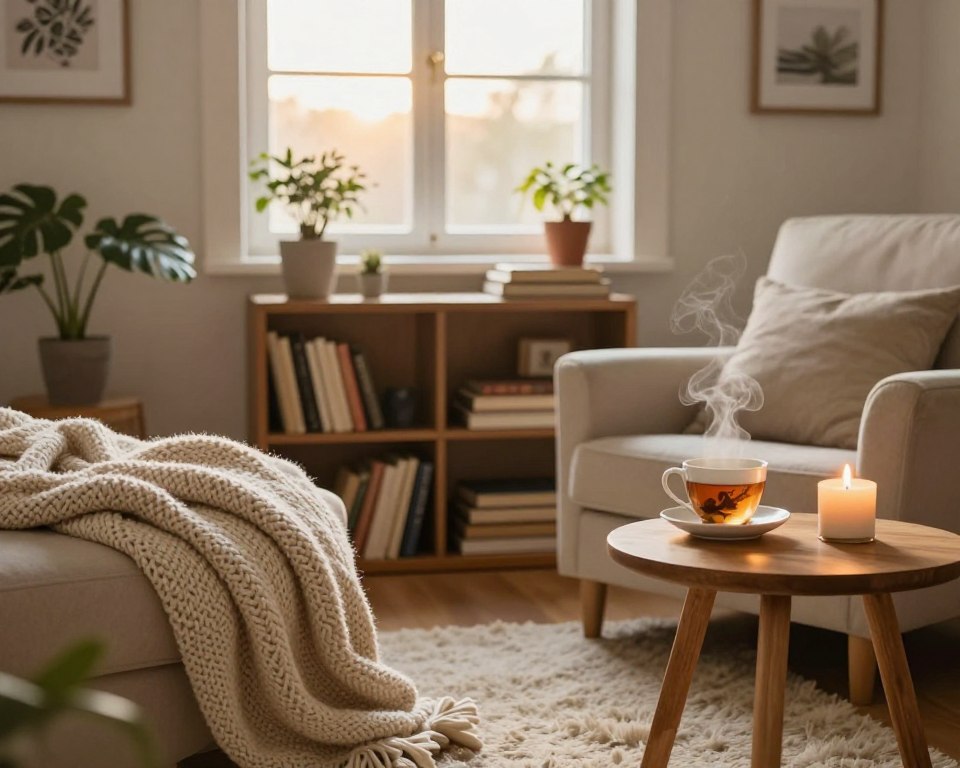
I swap harsh overheads for warm bulbs and keep a few candles nearby. In Denmark, candlelight is a big part of the mood, so I use candles safely: clear surface, short burns and a tray to catch wax.
When a candle isn’t practical I pick a low-watt lamp with a soft shade. The difference in a room is immediate.
Textures I reach for
A reliable blanket and two cushions change how a place feels. I add one soft layer underfoot if I can — a small rug does the job without fuss.
Creating a cosy nook
My hyggekrog is one chair, a reading light, a throw and a small shelf or table for a cup. That compact space invites me to sit and slow down.
Nature indoors and keeping it peaceful
I bring in a low‑care plant, a piece of wood or a woven basket. Natural fibres calm a room and need little attention.
- I declutter ten minutes at a time — one drawer or one surface — so the calm lasts.
Food and drink the hygge way (simple, warm, and shared)
A simple hot drink and a shared bowl can turn a busy evening into something calmer.
The everyday ritual
I make time for a proper cup of tea or coffee, poured into a favourite mug and drunk sitting down. Even five minutes of a cup tea pause helps me slow the pace. When I want extra comfort, I choose cocoa — rich, warmed milk and a square of chocolate on the side.
Comfort food that fits real schedules
My go-to meals are simple and low-effort. A slow-cooker stew bubbles away while I work. Quick soups, porridge for breakfast and the easiest fresh bread recipes mean warmth without a whole day in the kitchen.
Mindful indulgence without the guilt
I keep cake or chocolate as part of normal life, not a prize. A small slice shared with family or a couple of squares after dinner is enough. That way treats feel simple, not like something to beat myself up over.
Sharing that makes mealtime cosier
- Serve from one bowl sometimes — popcorn or stew invites people in.
- Use warm bowls and plates; they hold the heat and feel nicer.
- Eat at the table and put phones away for the few minutes you have together.
These small habits work on a Tuesday as well as a weekend. They keep food and drink honest, cosy and shareable, helping the whole family and friends feel a little more present.
Hygge activities that make a day feel softer
When the day feels loud, I reach for easy rituals that calm my pace. These are things that need little kit but make my home and head quieter.
Board games, puzzles and crafts instead of scrolling
I often swap a phone session for a simple board game or a puzzle. Games invite chat and small laughs. Crafts — knitting, a quick collage — give the hands something peaceful to do.
Reading a good book when I need my brain to quieten down
To start a good book I set a timer for 20 minutes and sit with a warm mug. Short, regular reading beats a big all-or-nothing plan. It helps me return to a book on noisy days.
Film nights that feel intentional
My film rules are simple: one blanket, one hot drink (tea or cocoa) and no multitasking. That way the night actually feels restful rather than another task.
Getting outside to reset
A walk in nature is one of the quickest ways to lift mood and lower stress. I head to a nearby park or street with trees and keep the pace slow. Fresh air often clears a cluttered head.
Small connection habits that build comfort
I call a friend with no agenda, write a short card, or plan a simple evening with family. These tiny acts add up and make shared time feel like a real break.
- Low energy (at home): a puzzle, a chapter of a book, or knitting.
- Medium energy (at home): a board game with people, baking, or a small craft.
- Outside: a short walk in nature, a slow coffee on a bench, or a park chat with a friend.
For more ideas on gentle, everyday routines see mindful habits that fit into busy living.
Conclusion
Here’s a short, realistic plan to bring gentle calm into your day-to-day routine.
I try to keep the concept simple: less rush, more presence and small comforts that steady life. Time is the real foundation. If the day is packed, calm rarely arrives.
Try one change in your home, one small ritual with a cup of tea or coffee, and one screen-free activity — a walk, a chapter of a good book, or a board game with friends or family. Keep it affordable: use an old blanket, a candle in a safe tray, or a cosy corner (a hyggekrog).
Make it a habit. Tiny, repeated routines beat a perfect day once a month. Tomorrow’s checklist: warm light, a hot drink, a simple shared snack, one phone-free hour and a short walk. Small steps add up to steady wellbeing and more calm.