
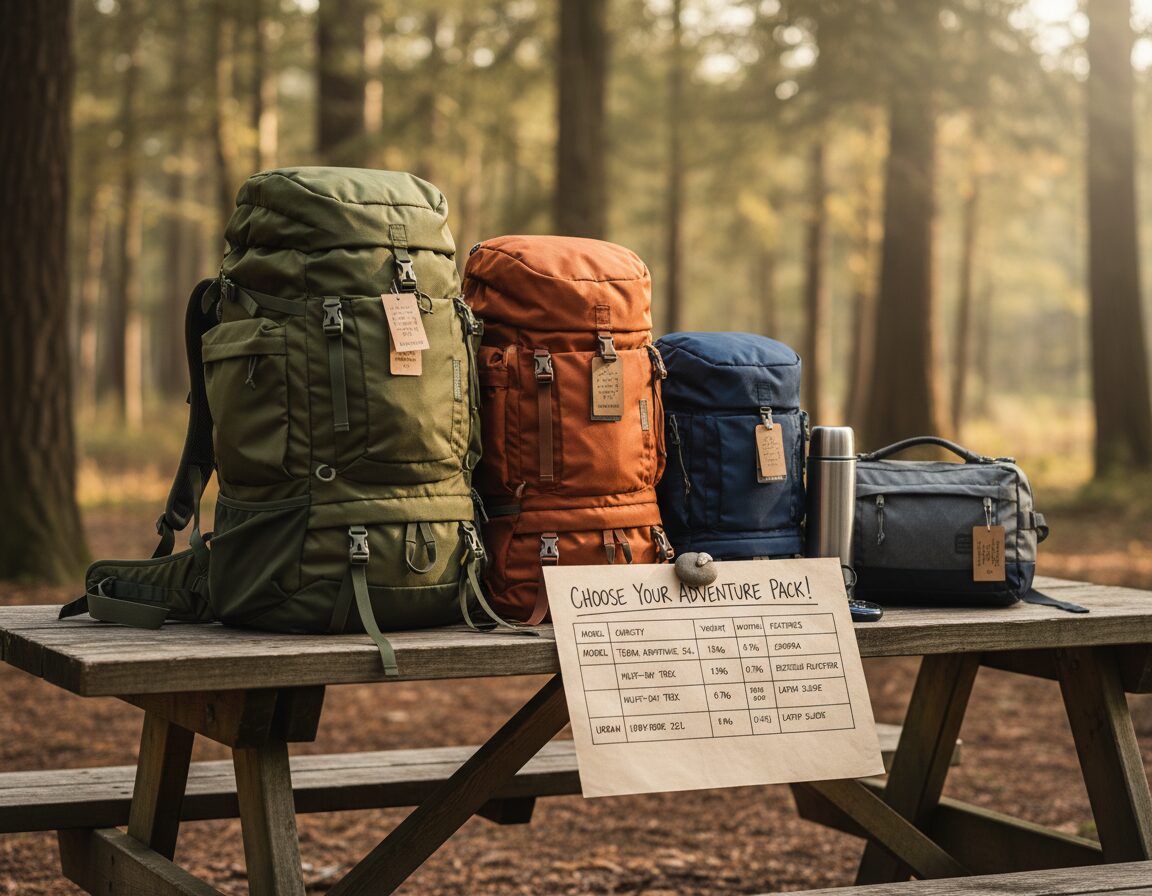
There’s a particular feeling of freedom when your kit feels like a part of you, not a burden you’re dragging around. I’ve learned this over ten years as a full-time travel blogger, where my backpack is my constant companion.
I’ve personally tested more than 60 different models. Every single one has been on a real trip, from city breaks to mountain trails. This isn’t about unboxing shiny new gear; it’s about knowing what works when you’re tired, it’s raining, and you need your bag to just perform.
Finding your perfect match is a deeply personal process. It’s a balance of weight, comfort, and the specific features that matter to your style of exploring. My goal is to cut through the noise of endless options. I want to help you find a reliable bag that makes your life on the road easier, whether you’re mastering how to pack light for a week-long trip or embarking on a longer adventure.
No single rucksack is perfect for everyone. The trade-offs between durability, weight, and organisation are real. By sharing my honest experiences, I hope to give you the clarity to select a travel companion that serves you well for years.
Key Takeaways
- Selecting a backpack is a personal decision that hinges on your unique travel style and needs.
- Real-world performance, tested on actual journeys, is far more valuable than manufacturer specifications.
- A crucial balance exists between a bag’s durability and its overall weight—you often sacrifice one for the other.
- The specific features, like compartment layout and access, must align with how you prefer to organise and access your gear.
- A well-chosen kit makes travelling significantly more comfortable and efficient.
- There is no universally “perfect” backpack; the best choice involves understanding and accepting key trade-offs.
- Consider your bag as a long-term investment for many future adventures.
Understanding My Travel Style and Needs
I started my journeys lugging around everything I thought I needed, a mistake that cost me comfort and cash. The real shift happened after I lived out of a single backpack for months. My style evolved from hauling heavy gear to prizing simple mobility above all.
Reflecting on Past Journeys
That experience was a teacher. Now, I fly between continents with just a carry-on kit. It saves a substantial £200-£300 per long-haul flight. Those savings add up over several trips, making a lightweight, airline-friendly bag a smart financial move.
Defining Essential Features
Your needs dictate the features. I always ask: do I need a dedicated laptop sleeve, or is a flexible main compartment better for my clothes? A kit perfect for a weekend city break often fails on a month-long Southeast Asia adventure. The right bag for the journey is key.
Think about your own past trips. Pinpoint where your luggage let you down. Was it poor organisation or a lack of comfort? That insight is your best guide.
| Trip Type | Priority Features | My Personal Lesson |
|---|---|---|
| Long-Haul Flight | Carry-on size compliance, weight | Saves hundreds on airline fees; mobility is king. |
| Weekend City Break | Quick-access pockets, sleek profile | Over-packing with a large backpack is a common error. |
| Extended Adventure (e.g., 1 month+) | Durable fabric, versatile organisation, comfort | A weekend bag is often inadequate; you need robust, adaptable kit. |
Key Features of a Reliable Travel Backpack
Zippers and coatings might sound dull, but they’re the unsung heroes that keep your belongings safe and dry. I judge a bag by these details first. They tell you more about its longevity than any sales pitch.
Look for YKK zippers. They’re the industry standard for a reason. I’ve seen #10 sizes on main compartments hold up for years. Smaller #5 zippers on pockets are just as crucial. A failed zip halfway through a journey is a nightmare you can avoid.
A Durable Water Repellent (DWR) coating is non-negotiable. It sheds light rain, protecting your tech gear from a sudden shower. This simple feature has saved my laptop more than once.
Internal organisation is just as vital. A well-designed bag has a smart balance of pockets. You need quick access for a passport, but deep, secure spaces for your main kit. It stops you digging through everything to find one item.
Investing in robust construction pays off. Strong seams and quality fabric mean your bag survives the rough and tumble. It’s about peace of mind, knowing your gear is secure.
| Feature | Why It Matters | My Real-World Take |
|---|---|---|
| Zipper Quality | Secures your main compartment; prevents failures. | YKK #10 zippers have never let me down, even under strain. |
| Weather Resistance | Protects electronics and clothes from light rain. | A DWR coating is essential for UK weather and unexpected showers abroad. |
| Internal Layout | Keeps items organised and accessible. | A mix of quick-grab and deep-storage pockets is the perfect combination. |
Choosing Travel Backpacks: Balancing Simplicity and Functionality
A common pitfall I see is getting seduced by a kit with every conceivable feature. The most elegant solutions I’ve used strike a delicate balance. They offer functionality without the trap of unnecessary complexity.
Take complex modular systems as an example. They can look impressive in promotional videos. In reality, I’ve found they often add bulk and reduce your actual packing space. It’s a trade-off that rarely pays off on the road.
Having a multitude of pockets sounds great in theory. My experience tells a different story. With more than six distinct compartments, I frequently forget where I stored smaller items. A clean, minimalist layout is far more efficient for my brain and my gear.
I prefer a design that lets me pack efficiently. It shouldn’t force me into a restrictive system created by the manufacturer. This freedom is crucial for adapting to different journeys.
Ultimately, a smart design that prioritises usability wins every time. This is especially true when you’re navigating a bustling airport or a crowded train station. Simple, intuitive access beats feature overload hands down.
Material Matters: Fabric Choices and Durability Considerations
The material of your backpack isn’t just about looks; it’s the first line of defence against the rigours of the road. I judge a kit by its fabric before anything else. It tells me how many adventures it might survive.
When evaluating materials, I look for high-denier fabrics. Ballistic nylon is a favourite. Originally used in flak jackets, it offers incredible tensile strength for long-term travel durability, though it can add weight.
Ripstop nylon is another excellent choice. Its unique square weave was developed during WWII for parachutes. If the material gets a small puncture, this weave prevents further tearing.
I tend to avoid polyester on high-end packs. It’s generally less durable and heavier than quality nylon alternatives. The quality of the materials used directly determines how well your bag holds up to daily abuse.
I always check the denier rating. But I also consider the weave and manufacturing process. These factors are often more indicative of the bag’s overall strength than a number alone.
Weight and Size: Finding the Perfect Carry-On for Your Trip
Managing your load effectively starts with understanding the core numbers: weight and dimensions. These two factors influence your comfort more than almost anything else. I’ve felt the strain of an overly heavy kit and the freedom of a perfectly sized one.
A good rucksack often weighs between two and four pounds empty. That’s significantly lighter than a traditional suitcase. Keeping your empty bag’s weight low is crucial. It leaves more of your precious airline allowance for your actual gear.
For true one-bag mobility, I recommend staying under 50 litres in capacity. A smaller carry-on size, ideally around 35L to 40L, is a sweet spot. It forces you to pack efficiently and makes navigating the Tube or a busy bus station much simpler.
Carrying a lighter bag means I can move faster through airport terminals. I avoid the annoyance of waiting at baggage carousels after a long flight. Every single pound counts when you’re walking across cobblestone streets or climbing several flights of stairs to a rental flat.
I always check a bag’s dimensions before I buy it. You must ensure it complies with the requirements of the airlines you use regularly. This simple step saves hassle and potential fees, making your journey smoother from the start.
Organisation and Compartments for Modern Travellers
Internal layout is where a backpack proves its worth, moving from a simple sack to a personalised storage system. It’s the difference between a smooth journey and a daily labour of digging for your things.
Laptop and Tech Storage Solutions
A dedicated laptop compartment is non-negotiable for my work. I need that section to be well-padded and separate for security. Some designs, like the Pakt Travel Backpack, sandwich this compartment in the middle of a split main section. This keeps your tech safe from bumps and makes airport security checks far less stressful.
Pockets, Packing Cubes and Easy Access
Internal pockets need to be intuitive. The Cotopaxi Allpa uses clever mesh panels to keep items in place. This smart design can sometimes eliminate the need for extra organisers.
When I do use packing cubes, they revolutionise my kit. They compress my clothes and create order within the main cavity. It stops everything from becoming a jumbled mess.
I love a bag that offers easy access to a passport or phone. A quick-grab pocket means I don’t have to open the entire rucksack in public. Whether you prefer a clamshell or top-loader, your compartment choice dictates the flow of your entire trip.
Adjustability and Comfort: Shoulder Straps, Hip Belt and Back Panel Insights
After miles of walking, I’ve realised that the most critical features are the ones you feel, not just see. A kit can have perfect pockets, but if it doesn’t sit right, your entire journey suffers. The right harness system makes all the difference.
Models like the Osprey Farpoint 40 get this right with a ribbed back panel and a height-adjustable harness. For taller folks, a bag like the Salkan, with its fully adjustable harness, is vital. It’s about matching the kit to your unique frame.
Finding the Right Shoulder Straps
Your shoulder straps need to be wide and contoured. This design spreads the load evenly across your body. It stops that awful digging sensation during a long walk across a city.
The Importance of a Well-Padded Back Panel
A well-padded back panel is non-negotiable for carrying your kit for more than a few minutes. It provides crucial support and ventilation.
Pair this with a supportive hip belt. A good one transfers most of the weight from your shoulders to your hips. This is a genuine game-changer for your overall comfort.
I always look for load lifter straps too. They let you pull the top of the backpack closer to your body. This adds stability on uneven paths. If you’re not average height, a height-adjustable harness ensures the bag fits your frame perfectly.
Demystifying Technical Jargon: Denier, DWR and Zipper Quality
The difference between a kit that lasts for years and one that fails often comes down to three simple things: denier, DWR, and zipper quality. Once you know what they mean, reading a spec sheet becomes much less daunting.
Denier measures fabric thickness. A higher number means a heavier, more durable material. For a rough city break, I’d look for a high-denier bag. For a lightweight summer trip, a lower number makes more sense.
DWR is a coating that makes water bead up and roll off. It’s brilliant for a sudden shower. Remember, it’s water-resistant, not waterproof. Don’t expect it to survive a full submersion.
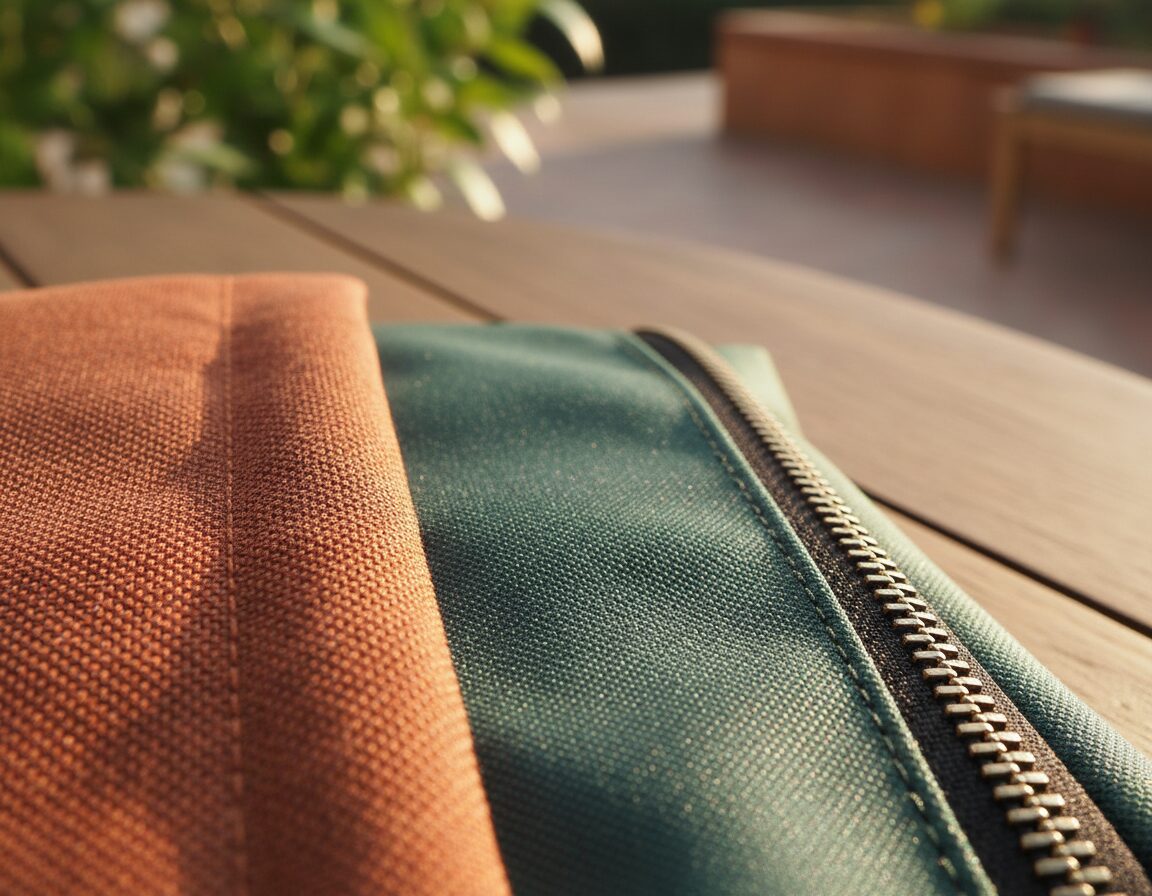
When I see YKK zippers, I know the maker cares about quality. They produce half the world’s zippers for a reason. I always check the zipper pulls. Off-brand ones are usually the first thing to break on a cheaper bag.
| Term | What It Means | Why It Matters |
|---|---|---|
| Denier | The weight/thickness of the fabric fibres. | Helps you match the material’s toughness to your journey’s demands. |
| DWR (Durable Water Repellent) | A coating that sheds light rain and spills. | Protects your gear from everyday moisture without the bulk of a fully waterproof bag. |
| YKK Zippers | The industry-standard for reliable zipper hardware. | A strong indicator of overall build quality and long-term reliability. |
Focus on how these features work in real life. That knowledge is far more useful than any list of technical specs.
Reviewing Real-World Experiences in Backpack Testing
Six weeks island-hopping in the Canaries taught me more about the Salkan backpack than any spec sheet ever could. That’s my method for every proper review.
I believe you must take a kit on a real trip. You need to see how it handles being stuffed full and bumped around in transit. My assessment is based on actual usage, not a studio unboxing.
During that long journey, I saw how the bag performed in both sunny and rainy conditions. Some features look great in promotional shots but prove cumbersome on the move.
Complex strap systems are a classic example. They often add fuss when you just need to get going. A real-world test reveals these truths.
| Feature Check | Studio Assessment | Real-World Test |
|---|---|---|
| Strap System | Looks adjustable and technical. | Can be fiddly and slow when you’re in a hurry. |
| Weather Resistance | DWR coating listed on spec sheet. | How well it sheds a sudden downpour during travel. |
| Internal Organisation | Pockets appear logical and ample. | Can you find your passport quickly in a crowded airport? |
By sharing these experiences, I aim to give you a realistic expectation. You’ll know how a backpack will behave when you’re actually on the road.
Comparing Top Brands: Osprey, Peak Design and More
My kit drawer holds a history of my journeys, and two brands consistently rise to the top for very different reasons. Comparing them isn’t about crowning a single winner. It’s about understanding their design philosophy and matching it to your own needs.
Insights on Osprey Farpoint and Fairview Models
For years, the Osprey Farpoint 40 has been my top pick for budget-friendly adventure. Its excellent suspension system makes a heavy load feel manageable. At just 1.6kg, it’s a brilliantly light bag that leaves room in your airline allowance.
I still consider it one of the best travel options for its price. The Fairview is essentially the same model. It’s designed with a fit that many find more comfortable.
In contrast, my Peak Design 45L has been my main luggage for five years. Its innovative design and tough 400D nylon shell have seen countless flights. This bag is my go-to for business and city trips.
Its sleek aesthetic and modular organisation are incredibly well thought out. The choice often comes down to priority. Do you want the rugged, comfort-focused build of Osprey, or the tech-savvy, urban design of Peak Design? Both are excellent best travel companions in their own right.
Versatility for Urban and Outdoor Adventures
I’ve always valued gear that refuses to be pigeonholed. A great bag should feel just as appropriate in a bustling metropolis as it does on a remote footpath.
This is why I admire designs like the Peak Design Outdoor line. It was created to bridge the gap between tech-focused packs and traditional hiking models. A truly versatile bag looks at home in a coffee shop yet is durable enough for a spontaneous countryside trek.
When I’m on a trip, I want to carry my camera gear and laptop during the day. Later, I should be able to head out camping without swapping my entire backpack. That seamless transition is the ultimate test.
Versatility is key for my style. I prefer owning one high-quality kit that handles many scenarios. It’s better than a closet full of specialised gear I rarely use.
A clean, minimalist aesthetic is crucial. Your bag shouldn’t scream “tourist” when you’re walking through a busy city centre. This thoughtful design lets you blend in, whether you’re navigating urban streets or a hiking trail.
Airline Carry-On Requirements and True Volume Explained
A bag’s advertised capacity is one thing, but the ‘true volume’ you can actually use is what matters on the road. I’ve learned this is a much better metric than the litre size on the tag.
Some kits are shaped in ways that make packing a puzzle. A trapezoid design might look sleek, but it wastes precious space in the corners. A simple rectangular bag will nearly always hold more, even if they’re both sold as 40L.
Models like the Patagonia Black Hole MLC 45L are cleverly designed to maximise the space you can legally take on a plane. This focus on efficient shape is key.
Understanding Max Legal Carry-On Limits
Always check your airline’s specific carry-on size rules. They vary a lot between budget carriers and long-haul flights. Getting this wrong can lead to a nasty fee or a last-minute gate check.
My advice is simple: use a backpack that comfortably fits within the strictest limits you expect to face. It avoids all that stress. The skill of packing to maximise every inch saves you time and money on every single trip.
Mastering your bag’s real capacity and the airline’s rules is a game-changer. It guarantees your kit comes with you, freeing you from the baggage carousel.
Balancing Price and Quality in Your Backpack Investment
Let’s talk about money – a higher price tag doesn’t always mean a better bag, but a very low one is almost always a warning sign. I view a good rucksack as a long-term investment.
The price often directly reflects the quality of fabrics and the care in manufacturing. I’ve learned that a very cheap kit usually cuts corners.
It might save you cash now. A broken zip on a trip, however, costs more in stress. A slightly higher initial outlay typically means a bag that serves you well for years.
The Cotopaxi Allpa is a great example of best-value gear. It offers a durable, clever design at a more accessible price point than many premium brands.
I always think in terms of cost-per-use. If a bag lasts five years across dozens of journeys, the per-trip cost is tiny. That investment also protects your other gear from loss.
You can be smart about it. Look for sales on previous-season models. Patience can land you best travel kit at a discount, just like finding those essential must-have travel gadgets on offer.
Tips and Tricks from My Decade of Travel Experience
My decade of travel has distilled into a handful of simple, practical habits that make every journey smoother. The biggest one? Pack less than you think you need. I’ve learned that less is almost always more. You can nearly always find laundry services on the road.
A clever trick I use is wearing a small sling on my front with my main backpack on my back. This increases your carry-on capacity without breaking airline rules. It keeps essentials like a passport and phone handy for boarding.
Think of your bag as your home while you’re away. Take the time to organise it in a way that mirrors your daily routine. Always keep vital documents in an easy-reach pocket to avoid fumbling at security.
I make a habit of checking all zippers and straps before I leave home. This quick pre-trip inspection ensures everything is in good order. These small rituals transform packing from a chore into a confident start to any adventure.
How to Maintain Your Travel Backpack for Long-Lasting Use
Cleaning and storing your gear properly is the secret to getting a decade of use from it. I treat my backpack like a trusted piece of kit, not disposable luggage. A little care between trips makes a huge difference.
For general cleaning, a damp cloth and mild soap usually does the job. This gentle approach keeps the materials in good condition over time. It’s much better than harsh chemicals.
I always wipe my bag down after a long journey. This removes ground-in dirt and salt, which can degrade fabrics if left. It’s a five-minute task that adds years of life.
If your zippers start to feel sticky, don’t force them. A tiny bit of graphite or a specialist lubricant works wonders. It makes them run smoothly again, preventing a potential failure on your next travel day.
I avoid machine washing my travel bags. The agitation can damage internal frames and protective coatings. Regularly check seams and straps for wear. Catching a loose thread early stops a major repair later.
Storage matters too. Keep your backpack in a cool, dry place away from direct sun. This prevents the fabric from fading and the materials from breaking down. Don’t just shove it in a damp attic.
| Maintenance Task | How To Do It | Why It Helps |
|---|---|---|
| Cleaning | Use a damp cloth with mild soap; wipe surfaces. | Removes corrosive dirt and preserves fabric coatings. |
| Zipper Care | Apply a small amount of graphite or lubricant if stiff. | Ensures smooth operation and prevents jamming or breaking. |
| Storage | Store in a cool, dry cupboard, not in sunlight. | Prevents UV damage, colour fading, and material degradation. |
This simple routine is an investment. It ensures your favourite travel backpack stays with you for many more adventures. Looking after your bag means it’s always ready for the road.
Conclusion
Ultimately, your journey with a new bag begins the moment you zip it up and head out the door. My aim was always to help you find a reliable companion for those first steps and the thousands that follow.
I hope my real-world tests give you the confidence to pick a kit that fits your way of exploring. The perfect balance of comfort, organisation, and durability looks different for everyone.
Thank you for reading. I wish you many happy miles with your new backpack. Here’s to your next adventure.