
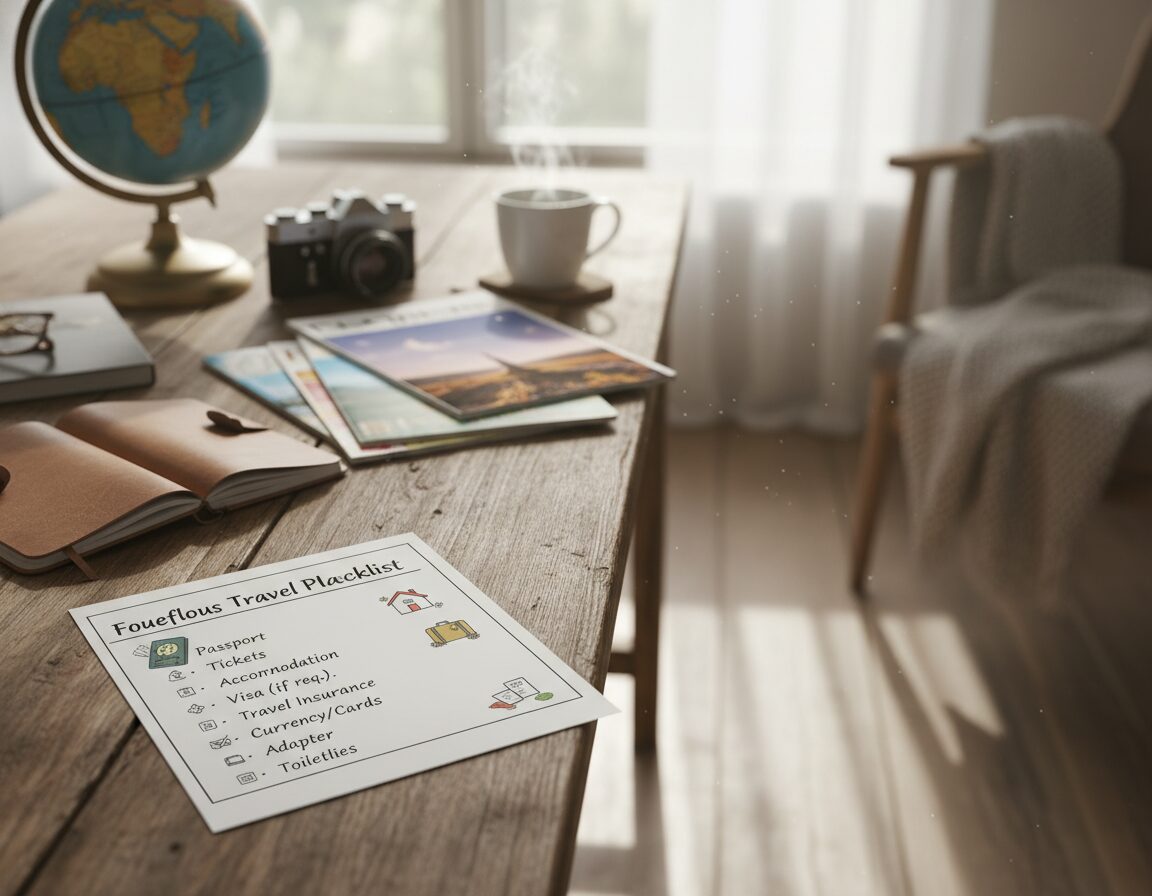
Imagine setting off on your next adventure with a calm mind, knowing every detail is sorted. My personal travel planning checklist has been my secret weapon for years, turning potential pre-holiday chaos into simple, organised steps.
I’ve spent ages refining this method. I believe a major holiday deserves at least six months of careful preparation to get everything just right.
This guide is born from that real-life experience. It’s designed to help you, whether you’re a seasoned globetrotter or packing for your very first getaway.
We’ll break the whole process down into logical, manageable stages. The goal is to replace anxiety with excited anticipation.
A solid plan is the ultimate tool for any traveller. It lets you sidestep last-minute panics and focus completely on making memories.
Key Takeaways
- Begin preparing for a significant holiday at least six months in advance.
- A structured guide breaks a complex process into simple, logical steps.
- Early organisation significantly reduces pre-departure anxiety.
- The right approach makes the build-up to a journey just as enjoyable as the trip itself.
- A personal checklist is a vital tool for avoiding last-minute stress.
- This method is adaptable for both experienced and first-time travellers.
- Focus on creating memories, not managing chaos.
Why I Trust My Approach to Vacation Planning
My confidence in this method isn’t just theory—it’s built on a history of journeys that went smoothly because of it. I’ve seen firsthand how a little forethought transforms potential stress into pure enjoyment.
Reflecting on Past Experiences
Looking back at my past trips, the most memorable ones were always the best organised. I realised that sweating the small stuff upfront meant I could relax completely when I got there.
Unexpected events are part of any adventure. But with a considered strategy, they become minor detours, not trip-ruining disasters.
Fostering a Stress-Free Mindset
This approach lets me cultivate a genuinely calm attitude. Knowing I’ve accounted for hiccups means my mind is free to soak up the destination.
My key tip is simple: preparation breeds confidence. When you’re not worrying about logistics, you’re fully present to enjoy the experience.
Sharing this wisdom helps others sidestep common frustrations. It turns a dream vacation into a reality you can actually savour.
Setting the Vision for Your Next Adventure
I’ve learned that the most rewarding journeys stem from a well-defined vision, not just a random pin on a map. This initial dreaming phase is my favourite part. It’s where the real excitement begins.
A good rule of thumb is to allow at least six months to research and prepare for a major holiday. This gives you the space to really consider what you want.
Researching Destinations
When I look into potential spots, I spend significant time asking one key question. Does this location match the feeling I’m after?
My research isn’t just about sights. It’s about atmosphere, pace, and local flavour. For complex itineraries, a guide on organising a multi-destination European trip can be a brilliant help.
Defining My Vacation Style
Am I craving deep relaxation or energetic exploration? Defining this early directs everything. It tells me if I should seek out a quiet beach or a bustling city.
Having a clear plan for my goals sharpens my focus. It effortlessly narrows a long list of options to the one perfect fit.
Taking this time means I don’t just pick a place. I choose an experience that truly suits my needs.
My travel planning checklist essentials
Over the years, I’ve found that a one-size-fits-all packing list is a recipe for frustration. The real strength of my system is its built-in flexibility.
Essential Items to Consider
I always start with my non-negotiables. These are the items I simply cannot function without, no matter where I’m going.
For me, that means specific medications and a reliable universal power adapter. Your own comfort essentials will be different, but identifying them is the first practical step.
Customising for Every Trip
This is where the magic happens. I keep a master list on my phone and review it before each departure.
I ask myself simple questions. Will I need a raincoat or just sun cream? Are there any cultural considerations for my attire? This quick review tailors my packing perfectly for that specific journey.
It stops me from overpacking and ensures I never forget vital gear. It turns a generic list into a personal toolkit for the adventure ahead.
Gathering and Organising Vital Travel Documents
Before you even think about packing a bag, your focus must be on the official bits and bobs. Getting these documents sorted is the ultimate stress-buster.
Passport, Visa and Documentation
My golden rule is to check your passport validity first. Many countries require at least six months remaining. I can’t emphasise this enough—it can stop you boarding.
If you need to renew, start at least two months before you leave. For a first-time application, allow three months. This gives you a comfortable buffer.
Research visa requirements early too. Official government websites are your best source for this critical information.
Digital Backups and Emergency Contacts
I always photograph my essential documents. I store them in a secure, password-protected cloud folder. This means I can access them from anywhere if originals are lost.
It’s also wise to have a physical paper copy. Include your emergency contact details and key policy numbers. Keep this separate from your main wallet for safety.
This simple habit I swear by turns a potential crisis into a minor hiccup.
Ensuring Health, Safety, and Insurance Readiness
My peace of mind abroad hinges on two things: my physical health and knowing I’m covered if things go wrong. This isn’t about paranoia—it’s about smart, practical care that lets me relax completely.
Vaccinations and Health Precautions
I always consult the CDC Travellers’ Health web pages before a new international trip. It’s my first stop for official advice on necessary jabs and current disease outbreaks.
This research is a non-negotiable part of my routine. Being prepared for potential health risks means I can focus on enjoyment, not worry.
Emergency Kits and Insurance
Investing in comprehensive travel insurance is absolutely essential. It protects against unexpected medical costs or trip cancellations, forming the backbone of my safety net.
I also pack a small kit with plasters, pain relievers, and any personal meds. For a comprehensive approach, especially for a family getaway, reviewing all bases is wise. Double-check that your insurance is active and you understand the policy. This fundamental step safeguards your personal safety and turns a potential crisis into a manageable event.
Planning Transportation and Local Mobility
How you’ll move around your destination is just as important as choosing the destination itself. I’ve learned that sorting this out early saves a huge amount of hassle and cash.
Taking some time to research local options before you go is a game-changer. It means you can hit the ground running.
Navigating Local Transport Options
My strategy is straightforward. I look up the main public systems—like metros, trams, or buses—on the city’s official transport website.
For shorter journeys, I weigh up the convenience of a taxi against the value of a transit pass. This helps me manage my daily budget effectively.
On longer trips across a region, I always check for tourist passes. These can cover trains and buses between cities, making the whole experience much smoother.
| Transport Type | Cost | Convenience | Best For |
|---|---|---|---|
| Public Transit | Low | High (with planning) | Daily city exploration |
| Taxis & Rideshares | High | Very High | Late nights or heavy bags |
| Multi-City Passes | Medium (upfront) | Very High | Regional journeys and multiple stops |
Mapping this out in advance ensures you’re never stranded. It turns complex transportation networks from a puzzle into a simple part of your adventure.
Strategising Packing and Luggage Decisions
I treat my suitcase like a puzzle; every item has its place, and the right strategy makes everything fit without a fuss. This part of the preparation is where smart planning really shows its value.
Getting your luggage choice right from the start makes the whole process smoother. It sets the stage for an organised departure.
Choosing the Right Luggage
I personally favour a durable, versatile bag that can handle different terrains. Selecting one that meets airline carry-on rules is a brilliant time-saver at the airport and cuts down on travel stress immensely.
My strategy begins by laying all my potential items out on the bed. I then consult a detailed list to ensure I only pack what’s truly needed. Using compression cubes has revolutionised my packing, letting me fit more into my bag while keeping every item neatly organised.
This efficient approach stops overpacking before it starts. It turns a daunting chore into a satisfying step, ensuring you begin your trips feeling calm and completely prepared.
Co-ordinating with Travel Companions
Coordinating with your companions isn’t just about logistics; it’s about nurturing the group’s harmony from the start. Getting this right transforms a simple trip into a truly shared adventure where everyone feels heard.
Aligning with Travel Companions’ Expectations
I’ve found that a candid chat well before you leave is absolutely vital. Discuss your budget, desired pace, and must-do activities openly. This early honesty saves a huge amount of time and frustration later on.
Aligning on a loose daily plan is my next step. It doesn’t need to be rigid, but having a shared idea prevents minor niggles. It ensures everyone has a wonderful time and feels included.
Clear communication about accommodation style and dining choices is part of this too. Setting these expectations early is the best way I know to maintain a positive dynamic. It lets you all focus on the joy of the experience, not the faff.
Preparing Your Home and Work for Your Absence
Leaving for a getaway involves more than just packing a suitcase; it’s about creating a secure and orderly environment to return to. I find this step for my home is just as important as any other in my travel routine.
Knowing everything is sorted lets me switch off completely. It turns potential worry into genuine relaxation.
Securing Your Home and Managing Work
My home security ritual is simple but thorough. I always lock all windows and double-check my alarm system. Asking a trusted neighbour to collect my post is a brilliant move—it keeps the place looking lived-in.
I also take a few minutes to unplug non-essential electronics. This small act saves energy and gives me extra peace of mind for the entire vacation.
On the work front, I aim to wrap up key projects ahead of time. Clearing my desk before I go eliminates that nagging feeling of unfinished business.
Setting a clear out-of-office email response is my final professional task. It manages colleagues’ expectations and allows me a proper break. This careful preparation ensures my travel is truly stress-free.
Optimising Last-Minute Preparations
My predeparture ritual is a focused, quiet hour dedicated to crossing the last items off my list. This is where I translate weeks of organising into actionable, final steps. It’s a calm process that guarantees nothing is left to chance.
Final Predeparture Checks
I run through a short mental list the evening before I leave. This final review is my safety net, catching any small oversights.
The core things I always verify are:
- My essential documents – passport, tickets, and insurance details – are in my carry-on.
- My phone charger and a portable battery are packed and ready.
- I’ve reconfirmed my flight times and terminal.
- Any necessary journey management apps are downloaded and logged into.
Taking this time to be systematic stops that nagging “did I forget something?” feeling. Having a simple checklist for these final tasks prevents the fluster that can creep in.
It means I walk out the door with total confidence, ready to begin the adventure.
Timing Your Pre-Departure Checklist Effectively
I’ve discovered that the secret to a serene departure lies in how you use the seven days leading up to it. Rushing the final bits and bobs is a sure route to pre-holiday stress.
My simple method is the 7-day predeparture strategy. It’s a proven way to feel completely ready without that overwhelmed feeling.
The 7-Day Predeparture Strategy
This approach breaks your final to-dos into small, specific steps spread across a week. You might confirm transport one day and pack your carry-on the next.
Dedicating a little time each day to your list keeps everything moving smoothly. It means you’re never facing a huge, daunting job the night before you leave.
Adjusting Sleep for Jetlag
A vital step in these final days is gently shifting your sleep pattern. If you’re heading east, try going to bed a bit earlier each night.
This gradual adjustment helps your body cope with the new time zone. It’s a game-changer for hitting the ground running, whether it’s a beach holiday or a seasonal getaway.
Starting these steps early with a clear plan for your final week makes the whole travel process calm and organised. You walk out the door feeling prepared, not frazzled.
Leveraging Travel Apps and Online Resources
I rely on a handful of brilliant digital helpers to turn the complex job of organising a getaway into a simple, streamlined process. Using the right technology has become a cornerstone of my preparation, making my trips richer and far less fiddly.
Utilising Travel Apps for Organised Planning
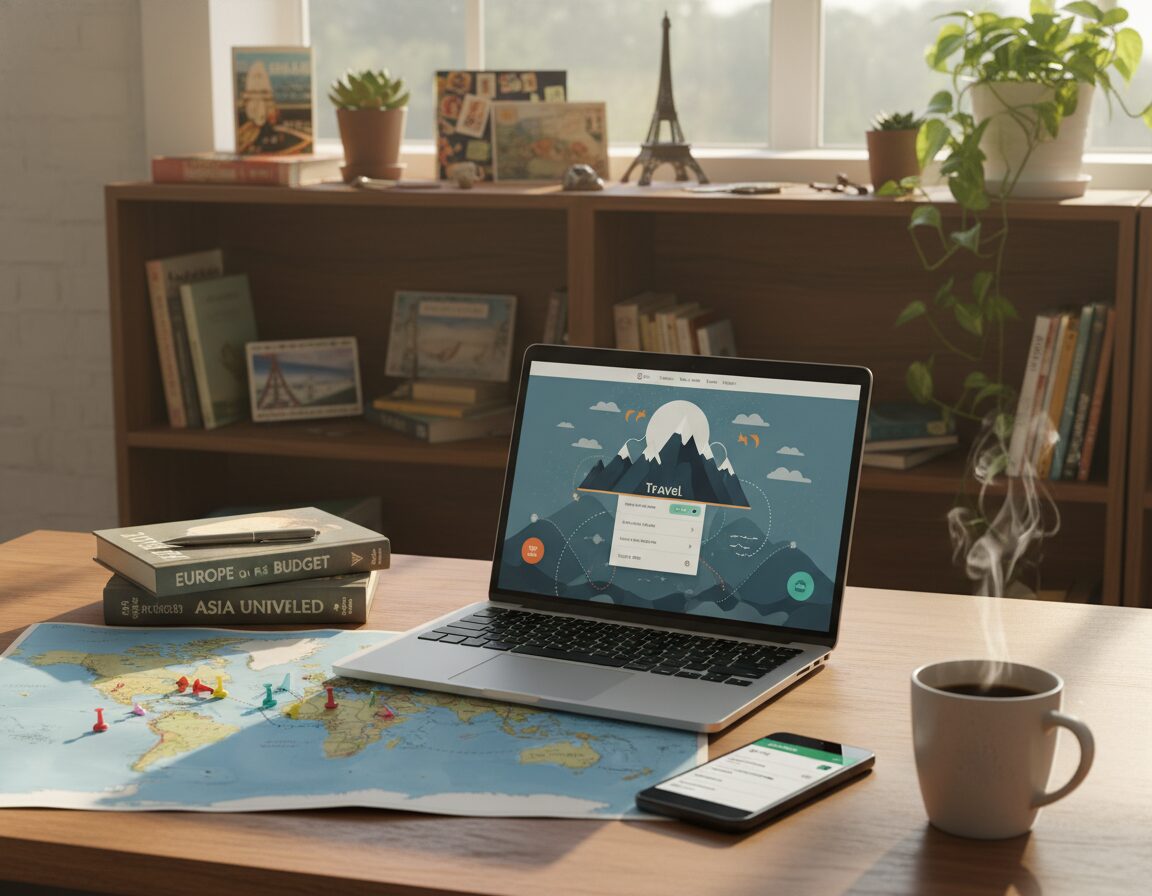
For keeping all my reservations in one spot, I swear by a dedicated itinerary app. Wanderlog, for instance, lets me seamlessly add flight details, hotel confirmations, and even restaurant bookings. Having everything in a single, accessible place is a game-changer.
Online resources are just as vital for me. I find they offer invaluable information on local etiquette and those special spots most guidebooks miss. This knowledge genuinely shapes my experience for the better.
Leveraging these tools is a modern way to simplify the whole travel process. They keep digital copies of my documents secure and ready. I always ensure my chosen app is fully updated before I leave, guaranteeing a reliable companion throughout my journey.
Conclusion
Think of this guide not as a rigid rulebook, but as a trusted companion that has walked this path with you. You’ve now got all the steps to move from dream to departure with genuine confidence.
That confidence comes from a solid foundation. Securing the right insurance, organising your vital documents, and checking the weather are the bedrock of your safety and peace of mind. Simple acts, like keeping your phone charged, turn potential worries into non-events.
This careful planning is your ticket to a richer vacation. It’s the space where you can truly soak up every moment. I hope these tips empower you to explore freely, knowing you’re prepared. Here’s to your next wonderful experience.