

I began changing how I buy and use products because I wanted cleaner skin and less waste. My Sustainable Skincare Routine is what I use daily to cut packaging and still keep my skin calm.
I set realistic steps that I could keep. I audit what I own, simplify my products, swap single-use items and then choose better packaging and sourcing.
I live in the UK, so I focus on what actually works with local council recycling and common labels. I avoid DIY or heavily fragranced swaps where they might cause irritation or make me skip SPF.
Key Takeaways
- Small, steady changes beat a full overhaul for lasting results.
- Refill systems can cut packaging emissions significantly over time.
- Start with an audit, then simplify, swap disposables, and refine packaging.
- Watch for irritation—safety and sun protection matter as much as impact.
- Tips are tailored to UK recycling, labels and what’s easy at home.
What I mean by “sustainable skincare” (and what I ignore)
My approach focuses on choices that lower my household impact while protecting my skin barrier. I use simple rules, not labels, to judge products. That keeps decisions honest and practical.
Reducing waste without wrecking my skin barrier
I won’t force swaps that make my skin tight, sore or reactive. Damage leads to more buying and more waste, so gentle performance matters as much as low-waste claims.
Looking beyond “natural” claims to real impact
By “sustainable skincare” I mean choices that reduce my overall impact on the environment and planet. It is a direction, not a perfect badge to earn.
- I ignore vague words like “natural” or “clean” with no sourcing or packaging data.
- I check packaging materials, refill options and ingredient transparency.
- Practical rule: the most sustainable product is often the one I already own and can finish safely.
I stay honest about trade-offs. Glass can up shipping emissions. Refills help when they truly replace many bottles. I choose what reduces waste while keeping my skin calm.
How I audit my current skincare shelf before buying anything new
I start each refresh by laying out every bottle and tube so I can see what I actually use.
What I use up first
First, I group items by step: cleanse, treat, moisturise and SPF. Then I check dates and whether a product is open. I prioritise things close to expiry and ones I reach for every day.
What I stop using immediately
I stop any product that stings, worsens redness or keeps breaking me out. That kind of irritation costs more in the long run.
How I avoid binning products my skin doesn’t love
If something doesn’t suit my face, I look for other uses. Often a face cream becomes a hand or body moisturiser. If it’s hygienic, I offer it to a friend or family member instead of throwing it away.
- Quick audit method: pull everything out, sort by step, and mark what’s active in your rotation.
- Note habit: jot down what irritated you and why — over‑exfoliation, fragrance or too many actives — it saves time and money later.
- No backups: I don’t buy a new product until I’m close to finishing the current one. Half‑used tubs used to cause most of my waste.
My Sustainable Skincare Routine: the simple structure I stick to
I follow a short, practical structure each day to protect my skin and cut clutter. It keeps decisions quick and helps me avoid impulse buys.
Cleanse
I pick a cleanser that removes SPF and makeup without stripping oils. Cleansing balms or oils work well and replace disposable wipes.
That protects the barrier and stops me reaching for extra fixes later.
Treat
I only use targeted actives when I need them. One consistent product beats rotating many serums.
Fewer actives mean less irritation and fewer half-empty bottles on my shelf.
Moisturise
I choose a versatile moisturiser that suits summer and winter. One jar that works across seasons reduces surplus products.
Protect with SPF
Daily SPF is non-negotiable. Treating sunscreen as essential cuts “panic buys” and limits expired tubes.
| Step | What I use | Why it helps |
|---|---|---|
| Cleanse | Cleansing balm or gentle gel | Removes makeup and SPF without over‑drying |
| Treat | Single active (eg. vitamin C or retinol) | Less irritation, fewer products to store |
| Moisturise | All‑season cream | One jar covers most needs, cuts waste |
| Protect | Everyday SPF | Fewer replacements and healthier skin long term |
- Quick checklist: cleanse, treat only if needed, moisturise, apply SPF.
- Keep steps short — the whole process takes minutes.
- These small ways of simplifying save products, time and money.
Choosing fewer products to cut waste and still get results
I found that fewer, better-chosen products gave me clearer results and less fuss. Cutting back is not about strict rules; it is about what actually works for your skin and cupboard.
Why a minimalist approach usually works better for me
Using fewer items reduces ingredient clashes and irritation. I can track what helps and what harms much more easily.
Less is clearer: fewer actives means I actually see which product is responsible for improvement.
Multi-use products that genuinely earn their place
I only call something multi-use if it replaces at least one other step I would keep. Marketing claims don’t count.
- A balm that doubles as makeup remover and cleanser saves wipes and a bottle.
- A rich moisturiser that works as a night cream removes the need for an extra pot.
- An oil that treats dry patches and layers under SPF can replace separate serums if my skin tolerates it.
| Product type | Real use | Why it earns a place |
|---|---|---|
| Cleansing balm | Removes makeup + cleanses | Replaces wipes and a second cleanser; less packaging |
| All‑season moisturiser | Day and night use | One jar covers multiple needs; fewer purchases |
| Face oil | Moisturise and spot treatment | Can replace a special body oil or serum for dry patches |
| Everyday SPF | Daily protection | Prevents reactive breakouts and reduces reactive buying |
The main difference I noticed was practical: my bathroom shelf stayed stable and I stopped buying reactively when my skin wobbled. A simple boundary helps — if an item doesn’t fit into cleanse, treat, moisturise or SPF, I rarely need it.
Switching from face wipes and disposable cotton to reusables
I stopped buying disposable pads once I found a balm that melts makeup without stripping my skin.
Why wipes are a problem and how they affect skin
Face wipes create a lot of household waste and are often single‑use. Many contain alcohol or harsh ingredients that left my skin tight and reactive.
They also tend to leave residue, which made me use a second cleanse more often. That doubled product use and cost.
What I use instead: cleansing balm or oil cleanser
I start with a small scoop of balm or a pump of oil. I massage it into dry skin to lift makeup and SPF, then emulsify with warm water.
If my skin is heavily made up I follow with a gentle second cleanse. To avoid breakouts, I rinse well and pick a mild follow‑up cleanser.
Reusable organic rounds: what I look for and how I wash them
I choose soft, certified organic cotton rounds with strong stitching. They feel nicer on the face and last longer.
After use I rinse them, pop them in a mesh wash bag and wash at 40°C. I dry them fully to keep them fresh and for safety.
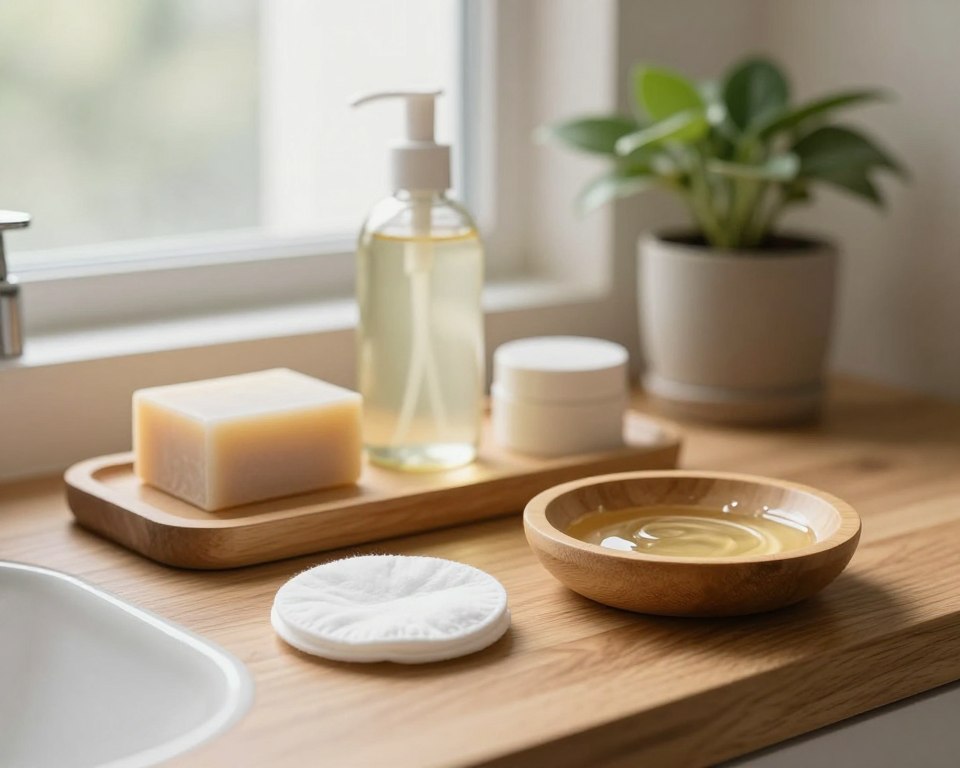
| Item | Key benefit | Care note |
|---|---|---|
| Single‑use wipes | Convenient, but creates waste | Not recyclable in many councils |
| Cleansing balm / oil | Removes makeup and nourishes skin | Emulsify and rinse well to avoid blemishes |
| Reusable organic rounds | Reduces disposables; soft on the skin | Rinse, wash in mesh bag, dry fully |
How I choose cruelty-free and vegan skincare in the UK
When I shop, I look for clear third‑party proof rather than clever packaging copy. That keeps choices simple and honest. I treat cruelty‑free and vegan as two separate checks. A product can be tested without animals yet still contain animal‑derived ingredients.
Labels I actually trust
I prioritise independent schemes. The Leaping Bunny logo and recognised PETA certification are my go-to marks. They show a verified policy across a brand’s supply chain. That matters more than a tidy marketing line.
Quick in-store routine
- Scan the back label for certification logos.
- Check the brand’s website for an up-to-date policy.
- Look at the ingredients list on the phone if vegan matters.
| Check | Why it matters | Practical tip |
|---|---|---|
| Certification | Independent proof of testing policy | Prefer Leaping Bunny or PETA |
| Ingredients | Shows animal‑derived content | Keep a short phone list of common animal ingredients |
| Brand claims | Can be vague in the industry | If unclear, wait and verify online |
My rule: if I can’t confirm quickly, I don’t buy on impulse. A little checking saves time and waste later.
Packaging that makes a real difference: glass, aluminium, and refills
Packaging choices often deliver the biggest wins with the least fuss. I look at what I can change without overhauling the products I trust.
Why I prioritise glass when it’s practical
Glass is infinitely recyclable and keeps formulas stable. I choose it for daily staples I’ll store on a shelf, not for travel. The extra weight and breakage risk matter, but the recyclability often offsets those downsides in the UK.
Refill systems and the carbon logic behind them
Refills can cut packaging emissions dramatically. Zero Waste Europe (2022) estimates refill systems can reduce packaging emissions by up to 70% over time.
That benefit depends on reuse. If I really refill the same bottle many times, the per-use carbon and waste footprint drop. If refills are single-use pouches that still travel far, gains shrink.
When pumps and mixed materials make recycling harder
Pumps often mix plastics, springs and tiny parts. Many councils won’t accept them as single-stream recyclable packaging.
I prefer simple bottles with clear recycling labels. Where pumps are essential, I cut the head off to separate parts before recycling when my local scheme allows it.
Cardboard that counts: FSC-certified and compostable options
I look for FSC-certified cardboard, minimal outer boxes and honest compostable claims. Not every brown box is compostable in a home bin.
For at-home hacks, I link to a practical guide on DIY cleaning that pairs well with reusing boxes: make your own natural cleaners.
| Packaging | Key benefit | Practical note |
|---|---|---|
| Glass | Infinitely recyclable | Best for long‑life, shelf items; heavier in transit |
| Aluminium | Lightweight, widely recycled | Good for tubes and some bottles; low contamination |
| Refill packs | Low per‑use waste | Works only if you reuse the original container |
| Pumps / mixed parts | Convenient | Often harms recyclability; check local rules |
How I recycle and reuse skincare packaging at home
A practical little habit — rinse, dry, sort — changed how I deal with empty bottles. It keeps recycling simple and removes the excuse to skip it.
Rinsing, sorting, and checking local council rules
I rinse containers, leave them to dry, then sort by material. That way I’m not guessing on bin day and contamination drops.
Check your council — rules vary across the UK. Pumps, droppers and small lids are often treated differently. I look up my local guidance before I put anything out.
Reusing jars and bottles
I reuse clean jars as a brush holder, small pots for cuttings or labelled bottles for travel decants. I only reuse when I can clean a container properly so it won’t contaminate the next product.
If a part won’t separate, I follow local advice rather than wish‑cycling. Small, steady actions make the biggest difference over time.
| Item | Practical use | Care note |
|---|---|---|
| Glass jar | Brush holder / plant pot | Wash with hot soapy water; dry fully |
| Plastic bottle | Travel decant (label clearly) | Rinse well; check if council accepts that material |
| Pump & mixed parts | Separate parts if possible | If not, follow council guidance to avoid contamination |
- I sort by packaging type so weekly collections are easy.
- I reuse a few items I actually need instead of hoarding jars.
- A small, steady routine like this adds up and makes a real difference.
For helpful home tips on reusing boxes and making cleaning easier, see make your own natural cleaners.
Ingredients I avoid for environmental reasons (and what I use instead)
I avoid a short list of ingredients that show clear harm to the environment or my skin. I don’t try to learn every INCI name. I focus on the groups that matter most.
Microplastics and plastic exfoliants
The UK’s microbeads ban (2018) stopped common rinse-off beads. Still, microplastics appear in other forms, so I read labels and skip obvious plastics in scrubs.
Biodegradable exfoliants I’m comfortable with
I use mild, biodegradable scrubs such as ground shells, jojoba beads that biodegrade, or chemical exfoliants in low concentrations. I limit frequency to protect the barrier and avoid extra repair products.
Fragrance: when I pick fragrance-free or naturally scented
I choose fragrance-free during reactive periods, near the eyes, or after retinoid use. I accept naturally scented items when my skin is calm, but I patch test because natural notes can still irritate.
My rule: prioritise ingredients with clear evidence of environmental impact and follow my skin’s response as the final safety check.
| Issue | Why I avoid it | What I use instead |
|---|---|---|
| Microplastics | Harmful to oceans, persistent | Biodegradable beads or gentle acids |
| Harsh physical scrubs | Cause barrier damage and irritation | Low‑frequency use; chemical exfoliant option |
| Synthetic fragrance | Can irritate sensitive skin | Fragrance‑free or tested natural scent |
How I think about ethical sourcing and seasonal ingredients
Knowing how an ingredient is grown or harvested matters to me as much as how well it works. I want results that do not add extra cost to the planet or to farm workers.
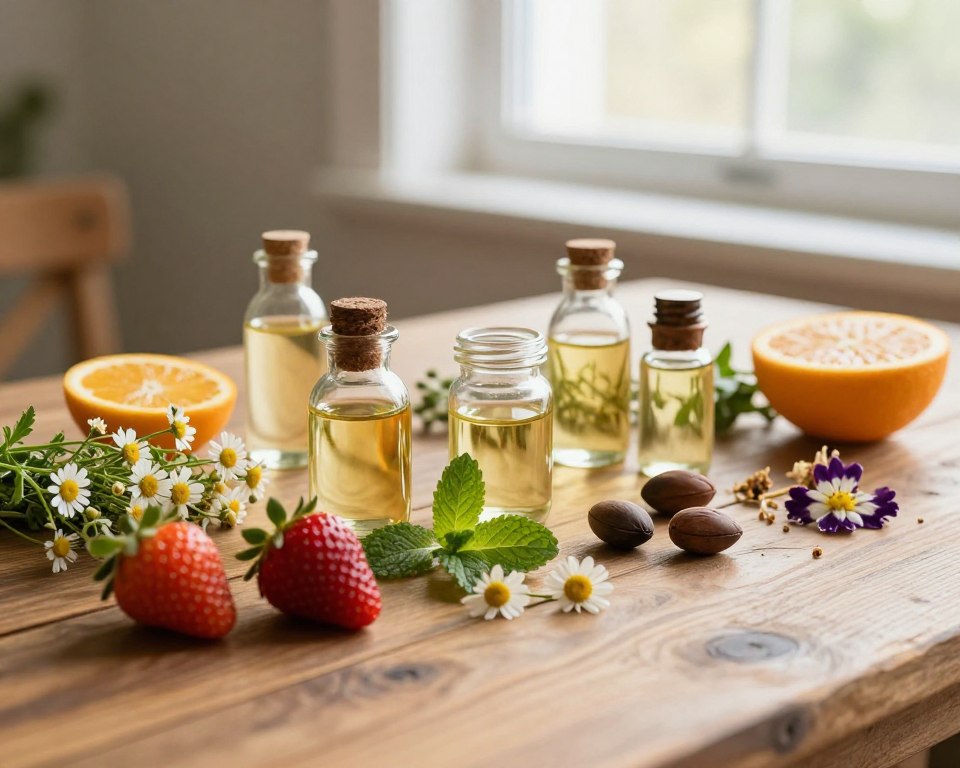
Why where it comes from matters
An ingredient can perform brilliantly yet carry a heavy footprint from long transport or poor farming practices. I weigh performance against that wider impact.
What I look for in plain terms
- Named sources: the brand lists farms or regions for key ingredients.
- Certifications: fair trade, organic or similar proof where relevant.
- Seasonal or local notes: clear explanation when used to cut transport and support local growers.
| Signal | What it shows | Shopper note |
|---|---|---|
| Named supplier | Traceable origin | Means less greenwashing |
| Certifications | Standards are checked | Look for recognised logos |
| Seasonal sourcing | Lower transport impact | Good if clearly explained |
If a brand lacks detail, I don’t assume the worst. I check the few ingredients they highlight and move on when answers are vague. My approach is practical: focus on the key ingredients a brand leans on, not every line on the label. That keeps buying honest and helps real sustainability take root.
Reducing water use without making skincare feel like a chore
I kept a few easy habits that saved water without adding fuss to my day. These changes fit busy mornings and felt sensible rather than strict.
Turning off the tap at the right moments
I turn the tap off while I massage cleanser in, while I let it emulsify, and while I apply moisturiser. That one small habit cut how much water I used at the sink.
Shorter, cooler showers for skin and sustainability
I shortened showers and cooled the temperature. Cooler, shorter showers saved water and left my skin less dry, so I used less moisturiser afterwards.
- Practical habit: do facial steps at the sink rather than under running water.
- Timing tip: set a short playlist or a two‑song timer to save time and make the change automatic.
- Small wins: these are simple ways to help the planet without buying anything new.
Outcomes: less wasted water, fewer rushed mornings and calmer skin — a modest shift that supported broader sustainability goals.
Waterless skincare and concentrated formats I’m watching
Some products now come as bars, balms or powders — and they change how I measure a dose. Waterless options remove or reduce added water, so formulas are more concentrated. You use them differently from a lotion.
What “waterless” actually means in practice
Waterless usually means a solid or paste, a powder to mix, or a concentrated liquid. These formats cut bulk and can lower shipping volume and weight.
Who it suits and when it’s not worth the swap
They suit frequent travellers, people who prefer solid balms or bars, and anyone avoiding leaks. They can also reduce packaging waste if the packaging is minimal.
- I won’t swap unless the new product clearly replaces one I own.
- If a format irritates my skin, is hard to store, or needs more product per use, I skip it.
- My simple test: finish the old item, then try a small size and track results.
| Format | Benefit | When to avoid |
|---|---|---|
| Bar / balm | Less shipping water; compact | Not for very oily or acne-prone skin |
| Powder / concentrate | Lightweight; long life | Needs careful mixing; may feel fussy |
| Concentrated liquid | Smaller bottles, lower volume | May require precise dosing |
Overall my approach is cautious. I watch the trend, but sometimes the most sensible choice is to keep a product that already works and has a low footprint over its lifetime.
Ocean-safe SPF: how I protect my face and consider marine life
I want reliable SPF that I will use every day, while keeping an eye on how ingredients leave the shower drain.
Mineral filters and why I read the label carefully
I look for mineral filters because brands often position them as ocean-safe SPF. Mineral filters are usually zinc oxide or titanium dioxide. I read the label and the ingredients to check concentration and formulation rather than trusting front-of-pack claims.
Everyday habits that reduce waste and missed applications
Comfort matters. If a sunscreen stings my eyes or feels greasy, I will not wear it. Missed applications are worse than imperfect ideals, so I choose one sunscreen I will finish in a year.
- Pick a wearable finish: matte or sheer so you use it daily.
- Check expiry: use what you buy so you do not throw half-used tubes away.
- Apply enough: cover face and reapply as needed after swimming or heavy sweating.
| Choice | Why it helps | Practical tip |
|---|---|---|
| Mineral-based | Often favoured in ocean-safe SPF messaging | Read the ingredients and test for comfort |
| One reliable tube | Reduces hoarding and waste over the year | Buy a size you will finish |
| Daily habit | Keeps skin protected and cuts panic buys | Store by your toothbrush as a reminder |
DIY skincare: what I’m happy to make myself (and what I won’t)
I only make things that I can use immediately and that carry almost no risk. That keeps my bathroom tidy and avoids storing unpreserved mixtures. My rule: single portion, clean tools, quick use.
A simple avocado face mask for low-waste moisturising
Recipe I use: mash ½ ripe avocado, add ½ teaspoon lemon juice and ½ teaspoon lemon zest. I spread a thin layer on the face and leave it for 5–10 minutes, then rinse gently.
I treat this as an occasional boost, not a daily step. It saves a jar or two of moisturiser now and then, and it only takes a little time.
Safety basics: irritation, patch testing, and hygiene
Safety is non-negotiable for me. I patch test any DIY on my inner arm for 24 hours before trying it on my face. If it stings or reddens, I bin it and never use it near my eyes.
- Wash hands and tools before mixing.
- Make one portion only; do not store leftovers.
- Avoid acidic DIY (like lemon) before sun exposure.
- If skin is irritated, skip DIY entirely and stick to gentle products.
| What I DIY | Why | What I avoid |
|---|---|---|
| Occasional moisturising mask | Low risk; immediate use; cuts packaging | SPF and clinical treatments |
| Makeup remover using oils (single use) | Effective and less waste than wipes | Eye treatments and active serums |
| Simple sugar or oil scrubs (rare) | Biodegradable, short contact time | Anything stored without preservatives |
In short, DIY can save waste and a little money if you choose safe, single-use recipes. I favour things that respect my skin, save me time, and don’t create more work or risk later.
How I choose brands without falling for greenwashing
I pick brands by what they actually show me, not by glossy claims on the front of the box.
Signals I trust
I look for clear materials lists, refill options that truly replace many units, and minimal outer packaging. Avoiding needless pumps or mixed parts is a good sign.
Proof over promises
I expect certifications where they matter and a full ingredients list. If a brand hides details behind a “proprietary blend”, I treat that as a red flag.
Recyclable packaging and giving back
I ask “recyclable where?” — and check my council guidance rather than assuming a symbol guarantees recycling. For charities, I prefer named partners and clear outcomes over vague donation claims.
- How I spot greenwashing: heavy outer boxes, big promises with tiny evidence, and unclear end-of-life notes.
- Repeatable test: can I verify this in two minutes online? If not, I wait.
| Signal | Why it matters | What I check |
|---|---|---|
| Refill option | Reduces single-use waste | Does it replace multiple bottles? |
| Clear packaging | Helps recycling | Material labelling and simple design |
| Certifications | Independent proof | Recognised scheme and public policy |
Perfection is rare in the beauty industry. I expect clarity and consistency. Small, verifiable steps beat grand statements every time.
Conclusion
Conclusion
I settled on a short set of steps that fit my life, so I actually stick to them and finish what I buy. The point is progress, not perfection.
Start by using up what you have, cut down the number of products, then favour better packaging and clearer sourcing as you replace items. Small swaps like ditching wipes, adding reusable rounds, and choosing one reliable cleanser and one moisturiser make a big difference.
Care for your skin while you change habits. Avoid over‑stripping, skip risky DIY near the eye, and patch test new things. If it stings, stop—irritation defeats both safety and long‑term goals.
One clear next step: pick one swap that suits your life, try it for a month, then build from there. Simple, repeatable action wins every time for better skin and less waste.