
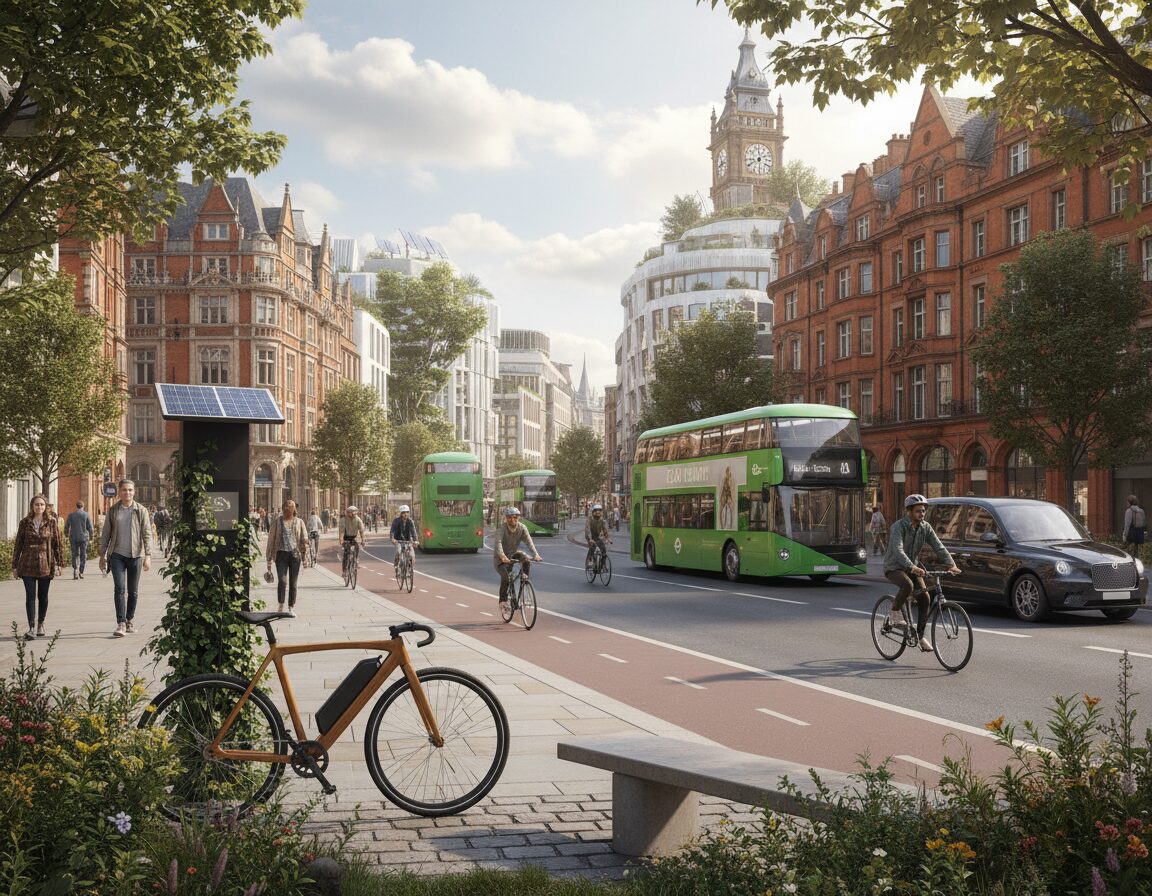
Have you ever felt that quiet nudge to make your daily journeys a little kinder to the world? I know I have, and my own search for better eco transport options uk started right there—with a simple desire to tread more lightly.
Over the years, I’ve explored how small changes in how we get around can significantly shrink the carbon footprint we leave behind. It’s a personal mission that’s shown me what truly works.
The fact is, how we move is a major piece of the puzzle. Our transport choices account for over a quarter of the nation’s total carbon emissions. That’s a big number, and it’s why finding a better way matters so much.
I’ve tested various methods on this course—from bustling city streets to quieter lanes—focusing on what’s efficient, affordable, and genuinely gentle on nature. Now, I want to share that practical wisdom with you.
This guide is born from real-life trial and error. It’s for anyone in the UK looking to make their travel simpler, cleaner, and more satisfying. Let’s explore the choices that can make a real difference, together.
Key Takeaways
- I have spent years exploring how we can alter our daily habits to reduce the carbon footprint we leave behind whilst travelling.
- Finding the right sustainable travel methods is a journey I have taken personally to ensure I can help you make better choices.
- It is fascinating to see how many people are now looking for a more sustainable way to navigate our busy UK towns and cities.
- Throughout this process, I have tested various methods to ensure that your travel remains efficient, affordable, and genuinely kind to nature.
- We must acknowledge that transport is responsible for more than a quarter of the UK’s total carbon emissions, which is a key reason for sharing this guide.
- Making a change does not have to be difficult or expensive—small, conscious swaps can have a significant collective impact.
- This guide is designed to be a reassuring, practical companion for your own journey towards greener journeys.
Understanding the Shift to Sustainable Transport in the UK
It took me a while to realise how my everyday travel habits were contributing to a larger problem. The way we move around isn’t just about convenience—it’s a key piece of the climate puzzle. This connection became clear when I learned how much our journeys affect the world around us.
Reflecting on the environmental impact of our travel choices
Seeing how many people default to driving made me pause. Each car on the road adds to emissions that warm our atmosphere. The collective impact of these choices touches everything from local parks to global weather patterns.
Understanding this link is the essential first step. It transforms travel from a mundane task into a conscious decision. We begin to see our routes as part of a bigger picture.
Why sustainable options matter to me
My personal carbon footprint shrank noticeably when I changed my habits. Choosing different ways to get around brought tangible results I could measure. This practical shift showed me what’s possible.
I discovered that sustainable transport improves my daily life too. Cleaner air makes my walks more pleasant, and less traffic noise brings calm to my neighbourhood. It’s about helping ourselves while we help the planet.
Assessing My Personal Carbon Footprint on the Road
It was a simple online calculator that first showed me the cost of my convenience in clear, stark terms. I typed in my weekly mileage and car model—the numbers that appeared were a genuine surprise. Seeing my own contribution laid out like that made the whole carbon footprint idea feel real, not just theoretical.
That moment was one of the most eye-opening things I’ve done. It shifted my perspective from vague concern to actionable insight.
Simple methods to calculate emissions
You don’t need a science degree to get started. I found several free online tools that ask for basic details like your usual way of getting around and distance travelled. They do the maths for you in seconds.
For a more hands-on approach, I tried a tracking app on my phone. It logged my journeys automatically and estimated the carbon output for each one. This showed me exactly where my highest emissions came from—often, it was those short, solo drives I could easily change.
Even a notepad and a quick sum works. Jot down your miles for a week and look up your vehicle’s average emissions. The result points you straight to where a small swap, like a bike for the car, makes a big difference.
Exploring eco transport options uk
I used to think that planning a bus route was a hassle, until I discovered a tool that changed my perspective entirely. For me, the game-changer was Traveline North East. It offers complete, impartial information on every service.
Experiencing improved efficiency with public transport
Using this resource, I found a vast range of timetables and routes. Letting someone else drive while I read or plan my day became a genuine time-saver. This shift made my travel far more efficient and surprisingly relaxing.
Many people are surprised by how well-connected our public transport networks are. With the right app, it’s a fantastic option to cut solo car trips.
Alternative methods for greener journeys
Of course, buses and trains are just one part of the picture. When I look for an alternative to driving, I consider my whole journey. Sometimes, a combination works best—a train ride followed by a short walk.
Exploring different options keeps things flexible. It’s about finding the right mix for each trip.
| Mode | Typical Cost | Average Carbon Saving | Best For |
|---|---|---|---|
| Bus/Train | £2-5 per journey | High | Medium to long distances |
| Cycling | Very low | Very High | Short urban trips |
| Walking | Free | Total | Local errands & health |
This simple comparison shows how each public transport choice and active method has its own strengths. It helps me decide based on my day’s needs.
Navigating Green Bus and Rail Systems
Seeing a packed double-decker glide past my window made me realise how many cars it was replacing. That single bus can take up to 75 individual vehicles off the road. It’s a powerful visual for cutting congestion in our busy cities.
Benefits of low-emission buses in my area
Newer buses in my local area run on cleaner fuel. You can feel the difference in the city centre—less exhaust smell and clearer air. It’s a direct way to tackle pollution from idling traffic.
These buses are a brilliant place to start your greener commute. For more guidance, check out my top tips for navigating UK public.
How modern rail innovations reduce travel emissions
Choosing the train for a travel day can slash your journey’s carbon by 67%. Modern carriages are lighter and more efficient. This makes a huge dent in overall emissions.
Our rail transport network is a backbone of sustainable public transport. It reliably moves masses of people without the gridlock.
| Mode | Carbon Saving vs Car | Ideal Journey |
|---|---|---|
| Modern Bus | High | Urban & suburban routes |
| Electric Train | Very High (up to 67%) | Inter-city & regional |
| Combined (Bus + Train) | Maximum | Multi-stage trips |
This simple comparison shows how each part of our public transport system works. Together, buses and trains offer a solid transport solution for most needs.
Embracing Cycling and Walking for Daily Excursions
The moment I got my first refurbished bike from Recyke y’bike, I realised how much I’d been missing by always taking the car. That simple change opened up my local area in a new way. Now, for short trips, my bike is my first choice.
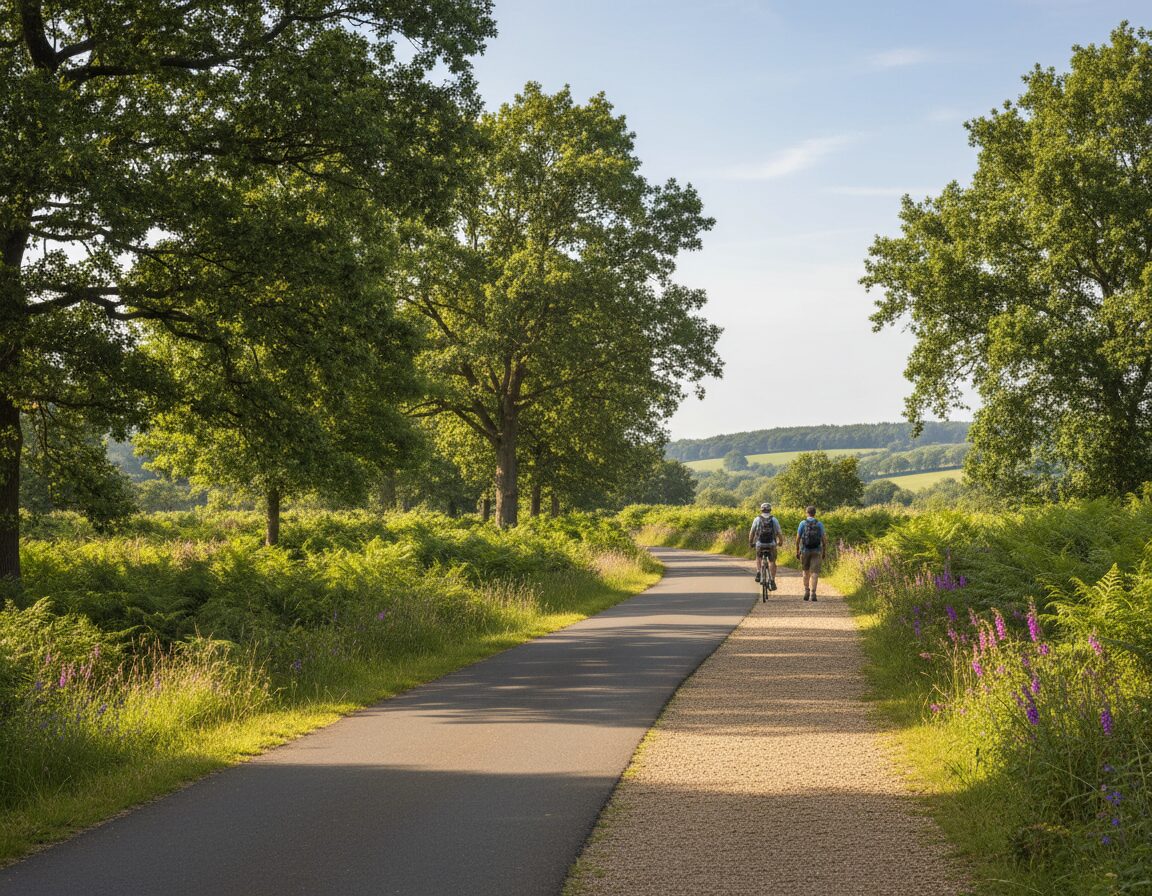
I often visit their shops in Byker and Chester-le-Street. They are a wonderful place to find affordable, ready-to-ride bikes. It makes starting this course of action much easier.
Finding safe routes and cycle networks
Cycling is a fantastic option for short trips. I find it’s often faster in congested urban areas. The key is planning your route in advance.
Many safe cycle networks are available now. I encourage people to explore these options. It makes daily excursions more enjoyable and secure.
For longer distances, I still use public transport. But cycling remains my favourite way to stay active and connected. It’s a brilliant part of sustainable travel.
| Mode | Average Speed | Cost per Trip | Health Benefit | Ideal Use Case |
|---|---|---|---|---|
| Cycling | 10-12 mph | Very low | High cardio | Trips under 5 miles |
| Walking | 3 mph | Free | Low impact & mental clarity | Local errands under 1 mile |
This comparison helps me choose the right option for each journey. Both are excellent transport methods for daily life.
Investing in Electric and Hybrid Vehicle Alternatives
I was initially sceptical about electric cars, until I sat down and crunched the numbers for my own driving habits. The potential for long-term savings became clear, alongside the benefits for our city air. It’s a personal investment that pays back in more ways than one.
Understanding charging points and depot innovations
Our charging infrastructure is growing fast. Major operators are leading this course of action. National Express aims for a zero-emission fleet by 2030.
FirstGroup stopped buying diesel buses in late 2022. The Go-Ahead Group runs the all-electric Waterloo bus garage. Arriva has used 100% renewable electricity at depots since 2018.
These depot innovations prove a robust network is being built. It supports all types of electric transport. Public charging points are now common in many areas.
Cost benefits and long-term savings
When you make the switch, you save money on petrol and maintenance. Charging at home is often the most convenient way. The initial cost is offset over the vehicle’s lifetime.
You also avoid the rising price of traditional fuel. This is a huge benefit for your household budget. For broader guidance, explore these sustainable living tips for the UK.
| Vehicle Type | Average Cost per Mile | Typical Emissions | Primary Energy Need |
|---|---|---|---|
| Electric Car | 3p – 5p | Zero tailpipe | Charging point |
| Hybrid Car | 6p – 8p | Low | Petrol & charging |
| Petrol Car | 12p – 15p | High | Petrol station |
This comparison shows the clear efficiency and carbon advantage. Electric and hybrid vehicles are a smart solution for many people. They transform your daily journey and its impact.
Planning Efficient City Travel and Avoiding Traffic
My most frustrating commutes taught me that a little foresight is the most powerful tool against city congestion. Many people share this daily battle with gridlock in our cities. I’ve found that a simple change in habit makes all the difference.
Mapping out practical routes to ease congestion
My first course of action is always to check a live map before I travel. This shows traffic hotspots in real-time, allowing me to adjust my journey before I’m stuck in it.
Choosing the right option—be it a different route, time, or mode of transport—directly cuts my emissions. It’s a personal win that also helps the wider city.
I often share this approach. It helps other people avoid that familiar frustration. We all contribute to a smoother flow when we plan ahead.
| Planning Approach | Tool or Resource | Primary Benefit |
|---|---|---|
| Live Traffic Updates | Navigation Apps (e.g., Google Maps, Waze) | Avoids current traffic jams |
| Alternative Route Preview | Journey Planner Websites | Shows quieter, faster options |
| Multi-Modal Trip Planning | Integrated transport Apps | Combines walking, bus, and train efficiently |
By looking ahead, we can keep our cities moving. It turns a stressful part of the day into a managed, efficient process for everyone.
Evaluating Pay-As-You-Go Car Clubs as a Greener Choice
I first tried a car club out of pure curiosity, booking one for a weekend trip to the coast instead of renting. It was a revelation. The process was simple, and I only paid for the hours I actually used.
This experience showed me a brilliant alternative to owning cars, especially for those who only need them occasionally. It’s a flexible option that fits around life, not the other way round.
Comparing ownership with flexible car sharing
Owning a vehicle means fixed costs, whether you drive it or not. With a club, you access cars on demand. This sensible course of action cuts down on the number of private cars sitting idle.
Fewer privately owned cars on our roads means lower overall emissions. It’s a direct way to help clear the air in our cities. I often tell people that clubs offer the convenience of cars without the high costs of full ownership.
By choosing to share, we all play a part. We reduce the number of cars parked on our streets. It’s a practical shift in how we think about personal transport.
For many types of travel, it’s one of the smartest options available. It makes our overall transport system more efficient for everyone.
Community Impact and the Journey to a Sustainable Future
The chatter at my local community centre these days often turns to the air we breathe, and it’s a conversation that fills me with hope. This shift in dialogue is a powerful sign of our collective journey.
It shows how personal changes connect to a wider, positive impact. We are moving towards a future built on smarter choices.
Supporting local initiatives and feedback from fellow travellers
Getting involved with neighbourhood projects has been a rewarding course of action. From planting trees along bus routes to advocating for safer cycle lanes, these efforts matter.
I often hear encouraging feedback from other people making similar switches. Their stories about easier commutes or saving money reinforce why this work is vital.
Sharing our experiences makes the travel transition feel less daunting. It builds a supportive network for everyone exploring new options.
Seeing tangible improvements in city air quality
The most encouraging sign is something we can all feel. The air in our cities is becoming cleaner as fewer car journeys are made.
This tangible improvement makes every street a more pleasant option for a walk. It’s a direct result of changing how we use transport.
| Initiative Focus | Primary Benefit | Community Feedback |
|---|---|---|
| Local Cycling Campaigns | Reduces traffic & promotes health | “Feels safer to cycle now.” |
| Public Transport Advocacy | Cuts overall emissions | “The bus is more reliable.” |
| Urban Greening Projects | Improves air quality & wellbeing | “The park is our favourite place.” |
Each small step we take has a cumulative impact. Together, we are creating healthier, more vibrant places for everyone.
Conclusion
Looking back on the journey we’ve taken through this guide, I’m reminded that the most sustainable step is always the next one. I hope it has brought some clarity to your own path and shown that improving your daily travel can be straightforward.
Every small change we make has a collective impact. It helps lower our shared emissions and creates a better environment for all people. Choosing a different mode of transport is a powerful personal act.
I warmly encourage you to explore the options that fit your life. Perhaps start by planning a UK road trip with a greener mindset. Give one a go and see how it feels.
Thank you for joining me in this effort. Of course, building a cleaner future is a shared project, but I’m confident we’re moving in the right direction, together.