
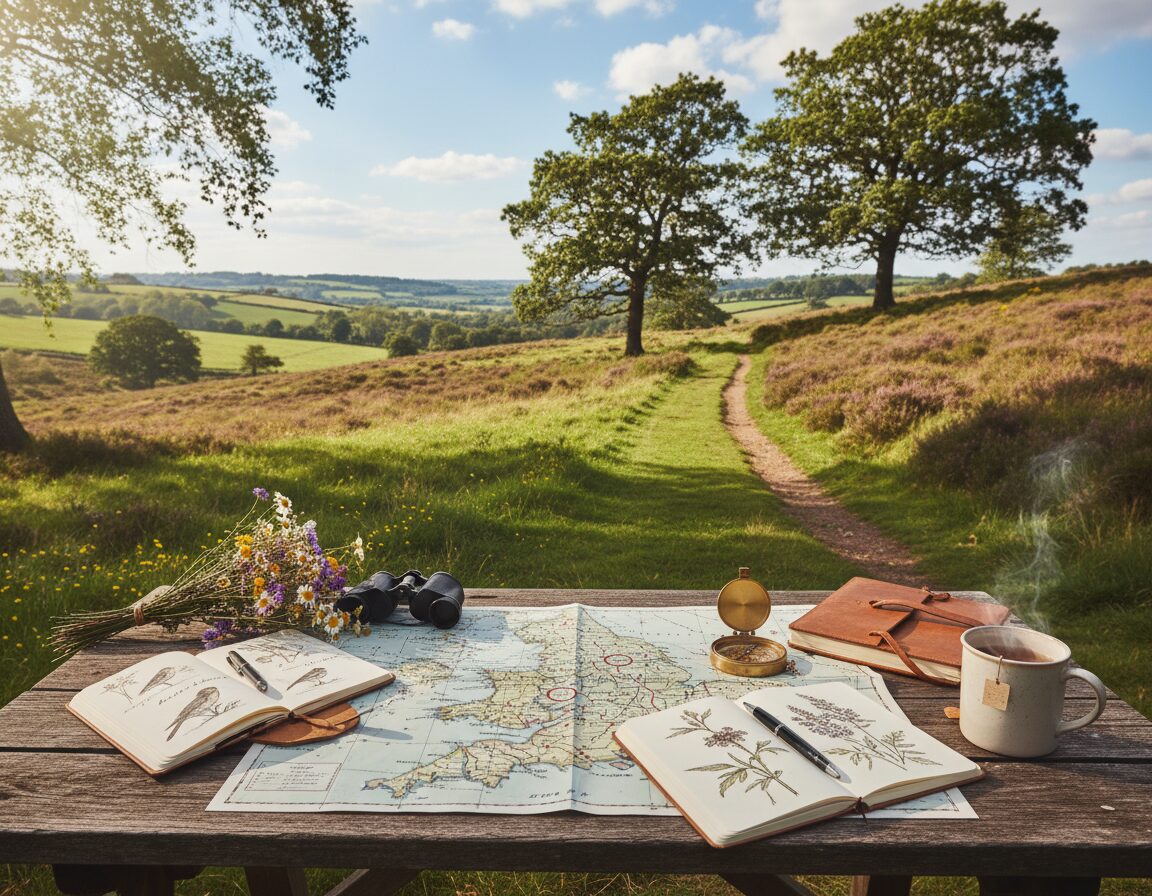
There’s a special kind of quiet that settles over you when you swap the city’s constant hum for a winding footpath through ancient woodland. For me, this careful planning is the first, essential step towards a proper escape.
I realised long ago that leaving behind the noise of modern life is non-negotiable for clearing a busy mind. As Northern Life Magazine noted in their June 2025 advice on outdoor adventures, a well-organised excursion is far more than a simple getaway.
It becomes a formative experience that sticks with you. I’ve found that immersing myself in the natural world teaches incredible lessons in resourcefulness and patience.
My goal is to share my straightforward approach, so you can find the same deep peace and fresh perspective. A little structure turns a good idea into a highlight you’ll remember for years.
Key Takeaways
- Stepping away from daily noise is crucial for mental clarity and peace.
- A thoughtfully organised outdoor adventure offers more value than a basic holiday.
- Time spent in the wild can build practical skills and foster resilience.
- Following a simple framework ensures your time away is rewarding, not stressful.
- My method focuses on creating lasting memories from your time outside.
- The right preparation makes even a short escape feel deeply restorative.
- These experiences are about reconnecting with yourself as much as with the landscape.
My Personal Approach to planning nature trips
My process doesn’t start with booking a campsite; it begins with a notebook and an honest look back at my last adventure. This reflection is the cornerstone of how I craft meaningful escapes.
Reflecting on Past Experiences
I always carve out a little time to revisit my previous journeys. What felt truly peaceful? Which spot left me feeling restless? Noting this down helps me refine my process.
It ensures I don’t repeat the same mistakes. I see spending time in the wild as a real privilege. Each visit is a chance to learn and grow.
Setting Clear Intentions for Each Journey
Before I go, I define what I want from the experience. It might be quiet contemplation or building a new skill. This clarity keeps my mind focused on a specific goal.
I treat my trips as a deliberate opportunity to reconnect. By setting an intention, I avoid just wandering. It turns a simple outing into something with real purpose. I often use my favourite journaling prompts for travel to help solidify these thoughts.
Choosing Hidden Gem Destinations
The most rewarding part of my preparation is uncovering a location that feels like my own secret. I’m not looking for the famous spots everyone knows. My goal is to find those quiet places where the world feels still and expansive.
Avoiding Tourist Traps and Overcrowded Spots
I love beautiful mountains, but I’ve learned popular destinations can lose their charm. Think of places like Pigeon Forge or the main trails of the Great Smoky Mountains. They’re stunning, but the constant buzz of crowds interrupts the peace I seek.
My method is simple. I ask experienced walkers and local outdoorspeople where they go to escape. Finding these lesser-known spots takes a bit of digging. For inspiration, I often look at guides to underrated UK coastal towns – they’re a great blueprint for finding quiet beauty.
The effort is always worth it. Having a path to myself lets me fully appreciate the raw beauty of the environment. That deep sense of solitude is what I’m really after.
Gathering the Right Companions for the Adventure
I’ve learned that the right companions are the secret ingredient to a truly memorable outdoor experience. Who joins me directly shapes the safety, enjoyment, and depth of every journey.
Sharing Survival Tips and Local Insights
On our walks, a bit of a chat about the best path or how to read the weather is common. We swap knowledge, like which torch is most reliable or where to find fresh water.
This exchange happens naturally while we’re hiking. It makes the whole trip more educational and secure for everyone involved.
| The Ideal Companion | A Potential Mismatch |
|---|---|
| Shares a genuine passion for the outdoors | Is indifferent to the environment |
| Comes prepared and willing to learn | Relies entirely on others for everything |
| Respects the group’s pace and goals | Has a conflicting, personal agenda |
Building Trust Through Shared Experiences
Trust grows when you navigate a tricky bit of terrain together or sit quietly observing local wildlife. These shared moments are vital.
I only invite a few, like-minded people. This mutual understanding lets me relax and focus on the adventure itself. It’s the same mindful approach I recommend in my advice for first-time solo travellers – knowing your own limits and those of your group is key.
Equipping Yourself with Essential Gear
The right kit can be the difference between a challenging adventure and a miserable ordeal, which is why I take my gear selection so seriously. It’s not about having the most stuff, but the right tools that grant you freedom and peace of mind.
I see my equipment as an investment in my own safety and enjoyment. Choosing quality means fewer failures and more time immersed in the experience itself.
Investing in Quality Equipment for Safety and Comfort
My philosophy is simple: buy once, cry once. Reliable gear lets you focus on the path ahead, not a broken zip or sore feet. Here are the non-negotiables in my pack:
- A robust tactical knife: I carry one from CRKT. It’s indispensable for quick repairs to gear or cutting cord during a long trip.
- Proper hiking boots: These are one of the most important things I own. They provide essential balance and support on rugged, uneven terrain.
- A lightweight, waterproof tarp: I never underestimate this. It shelters me from the unpredictable nature of the weather, keeping me dry and comfortable.
This core of my hiking kit is designed for safety first. It allows me to relax and absorb the beauty of the natural world, not fret over my supplies. Good gear is a trusty companion for every outing.
Harmonising Itinerary Pacing with Nature’s Rhythms
I’ve found that the most profound moments outdoors happen when my itinerary bends to the weather, not the other way around. This rhythm is the secret to a deeply satisfying experience.
Moving with the land’s own tempo means my schedule serves the journey, not the clock. It turns a simple list of places into a flowing adventure.
Sequencing Locations for Optimal Light and Weather
I carefully map my route. The goal is to be in the right place for the best light—a valley at dawn, a coastal path for sunset.
This thoughtful sequencing saves precious travel time and cuts fatigue. It makes long-distance movement part of the enjoyment, not a chore.
| A Rigid Schedule | A Harmonised Itinerary |
|---|---|
| Forces activities regardless of conditions | Adapts to optimal light and weather windows |
| Packs every day with back-to-back stops | Builds in breathing room and shorter travel legs |
| Creates stress when delays occur | Has built-in resilience for surprises |
| Focuses solely on ticking off locations | Values the quality of time in each place |
Allowing Buffer Days for Unexpected Delights
I always include a spare day in my schedule. This buffer is my strategy for keeping a calm mind.
When conditions shift or a local suggests a hidden path, I’m free to say yes. These spontaneous finds often become the highlight of my trips.
By allowing extra days, I adapt to the rhythms of the natural world. It acknowledges that even the best-laid plans in life need flexibility to be truly rewarding.
Embracing Local Insights and Spontaneous Discoveries
True discovery begins when you’re willing to set the guidebook aside. My detailed itineraries are useful tools, but I always leave generous gaps for the unexpected.
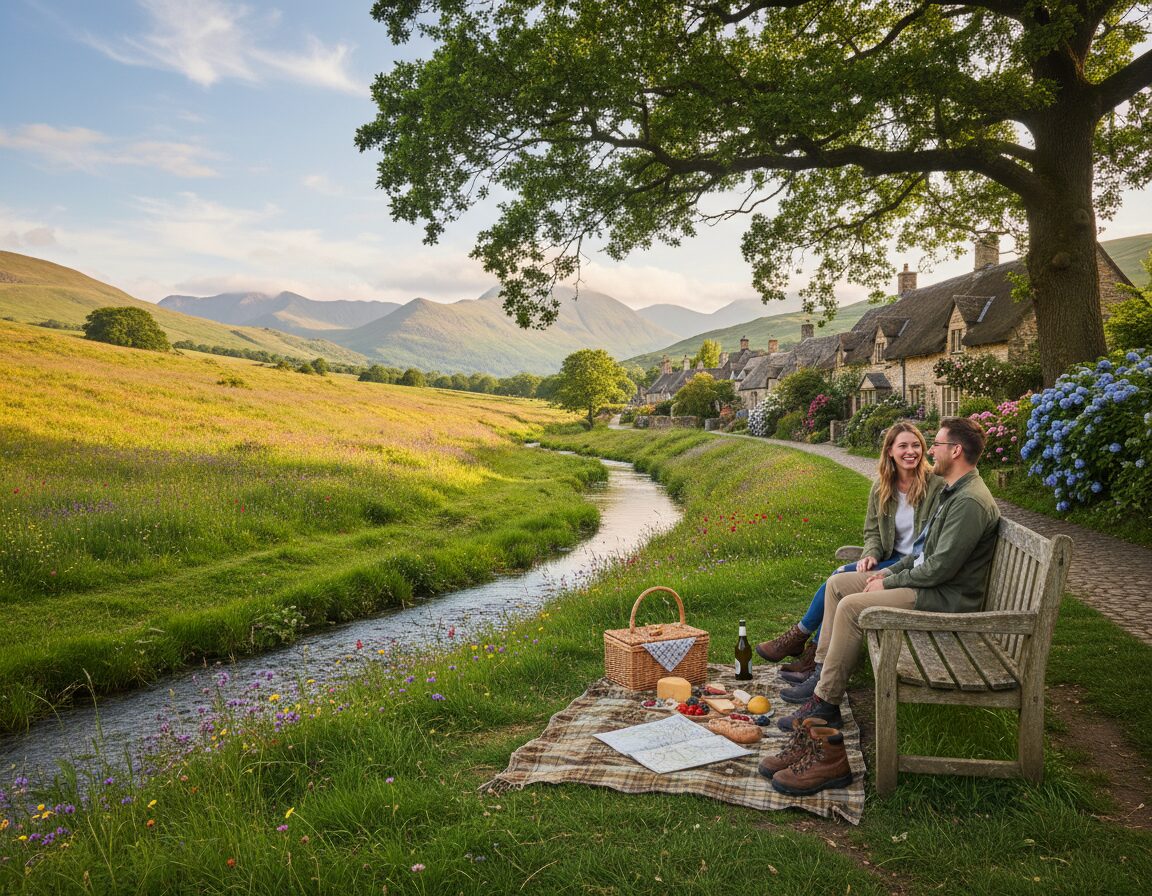
Listening to the Call of Unplanned Adventures
I’ve learned the real beauty of a journey often appears in these unscripted moments. While I might be hiking near a famous landmark like The Wave in Arizona, I stay open to changing my day based on a local’s tip.
Meeting new people during my travel constantly leads me to hidden gems. A chat in a Nashville market or on a California beach has pointed me towards incredible places.
These spontaneous things aren’t in any standard guidebook. They make every experience uniquely mine.
Observing local wildlife or simply absorbing the beauty of a new destination teaches me to move with the land’s rhythm. I allow buffer days in my itineraries for this very reason.
That free time lets me say yes to an invitation or follow a curious path. It ensures my outdoor excursions are defined by discovery, not just ticking off a list.
Conclusion
The framework I’ve shared is less about rigid rules and more about creating space for genuine discovery. It’s that balance between thoughtful preparation and a willingness to embrace the wild’s surprises that makes an escape truly unforgettable.
Choosing the right companions and trusting your gear brings a deep sense of safety. This lets you relax into those spontaneous, rewarding moments that become your best memories. For a different kind of adventure, you can adapt this approach using my top tips for a UK road.
I encourage you to take these ideas on your next outdoor journey. The goal is simple: to return home feeling refreshed, with a renewed appreciation for the landscape and your own resilience.