

The hum of jet engines and the bustle of terminals used to set my nerves on edge. Now, after visiting over 30 countries, I’ve found a way to move through even the most compact air hubs with genuine calm.
My journeys across several continents taught me one thing above all: the secret to a smooth trip is simple preparation. I realised that many people avoid exploring new places because they find the whole process overwhelming.
My goal here is simple. I want to share the practical, real-world strategies I’ve gathered. These tips have transformed what felt like a daunting task into a manageable, even enjoyable, part of the adventure.
This guide comes from my personal experience in countless terminals. It’s about turning that pre-flight tension into a sense of quiet confidence before you even reach your gate.
Key Takeaways
- Thorough preparation is the cornerstone of a smooth journey.
- Understanding a terminal’s basic layout reduces anxiety significantly.
- Packing light saves considerable time and effort at security checks.
- Arriving early provides a valuable buffer for any unexpected delays.
- Your mindset can transform the entire travel experience.
- Familiarising yourself with procedures beforehand builds real confidence.
- Simple, repeatable routines make each trip feel more predictable.
Pre-Flight Research and Booking Essentials
Confidence at the airport is built at home, long before your travel day. This quiet preparation phase is where you can eliminate most surprises. I treat it as the foundation for everything that follows.
Understanding Airport Layouts and Terminal Maps
My routine begins on a site like Airport Terminal Maps. I study the terminal’s blueprint from my living room. Knowing where security, lounges, and my likely gate are located makes the physical space feel familiar upon arrival.
This simple act transforms an unknown building into a manageable environment. You won’t waste precious minutes figuring out which way to turn.
Checking Airline Policies and Connection Times
Not all airlines operate the same way. Their baggage rules and check-in deadlines vary. I always review these specifics during booking to avoid last-minute fees or hassles.
I’m particularly cautious with tight connections. Carriers sometimes schedule transfers of an hour or less. If your arrival and departure gates are far apart, that time can vanish quickly. Checking potential gate assignments in advance helps you spot these risks early.
This guide aims to help you sidestep such common pitfalls. A little research saves a lot of frustration later.
Practical Tips for Navigating Small Airports
There’s a quiet confidence that comes from having the right tools in your pocket before you even leave home. My approach to these compact hubs is built on a simple principle: let technology do the heavy lifting. This turns potential stress into a series of manageable steps.
Using Apps and Real-Time Flight Information
I rely heavily on apps like Skyscanner during the planning stage. They show me which city offers the most convenient or affordable direct flights. This research is invaluable for complex itineraries.
For instance, when I planned a trip to Rio de Janeiro, I learned direct services only operate from four cities: Atlanta, New York, Houston, and Miami. Knowing this upfront shaped my entire route.
Once my trip is booked, I switch to dedicated airline and flight tracker apps. These provide flight information in real-time. I get alerts for gate changes or delays often before they’re announced in the terminal.
This means I can adjust my pace accordingly. Having accurate flight information at my fingertips is the single best way I’ve found to cut through travel anxiety. It makes moving through airports feel controlled and predictable.
Packing and Luggage Strategy
My approach to packing has evolved from frantic last-minute stuffing to a calm, strategic ritual. Getting this part right fundamentally shapes your entire travel experience.
Choosing the Right Carry-On and Checked Luggage
I learned the hard way that lugging heavy bags is exhausting. Now, my husband and I use a simple system: one large case to check and two compact carry-ons.
We swear by our 17” Samsonite spinners. They are perfect for essentials and a change of clothes. This smart strategy means we’re covered if our main baggage is delayed.
I always weigh my bags at home. It avoids the stress of surprise fees or repacking at the check-in counter. Keeping everything light and organised makes life so much simpler.
Choosing the right luggage lets you move through the terminal with confidence. It turns a potential physical strain into a smooth part of your trip.
Streamlining Check-In Procedures
For me, a stress-free journey begins with a few simple clicks to check in online, saving precious minutes later. This simple step transforms the start of my trip from a frantic scramble into a calm, organised process.
I always check in online before I leave home. It saves a significant amount of time, especially during busy holiday periods. I can choose my seat and avoid the longest queues at the terminal.
I also print a physical copy of my boarding pass. It’s a reliable backup if my phone battery fails. Having both digital and paper versions gives me real peace of mind.
Once at the airport, I head straight for the bag drop. My luggage is already tagged from online check-in. I keep the receipt stub safe—it’s vital for identifying my bag if it goes astray.
Arriving with time to spare is non-negotiable. It allows me to handle any unexpected snags without feeling rushed or stressed by airline staff. A calm start sets the tone for the entire flight.
| Check-In Method | Time Saved | Best For | Key Tip |
|---|---|---|---|
| Online (App/Website) | Significant | All travellers, especially during peak times | Do it 24 hours before; have boarding pass ready on phone. |
| Self-Service Kiosk | Moderate | Travellers with bags to drop | Use to print bag tags and boarding pass quickly. |
| Counter Service | Minimal | Complex itineraries or special assistance | Arrive extra early to avoid queues. |
Managing Security with Ease
I’ve learned that a smooth security experience hinges on two things: preparation and the right gear. This part of the journey used to fill me with dread, but now I move through it with quiet confidence.
Preparing for Screening with Easy-to-Remove Shoes and Accessories
My first tip is all about footwear. I always wear slipper-style shoes that slip on and off effortlessly. This simple choice makes the entire screening process faster and far less intrusive.
I also follow the 3-1-1 rule for liquids religiously. All my toiletries are in containers of 100ml or less, stored in a single clear bag. Having a large jacket pocket is perfect for my passport and phone, keeping my hands free.
Utilising TSA Pre-Check, CLEAR, and Other Priority Services
For frequent travellers, services like TSA Pre-Check and CLEAR are game-changers. They let you bypass the longest queues, transforming your airport navigation.
CLEAR is available at 13 major hubs, including Denver, Houston, and San Francisco. Membership costs $179 annually, with each family member an extra $50. For me, avoiding the standard security lines is worth the fee.
Guidance on International Airport Navigation
I discovered that the world’s busiest airports speak a universal visual language, designed to guide you even if you don’t speak the local tongue. Standardised pictograms are your best friend. I always look for the familiar suitcase icon for baggage reclaim or the aeroplane symbol for departures.
My preparation starts online. I visit the official website of my destination’s international airports. Studying the terminal map there makes the physical space feel less foreign when I arrive. It turns a potential maze into a known layout.
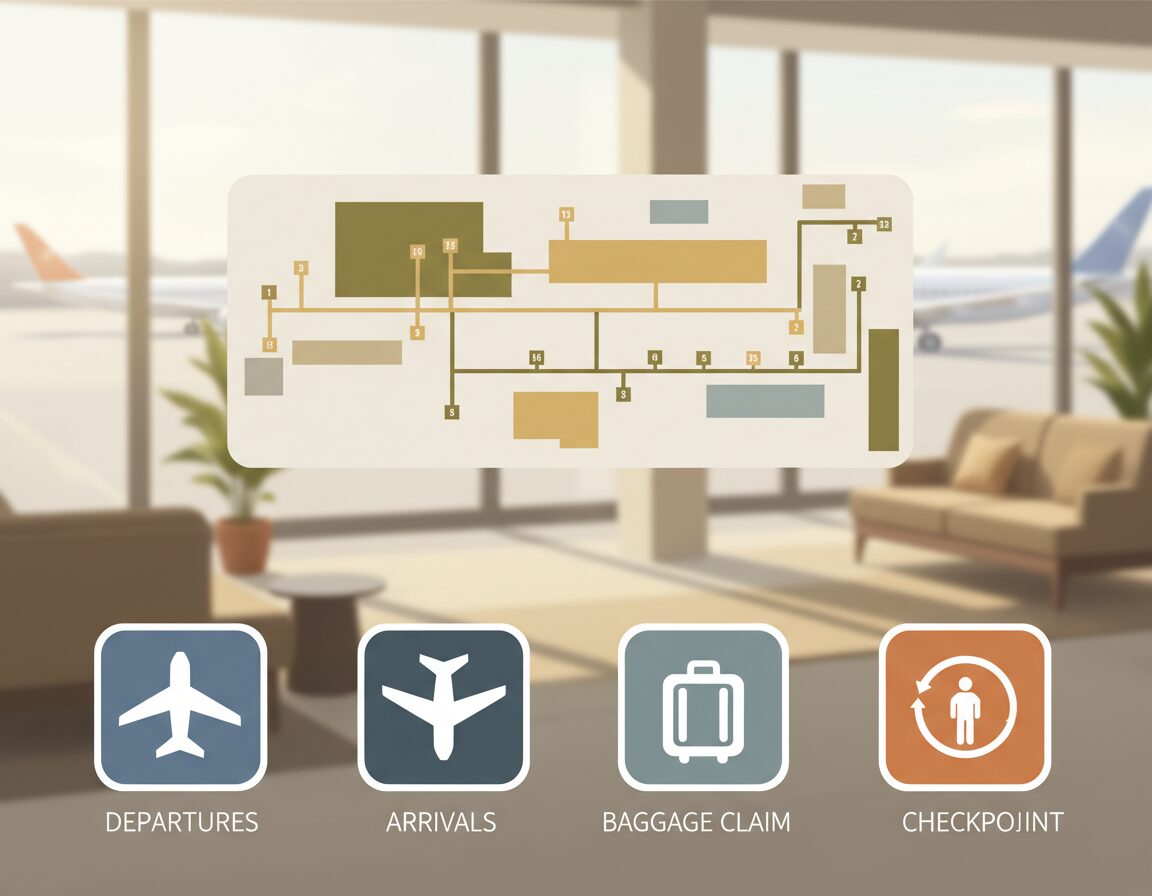
Colour-coded signage is another huge help in major airports. Different zones or levels are often marked in distinct colours. Paying attention to these visual cues is a key part of successful airport navigation, especially in a foreign country.
By learning this silent language, you can move with purpose. Here’s a quick guide to some of the most common symbols you’ll encounter:
| Pictogram | Meaning | Typical Colour Code | Common Location |
|---|---|---|---|
| 🛄 Suitcase | Baggage Reclaim | Green | Arrivals Hall |
| ✈️ Aeroplane | Gates / Departures | Yellow | Departures Level |
| 🛏️ Bed | Hotel Information | Blue | Information Desks |
| 🍴 Fork & Knife | Food & Drink | Red | Concourse Areas |
| 📞 Telephone | Help Point | White on Blue | Throughout Terminal |
Staying observant and calm lets me move through complex international airports with ease. This simple understanding builds real confidence for the rest of my journey.
Effective Communication and Translation Tools
A language barrier at an airport can turn a simple request into a moment of panic. I see communication tools as my final safety net. They bridge gaps when signs and gestures aren’t enough.
My first step is always to download a reliable translation app before I leave home. It sits on my phone, ready for the moment I need it.
Using Translation Apps in Non-English Terminals
This preparation proved invaluable in Rio de Janeiro. I was in a non-English terminal, completely lost. I used a Portuguese translation app to ask a vendor for directions.
I showed my phone to the airport staff. The translated phrase helped them understand I was looking for the airline lounge. They pointed me the right way immediately.
That experience taught me a lasting lesson. Now, I rely on a few key practices to stay understood:
- I always download essential travel apps, like translators, before a trip. This guide to essential travel apps is a great starting point.
- Using these apps to communicate with staff is my go-to method. It cuts through confusion fast.
- Even without speaking the language, showing a translated phrase works wonders. Staff appreciate the clear request.
- I consider translation software a core tool for modern airport navigation. It turns a potential crisis into a manageable task.
Keeping my phone charged and these apps ready is non-negotiable. It hands me back control in any terminal.
Handling Flight Connections and Transfers
Managing a tight transfer between flights used to be my biggest source of travel anxiety. I learned the hard way that a missed connection can unravel even the best-planned trip. Now, I have a simple routine that keeps me calm and on track.
My first move is always at the check-in desk. I double-check that my luggage is tagged through to my final destination. This is especially vital when I have multiple connections. If bags aren’t checked through, you must collect and re-check them – a process that eats precious minutes.
If I need to change terminals for a connection, I build in generous extra time. Moving between different terminals often means clearing security again. I factor this into my planning from the start.
Once within the airport, I follow the clear “connections” signs religiously. They’re the most reliable guide to your next gate without unnecessary wandering. If I’m ever unsure, I don’t hesitate to use the airport Wi-Fi to check my flight status or ask a staff member directly.
I also plan for potential delays during my connection window. This smart buffer ensures I don’t miss my next flight due to unforeseen circumstances. Managing a connection is about control, not chance.
Navigating Through Duty-Free and Pre-Flight Shopping
I’ve always found that browsing the duty-free shops can be a delightful way to pass the time before a flight. It’s a fun part of the experience, but I’ve learned to keep a close eye on the clock.
It’s easy to get distracted by the perfume counters and chocolate displays. To stay on track, I make a simple habit. As soon as I finish looking around, I locate the nearest screen showing flight information.
This lets me confirm my gate number and departure time instantly. My top tip for real peace of mind is setting an alarm. I programme it for five minutes before the gate is due to be announced.
This little trick is a game-changer. It allows me to relax fully and enjoy a coffee or a meal without that nagging worry. I never start browsing until I know exactly where my departure point is.
Finding the correct location early gives me wonderful freedom. I can grab a snack or use the facilities without rushing. This simple routine makes my pre-flight time at the airport much more comfortable and controlled.
Tackling Delays and Unexpected Changes
When my flight from Hawaii was unexpectedly changed, I turned a potential nightmare into a bonus holiday. I was bumped off my original service to San Francisco. The airline rebooked me, gave me frequent flyer points, and offered a stay in a 4-star beach hotel.
This experience taught me that delays don’t have to cause stress. With the right approach, you can handle these situations calmly. The key is to stay informed and maintain a positive outlook.
Staying Informed with App Notifications and Airline Alerts
I always enable push notifications on my airline‘s app. It alerts me to any flight changes or delays in real time. This gives me a head start to adjust my plans without panic.
If a flight is cancelled, I contact the airline directly via their app or phone line. This is often much faster than queuing at the desk. Being polite and friendly to staff can lead to better outcomes, like meal vouchers or hotel offers.
Making the most of these unexpected changes helps avoid letting them ruin your trip. I learned to enjoy the bonus hotel stay rather than dwell on the delay. It’s all about using the extra time wisely and keeping a cool head to reduce stress.
Interacting with Airport Staff and Service Personnel
I’ve realised that the people working at the airport are my greatest allies when things go wrong. A friendly approach has directly improved my travel experience on countless occasions.
Being genuinely polite to airport staff often results in extra help. During disruptions, this attitude has even led to compensation like frequent flyer points. It turns a problem into a manageable situation.
I always ask for assistance if I’m unsure about a process. The staff are there to help you move through the terminal safely. Interacting with service personnel with patience is key, even when plans change.
Treating everyone with kindness can bring unexpected benefits. I’ve been rebooked on better flights simply by being respectful. A polite attitude is the best tool for resolving difficult situations.
This approach ensures a smoother experience overall. Here’s a quick guide to interacting with different airport roles:
| Staff Role | Typical Location | Best Approach | Potential Benefit |
|---|---|---|---|
| Check-in Agent | Desk in Departures Hall | Have documents ready, smile, be clear. | Better seat assignment or baggage fee waiver. |
| Security Officer | Screening Checkpoint | Follow instructions, remove items promptly. | Faster, less stressful screening process. |
| Gate Agent | At the Departure Gate | Ask questions politely if flight is delayed. | Early rebooking or lounge access offer. |
| Information Desk Staff | Central Terminal Areas | Ask specific questions for efficient help. | Local tips or fastest route to your gate. |
My experience has taught me this simple truth. The human element of travel – the service you give and receive – shapes your entire airport journey.
Reflecting on My Personal Airport Experiences
My earliest airport experience alone was a true baptism of fire, teaching me lessons I still use today. That first solo trip was a whirlwind of emotions. It showed me the vital importance of being prepared and staying calm.
Reflecting on those early challenges, I see they were essential. They built the confidence I now have as a traveller. I learned that even seasoned flyers face hurdles. Being prepared is the best way to ensure you get home safely.
Every trip I take adds to my knowledge. Navigating different airports becomes more routine, less like a chore. I often think back to my early days. It’s so much easier now that I have a solid plan for each journey.
Sharing these experiences helps you avoid my past mistakes. You can enjoy your time away from home more fully. For a great example of a solid plan, I wrote a detailed guide on mastering travel with only hand luggage.
| Aspect | Early Experience | Current Approach | Key Lesson |
|---|---|---|---|
| Packing | Overpacked, last-minute panic | Strategic, hand-luggage only focus | Lightness equals freedom and speed. |
| Check-in | Long queues, paper tickets | Online check-in, digital passes ready | Preparation at home saves terminal stress. |
| Mindset | Anxious, reactive to problems | Calm, proactive with a buffer plan | A plan turns challenges into manageable steps. |
| Overall Trip | Daunting, unpredictable ordeal | Controlled, enjoyable part of the adventure | Each airport experience builds confidence for the next. |
Conclusion
The true goal of all this preparation isn’t to eliminate every possible hiccup, but to give you the calm confidence to handle them. This guide shares the simple routines that transformed my own airport experience from fraught to fluid.
By applying these tips, you master the art of navigating airports. Checking baggage restrictions and flight information in advance is your best tool for any unexpected situations. Whether your journey involves large international airports or compact hubs, staying organised is key.
I hope my stories help you feel assured from check-in to baggage claim. Keep your documents secure, stay adaptable, and view each trip as a chance to hone your skills. Here’s to many more confident adventures, wherever your next city destination may be.