
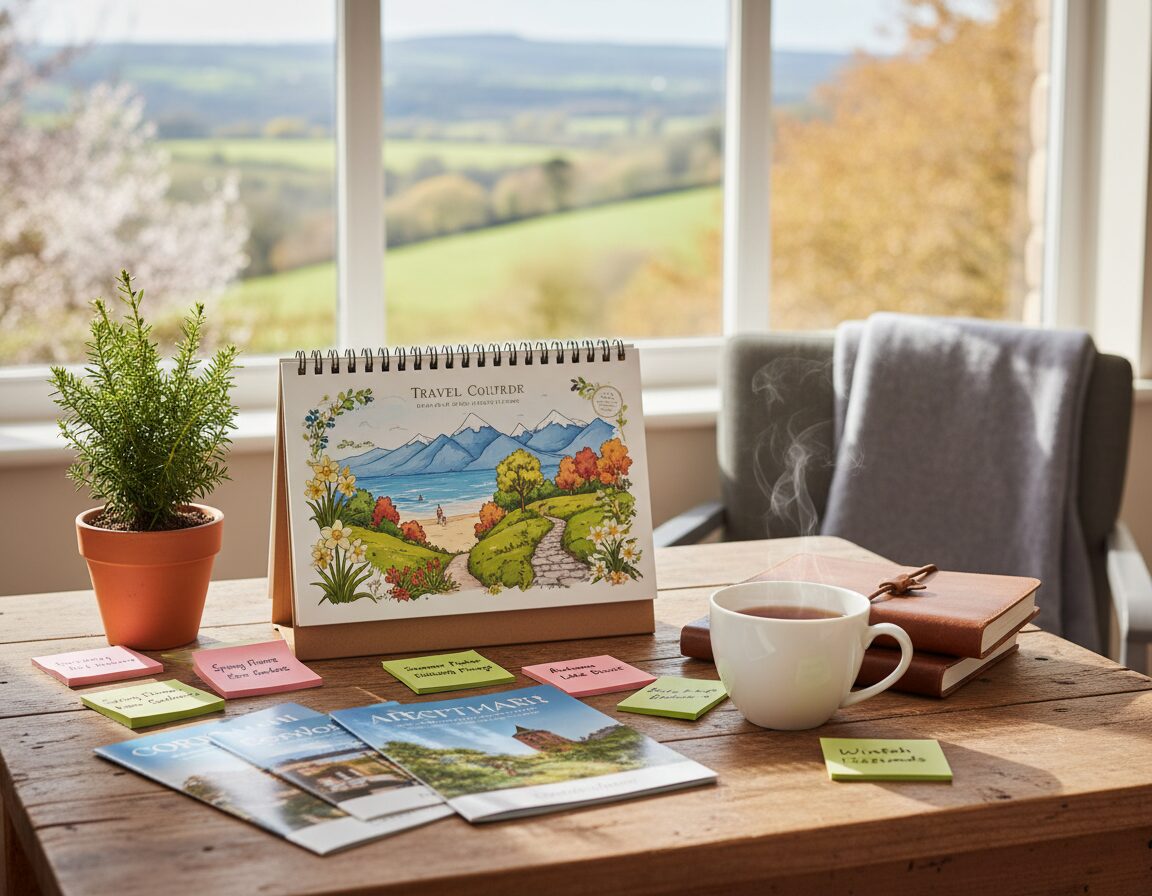
There’s a simple secret to getting the most from your getaways—it’s all about aligning your adventures with nature’s own calendar.
I’ve learned that matching a destination to its unique seasonal rhythm turns a simple holiday into something truly special. You start to notice how weather patterns shift and wildlife calendars unfold, creating moments you’ll remember for years.
Choosing the right window means you can enjoy milder days, richer encounters with nature, and far calmer crowds than during the usual rush. It’s a more thoughtful way to travel.
Over the years, I’ve found that having a guide who understands these local rhythms is invaluable. That’s why I often look to companies like Travelsphere for escorted tours—their experts handle the complex logistics, leaving you free to soak up every experience.
My aim here is to help you navigate the world’s changing seasons, so you can focus entirely on the joy of discovery.
Key Takeaways
- Align your journeys with a destination’s natural seasonal rhythm for a more rewarding experience.
- Consider weather patterns and wildlife activity to choose the most enriching time to visit.
- Travelling outside peak periods often means milder conditions and fewer crowds.
- Expert-led tours can simplify logistics and provide deeper local insight.
- A thoughtful approach to timing transforms a standard holiday into a memorable adventure.
- Focusing on the right season allows you to fully immerse yourself in the pleasures of travel.
Understanding the UK’s Unique Seasons
The rhythm of the year changes dramatically depending on where you stand on the globe. I always remind friends that while we enjoy long June days here, it’s winter in South Africa. This flip in seasons is crucial to grasp.
Near the equator, the cycle hinges on wet and dry periods, not our familiar four seasons. March shows this contrast perfectly. It can be cool and blossom-filled in Japan, yet already warming up in North India.
Seasonal Variations and Weather Patterns
When I look at a destination, I check temperature, rainfall, and humidity. But I also think about activities like wine harvests. Getting this right means your plans match the local conditions you want.
The table below shows how different regions operate. It helps you visualise the best time for your journey.
| Region | Key Seasonal Pattern | Typical March Conditions | Top Travel Consideration |
|---|---|---|---|
| United Kingdom | Four distinct seasons | Cool, spring blossoms | Unpredictable showers |
| Southern Hemisphere (e.g., South Africa) | Seasons opposite to UK | Warm, end of summer | Plan for southern winter in June |
| Tropical Zone (e.g., North India) | Wet and dry cycles | Warming, pre-monsoon | Avoid peak monsoon rainfall |
Festivals and Cultural Events
Local celebrations are deeply tied to the time of year. They offer a wonderful way to connect with a place. Understanding these variations is the best way to ensure your experience is authentic and rich.
Aligning your travel with these moments creates memories that last. It turns a simple holiday into something much deeper.
Reflecting on My Seasonal Travel Experiences
I’ve learned that the when of a holiday can be just as important as the where. My most cherished memories are anchored to a specific moment in the year.
Standing before Petra’s pink sandstone treasury in Jordan was breathtaking. Visiting in the spring meant the temperatures were gentle, making the long walks through the siq far more manageable.
Memorable Trips and Personal Lessons
Similarly, the lantern-lit lanes of Kyoto possess a magic that only appears at a certain time. I’ve found these places have a perfect window when they truly shine.
These journeys taught me that a well-timed escorted tour is invaluable. It aligns the right month with the specific encounter you’re seeking.
| Destination | Ideal Seasonal Window | Personal Insight Gained |
|---|---|---|
| Petra, Jordan | Spring (March-May) | Milder weather makes extensive exploration enjoyable. |
| Kyoto, Japan | Specific festival periods | Cultural atmosphere is intensified at the right moment. |
| General Principle | Shoulder seasons | Balancing adventure with local conditions reduces stress. |
Reflecting on this, I now prioritise destinations where I can soak up the local culture. The goal is to enjoy the experience without battling overwhelming crowds.
Proven Methods for planning seasonal trips
I’ve found that the secret to a smoother journey often lies in choosing the right weeks, not just the right place. It’s a simple shift in thinking that makes everything from your budget to your daily enjoyment work better.
You learn to move with the natural ebb and flow of a destination’s visitor calendar.
Balancing Peak and Shoulder Seasons
I always suggest travellers take advantage of the shoulder periods. These are the weeks just before and after the busiest times.
They usually deliver the best balance of price, pleasant weather, and breathing room at major sights. You get the experience without the overwhelm.
| Factor | Peak Season | Shoulder Season |
|---|---|---|
| Cost | Highest | Significantly Lower |
| Crowds | Very Busy | Manageable |
| Weather | Often Hottest/Coldest | Typically Milder |
| Booking Lead Time | Essential | Recommended |
Insider Booking Tips
When I book long-haul tours, I secure my place 6 to 9 months ahead. This avoids disappointment and locks in the best options.
Last-minute adventures can be thrilling, but planning early helps you travel smoothly. My top tip is to always check local festival and wildlife calendars first.
They pinpoint the perfect time to visit. For more detailed off-season booking advice, I’ve shared my full process.
Exploring the Best Destinations by Season
Some places have a secret season where they feel most alive, and discovering that window is a joy in itself. It’s about knowing when a landscape or a city offers its richest experiences. This is just as true for finding the best time to visit the Lake as it is for more distant favourites.
Spring and Summer Adventures
In the spring, I love visiting Japan from late March to early April. This is when the Sakura cherry blossoms are in their full, glorious bloom. It’s a fleeting moment that defines the entire season.
Closer to home, the Amalfi Coast in April is a dream. You get pleasant weather, with temperatures between 13°C and 20°C. The real bonus is avoiding the massive summer crowds that arrive later.
For a proper summer adventure, I recommend Scandinavia under the midnight sun. The clear Nordic light is absolutely perfect for capturing stunning photographs. It feels like the day never ends.
Autumn and Winter Retreats
As the heat fades, I find the Mediterranean is at its most inviting from September to October. The seas stay warm for swimming and local markets brim with fresh produce. It’s a wonderfully relaxed time for a getaway.
My autumn travel plans often include South Africa. The Western Cape’s spring flowers are in bloom and the weather is ideal for exploring vineyards. It offers a completely different, yet equally rewarding, seasonal experience.
Local Travel Wisdom and Hidden Corners
My most genuine travel memories come from moments spent away from the main tourist drag. This is where local wisdom becomes your best guide.
Neighbourhood Gems in the UK
I apply this thinking everywhere. In Tirana, I visit the Bunk’Art museums in January when the city is quiet. I once attended San Sebastian’s Tamborrada on the 20th of January—a vibrant street celebration.
Closer to home, Glasgow has been a UNESCO City of Music since 2008. I enjoy the Kelvingrove Art Gallery most during the quieter months. These are the authentic places where local culture thrives.
My local travel wisdom is simple:
- Look for the spots where residents go, not just guidebook listings.
- Time your visit for quieter periods to soak up the atmosphere.
- Embrace local festivals for a true sense of place.
Finding these hidden corners is the best way to experience a country. It transforms your trips into something richer and more personal.
Smart Booking and Budget Management
A clever booking strategy can transform your travel budget, allowing you to experience more for your money.
It’s about spotting the right windows for value and using a few simple tactics.
Early Booking Advantages
Targeting the quieter months is the single biggest step for savings. I’ve found Boston’s low season offers prices 35-50% lower than the summer peak.
That’s a huge advantage for your budget. For expensive spots like Lucerne, I aim for October and November when prices dip.
This kind of planning turns dream destinations into affordable realities.
| Destination | Ideal Time for Value | Typical Price Advantage | Why It Works |
|---|---|---|---|
| Boston, USA | Late Autumn / Winter | 35-50% lower than summer | Fewer crowds, lower demand for flights and hotels. |
| Lucerne, Switzerland | October – November | Significant dip from peak rates | Pleasant weather remains after the summer rush. |
| General Principle | Shoulder & Low Seasons | Varies by location | Balances cost with comfortable conditions. |
Cost-effective Accommodation Tips
Securing your accommodations early is essential. I always mark my calendar with the free cancellation date.
One of my best tips is to call a hotel directly. Ask if they have a waitlist for cancellations.
It’s a brilliant way to secure a lovely room that others have let go.
Managing your budget this way means you can afford a longer holiday. You might even enjoy a more luxurious experience than you first thought possible.
Navigating Weather, Crowds, and Festival Timings
A truly smooth journey often hinges on how well you anticipate and adapt to three key factors: the climate, the number of visitors, and the local event calendar.
I’ve learned that winter in Southeast Asia brings bright days and comfortable humidity. It’s the best time for a tour. Similarly, India’s Golden Triangle from December to February offers pleasant weather, though major sites are busy.
New Zealand in December has long, light-filled days perfect for walking. In Chicago, I love the energy of St Patrick’s Day in March, despite the cold.
Staying Flexible with Changing Conditions
Being ready for change makes any trip better. Costa Rica’s green season from May to November shows the rainforests at their most vibrant.
Cape Town in July is a brisk 15°C, ideal for wine tasting without summer crowds. Exploring Bologna, part of Italy’s Motor Valley, lets you enjoy world-class food without the usual tourist rush.
| Destination | Season | Weather & Crowds | Key Consideration |
|---|---|---|---|
| Southeast Asia | Winter | Bright days, lower humidity, manageable crowds | Ideal for extensive touring and outdoor activities. |
| India (Golden Triangle) | Dec – Feb | Pleasant weather, very busy at key sites | Book accommodations and tours well in advance. |
| New Zealand | December | Long, light days, popular for summer holidays | Perfect for walking and fjord exploration. |
| Costa Rica | Green Season (May-Nov) | Lush landscapes, higher rainfall, fewer visitors | A wonderful way to see vibrant rainforests. |
This flexibility turns potential challenges into the highlights of your holiday. It’s about embracing the conditions you find.
Leveraging Off-Peak Benefits for Authentic Experiences
Choosing to travel during quieter months can unlock a destination’s true character. I discovered this in Luang Prabang, where storms roll through from May to October.
The sun often breaks through afterwards. It reveals beautiful, quiet temples without the usual crowds.
This approach offers excellent value for money. You get more room to breathe and connect with a place.
Leveraging off-peak benefits is the best way to ensure your experiences feel genuine. You avoid the packed tourist traps that dominate the peak season.
I find travelling when others are not supports local communities more effectively. Businesses appreciate your visit during slower times of the year.
Even a bit of rain shouldn’t dampen your spirits. Embracing the conditions you find is key to a memorable trip.
My advice is to embrace the off-peak season. It lets you see popular destinations in a way most people never do.
You might enjoy cooler days in summer hotspots or find peaceful moments in usually busy places. It transforms a standard holiday into something deeply personal.
Crafting Personal Itineraries for Unforgettable Journeys
The most rewarding journeys I’ve taken have always been those I’ve shaped myself, blending popular sights with personal discoveries. This approach turns a standard trip into a deeply personal story.
It allows you to respond to the local seasons and rhythms, avoiding the worst of the crowds. You get to enjoy a destination at its most authentic.
Integrating Local Insights and Recommendations
I always recommend using Wendy’s WOW List of Trusted Travel Experts when crafting a complex itinerary for a new country. These specialists handle the tricky logistics of a tour.
That leaves me more time to soak up the local culture. It’s the best way to ensure your holiday feels tailored to you.
For inspiring ideas on short getaways, local resources are invaluable. My own itineraries mix famous destinations with quiet spots I’ve found over the years.
This balance creates richer experiences. You might explore a bustling market in the morning, then find a peaceful garden in the afternoon.
Good planning considers the season. A spring trip could focus on blossoms, while a summer one seeks coastal breezes.
The goal is a journey that feels uniquely yours, not a generic path. It makes every travel experience truly memorable.
Conclusion
Looking back, I realise that my favourite journeys have all shared one simple quality: they felt perfectly timed. Getting the timing right lets you see a destination more authentically, without battling the worst of the crowds.
I hope my personal stories have given you plenty of ideas for your own future holidays. Whether you seek the gentle weather of spring or the long days of summer, choosing the right season transforms your experience.
Remember, the most successful travel involves a bit of flexibility. Start your planning early, stay curious, and you’ll surely create memories that last a lifetime.