
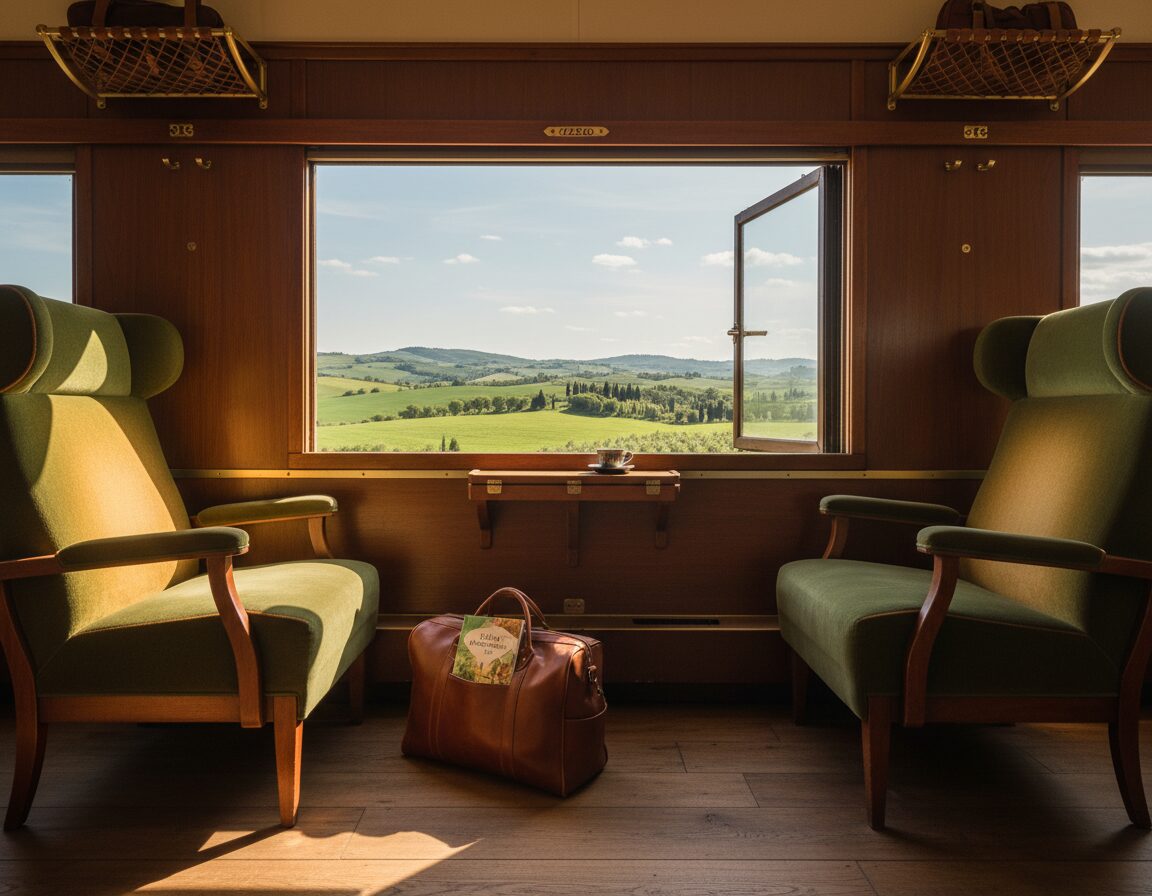
There’s a certain magic to gliding past vineyards and medieval villages that makes my best train travel europe tips always begin with embracing the journey itself.
I’ve spent years on the rails across continental Europe, and I’ve learned that the secret to a smooth trip isn’t just about the destination. It’s about understanding the little nuances—like how to navigate a bustling station or secure the best value for your time.
My goal is to share the practical wisdom I’ve gathered, so you can avoid common headaches. Whether you’re booking individual tickets or considering a flexible rail pass, a bit of know-how transforms a potentially stressful day into a comfortable adventure.
Let’s get you prepared for the wonderful unpredictability of exploring multiple countries by rail. Trust me, the view from your carriage window is worth every moment of planning.
Key Takeaways
- Planning and understanding local systems are fundamental for a hassle-free rail journey.
- Navigating major stations efficiently saves valuable time and reduces stress.
- Knowing when to book individual tickets versus using a pass is crucial for value.
- Packing light and keeping essentials accessible makes moving between trains simpler.
- Always validate your tickets or pass before boarding to avoid fines.
- Familiarise yourself with seat reservation policies, as they vary by country and service.
- Embrace a flexible mindset; delays and changes are part of the authentic experience.
Navigating Booking Systems and Journey Apps
One of the biggest mistakes I see people make is trusting their booking app’s suggested connection times. These digital platforms are brilliant for finding routes, but their algorithms prioritise speed over peace of mind. Let’s talk about how to use them wisely for a calmer day.
Adjusting Connection Times for Delays
Most apps will propose a tight 15-minute window between services. In my experience, that’s far too risky. Delays happen, and a frantic sprint through a vast station with luggage is a horrible way to start a journey.
I always recommend manually selecting an itinerary with at least 30 minutes between trains. This buffer is your best friend. Some apps let you extend this time in the settings—it’s a feature worth hunting for.
Avoiding Last-Minute Ticket Hassles
Careful planning here saves money and stress. The cheapest tickets are usually non-refundable, so be realistic about your schedule before you commit.
Always check you’re not relying on the final service of the day. A delay could leave you stranded, forcing a costly purchase at the station counter. Booking in advance secures better options and lets you review your journeys calmly at home.
Essential Train Travel Europe Tips for a Seamless Journey
Having the right information at your fingertips transforms a complex network of lines into a straightforward path forward. Let’s talk about the tools and knowledge that build confidence for your rail adventure.
Planning with Reliable Apps
I always start my planning on the official national operator websites. Third-party apps are convenient, but the source has the most accurate, live information.
This is especially important when your trip crosses borders. The local name for a city on your ticket might differ from what you know. A quick check prevents a last-minute panic at the platform.
Some nations, like Switzerland and the Netherlands, run their networks with clockwork precision. You can trust their timetables implicitly, which makes planning connections much simpler.
Understanding Train Timetables and Connections
I keep a physical map of the rail network in my bag. It helps me visualise how different lines link up across countries—something a tiny phone screen sometimes misses.
Remember, regional services don’t always follow the same strict rhythm as high-speed routes. Always double-check the local schedule for your specific day of travel.
The best way to avoid any confusion? Find the train number printed on your ticket and match it directly to the departure boards at the station. It’s the most reliable method I know.
By taking time to understand these simple rules, your entire experience becomes more enjoyable and far less stressful.
Selecting the Right Class and Seats
The comfort of your rail journey often hinges on a simple choice made during booking: which class and seat to select. It’s a decision that affects your space, view, and overall ease.
I always take a few extra moments here. Rushing through can lead to a less pleasant trip.
First Versus Second Class Considerations
Don’t assume first class is always out of reach. I often check its price because, booked well in advance, it can surprisingly cost less than second class.
For any trip longer than 90 minutes, I strongly advise making a seat reservation. It guarantees your spot and saves you from searching for one.
Choosing Window, Aisle or Table Seats
Think about your needs. A table seat is fantastic for a group, but remember—if someone sits opposite, legroom can shrink.
Airline-style seats offer more privacy and a handy tray table, ideal for solo travellers. If you have heavy bags, pick a spot near the exit doors for easier boarding.
Always look at the online seating plan when you book your tickets. This lets you choose a forward-facing seat if you prefer.
A small warning: on some modern carriages, the window seats don’t always line up with the window. If a view is important, check the plan carefully.
Taking time to choose wisely transforms your journey from merely functional to genuinely comfortable.
Managing Luggage and In-Train Comfort
Managing your belongings efficiently is a skill that pays off in calm and space. It directly shapes how relaxed you feel from the moment you board.
I focus on making my bags easy to handle. This simple priority removes a huge source of potential hassle.
Packing Smart for Easy Storage
I’ve found that two medium bags beat one large suitcase every time. They are far simpler to fit into the often-limited overhead racks.
As soon as you step on, stow your luggage immediately. The spaces near the doors vanish quickly on busy services.
Never pass an empty rack. If you see one, use it. You might not find another by your seat.
Keep your valuables in a small daypack. If you must use a rack further down the carriage, you know your important items are safe with you.
Lighter bags make navigating a bustling station and finding your platform a breeze. This is especially useful when planning a multi-stop itinerary.
If you’re struggling, check under your seat. That gap is a perfect, overlooked spot for a medium bag.
Planning Around Timetables and Potential Delays
Building a generous buffer into your plans is the single most effective defence against disruption. I’ve learned that the rhythm of services isn’t constant—it dances to the tune of weekends, holidays, and essential upkeep.
My golden rule? Avoid long-distance journeys on Saturdays and Sundays if you can. This is when most rail networks schedule major maintenance. In Britain and parts of the continent, you might face a bus replacement service instead.
Allowing Extra Time for Connections
Always check the timetable for your specific days of travel. Regional services don’t always run to a weekly clockwork pattern like high-speed trains.
If you’re crossing borders, remember public holidays vary between countries. A normal Tuesday in one nation could be a reduced Sunday schedule in the next.
I plan for a buffer of at least an hour between connections. A short delay on your first trip won’t then cascade into a missed second leg. If you do get stuck at a station, use the time wisely—grab a coffee or a bite to eat.
This approach keeps stress low. You can enjoy the ride, knowing your schedule has room to breathe.
Exploring Scenic Rail Routes and Night Trains
The charm of rail travel deepens when you venture onto routes celebrated for their vistas or opt for the romance of a sleeper service. These aren’t just trips from A to B—they’re the highlight of the adventure itself.
Enjoying Panoramic Views Along the Way
I’ve found that some routes, like the one through Portugal’s Douro Valley, offer a front-row seat to landscapes that take your breath away. On many scenic services, the best perspective is only on one side.
Don’t be shy about changing seats if a better one frees up. For inspiration, I’ve shared my picks for the most spectacular rail journeys on the continent. It’s about making the journey the destination.
Experiencing the Charm of Night Trains
Taking a night train is a brilliant way to save on a hotel and maximise your time. A bunk in a shared cabin on a route like Amsterdam to Zurich can cost as little as €30.
For a more luxurious experience, private cabins with showers are available. My advice is to book these popular trains well ahead, especially in summer.
Always keep your valuables close and consider a small lock for your luggage. Waking up in a new city as you pull into the station is a uniquely magical way to arrive.
Utilising Local Station Resources and Information Desks
The moment you arrive, the station itself becomes your most valuable tool for navigating the next part of your trip. I always head straight for the information desk at major hubs like Milano Centrale or Frankfurt Hbf.
The staff there usually speak excellent English and can provide local maps or clarify transport links. This simple step saves a huge amount of time and confusion.
Mapping Your Route to Accommodation
Before you even leave the concourse, make a note of the first street you need. Use your phone to identify a landmark near your lodgings—a café or a distinctive shop.
I look for a place that’s well-connected by public transport, not necessarily right next to the train station. Stations like Bologna Centrale are brilliantly integrated into the city, making navigation straightforward.
If your journey takes you to parts of Eastern Europe, a translation app is handy for reading signs. Always keep an eye on your bags in any busy area.
Whether you take a taxi or the metro, having a plan for that final leg makes your arrival smooth. Using these local resources lets you start your adventure on the right foot.
Optimising Your Booking Strategy and Travel Options
I’ve saved a small fortune over the years by learning where and when to book my tickets. A thoughtful approach here makes your budget go further and removes a layer of worry.

Comparing National Operator Websites
My first stop is always the official national rail site. For a trip in Germany, I use Deutsche Bahn (DB). For France, it’s SNCF.
These sites list the very lowest fares. They also have the most accurate, live information. You might need to toggle the language to English, but it’s worth it.
For a complex, cross-border itinerary, I check each operator involved. Sometimes one company offers a much better deal for the same international route.
Balancing Cost with Convenience
Booking well in advance secures the cheapest tickets. These are limited and sell out fast on popular routes.
I weigh up the price against the hassle. Paying a bit more for a direct service often beats a cheaper ticket with multiple stressful changes.
If you’re visiting several nations, a rail pass can be brilliant value. Always run the numbers for your specific plan, though. Individual tickets can sometimes be cheaper.
| Booking Channel | Best For | Key Advantage | Consideration |
|---|---|---|---|
| National Operator Website | Domestic & international journeys | Lowest fares, live updates | Requires local language toggle |
| Third-Party Aggregator | Comparing multiple routes | Convenient, English interface | May have booking fees |
| Station Counter | Last-minute tickets | Personal assistance | Limited availability, higher cost |
Being flexible with your days helps too. Mid-week departures are often kinder on your wallet than weekend ones.
Conclusion
I truly believe that a bit of forethought is all you need to turn a potential logistical puzzle into a smooth adventure.
I hope these tips help you feel confident as you plan your continental rail travel.
Remember, the key to stress-free travel is preparation—from securing your tickets early to knowing your way around the station.
Don’t hesitate to ask for help at information desks when you arrive in a new city.
Whether you’re on a high-speed train or a scenic route, take a moment to soak in the beautiful views.
The most memorable parts of my trips are often unplanned. Stay flexible and keep an open mind.
Thank you for reading. I wish you a wonderful and smooth journey exploring by rail.