
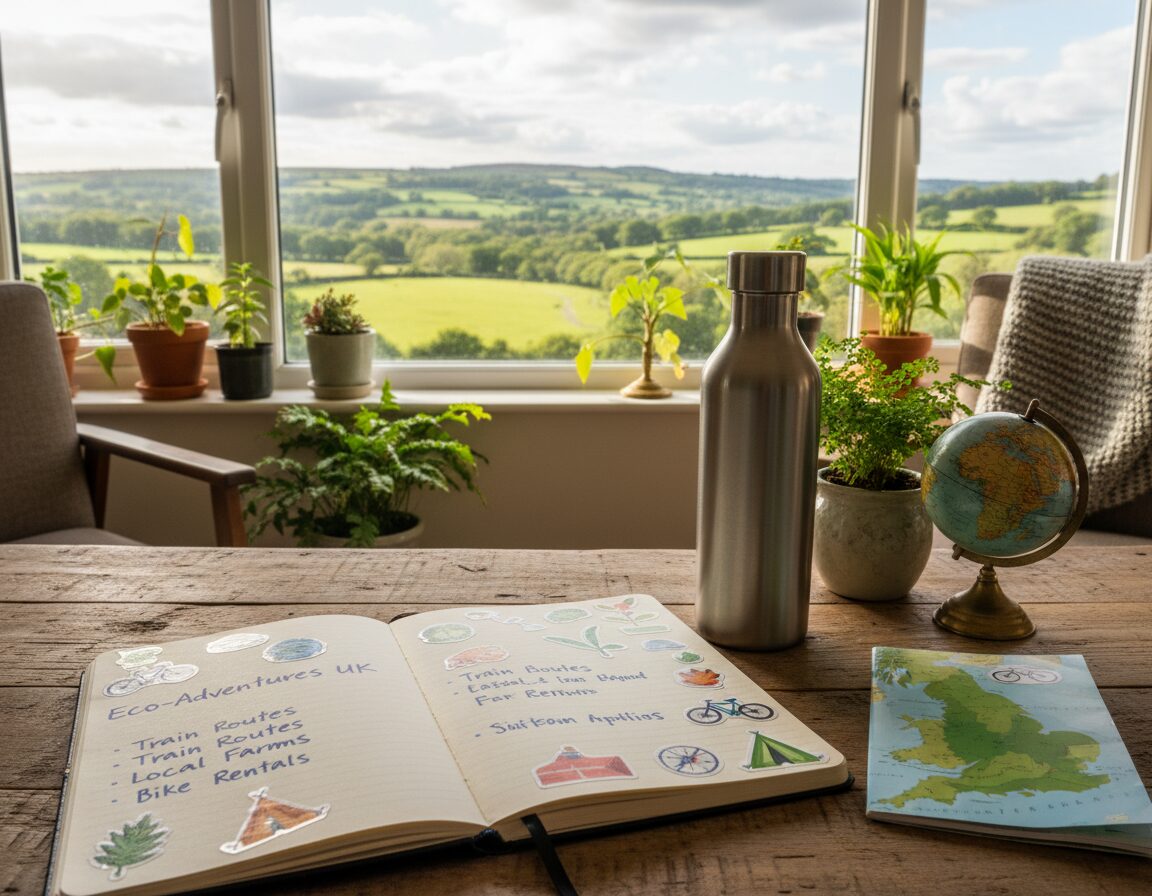
Remember that feeling of returning from a holiday feeling genuinely refreshed, not guilty? I’ve spent years chasing that balance—where my adventures leave a positive mark. Getting your sustainable trip planning right doesn’t need to be complex; it’s about intentional choices that soon become second nature.
My own journeys across the UK have taught me that the most meaningful travel experiences are those that support local communities and protect our natural landscapes. I want to help you navigate the modern complexities of getting away.
This guide is a reflection of my personal commitment. It’s packed with the same practical tools I use to plan my own low-impact holidays. Whether you’re dreaming of coastal walks or city breaks, thinking consciously about your travel can transform a simple weekend.
For some immediate inspiration, have a look at my picks for the 10 best weekend escapes from London. It’s a great place to start putting these ideas into practice.
Key Takeaways
- Intentional choices make sustainable travel a natural part of your journey.
- Focus on supporting local communities and businesses during your travels.
- Protecting the natural environment enhances your experience and its future.
- Practical planning tools can simplify low-impact holiday organisation.
- Meaningful travel is about balance—enjoying yourself while leaving a positive mark.
- Every adventure is an opportunity to contribute to the health of our world.
Embracing a Conscious Approach to Sustainable Trip Planning
Discovering the scale of environmental challenges made me reconsider every aspect of how I travel. When I learned that 2024 was the first year to surpass the 1.5°C global warming threshold, the urgency became personal. Knowing that a million animal and plant species face extinction due to human activity broke my heart.
My journey towards mindful travel
This awareness sparked my shift. I realised that true tourism should balance our enjoyment with nature’s needs. It’s about leaving places better than we found them.
I now see this mindful approach as a state of being. It shapes how I interact with both the environment and local communities. Every choice matters for future generations.
Key principles of sustainable tourism
The core idea is simple: travel in ways that support rather than harm. This means prioritising local economies and protecting natural habitats. It’s about taking responsibility for our footprint.
| Principle | Traditional Tourism | Conscious Tourism |
|---|---|---|
| Primary Focus | Personal convenience and cost | Environmental and social impact |
| Nature Engagement | Often passive or disruptive | Active protection and respect |
| Community Connection | Minimal, transactional | Meaningful, supportive relationships |
| Time Perspective | Short-term enjoyment | Long-term preservation |
Adopting this mindset transforms ordinary holidays into positive contributions. For practical ways to begin, explore these sustainable travel tips. Small changes create significant difference over time.
Choosing the Right Transportation for a Lower Carbon Footprint
I’ve come to realise that how I get somewhere is just as important as where I’m going. The statistics are clear—transport creates at least 70% of a holiday’s emissions. This makes it the biggest area where my choices can make a real difference.
Efficient alternatives to flying
I always check rail and coach options first. Taking the train within the UK emits about six times less carbon than flying. The bus is an even better choice—it emits roughly nine times less.
These numbers guided my shift away from short-haul flights. Now, I see land travel as my default for UK adventures.
Exploring the benefits of trains and buses
There’s a practical joy in this way to travel. Planning my route in advance helps me find the most efficient journey without relying on planes.
I get to watch the landscape unfold outside my window. This connection to the places I pass through feels far more rewarding than flying overhead. It turns the journey into part of the experience itself.
Optimising Your Packing for Minimal Impact
I’ve learned that a thoughtfully packed suitcase is the first step towards a lighter journey. After sorting my transport, I focus on what goes inside my bag.
This shift in mindset turns preparation into a positive act. It’s about bringing only what I truly need.
Adopting the three Rs: Reduce, Reuse, Recycle
I apply a simple mantra: Reduce, Reuse, Recycle. It guides every item I pack. First, I reduce by choosing a capsule wardrobe. This makes my travel simpler and my bag lighter.
Next, I reuse essential items. A fabric shopping bag and a refillable water bottle live permanently in my luggage. They are vital resources that stop me from needing disposable alternatives.
Finally, I think about recycling by avoiding single-use plastic from the start. Solid toiletries and reusable cotton pads are my go-to way to do this.
Here’s how my habits have changed:
| Principle | My Old Packing Habit | My Current Conscious Approach |
|---|---|---|
| Shopping Bag | Accepting single-use plastic bags | Packing a reusable fabric bag |
| Hydration | Buying bottled water daily | Carrying a refillable bottle |
| Wardrobe | Overpacking ‘just in case’ | Curating a versatile capsule wardrobe |
| Toiletries | Liquid products in plastic bottles | Solid bars and reusable cotton pads |
These small choices add up. They make moving around easier and leave less behind.
Identifying Eco-Friendly Accommodations and Resources
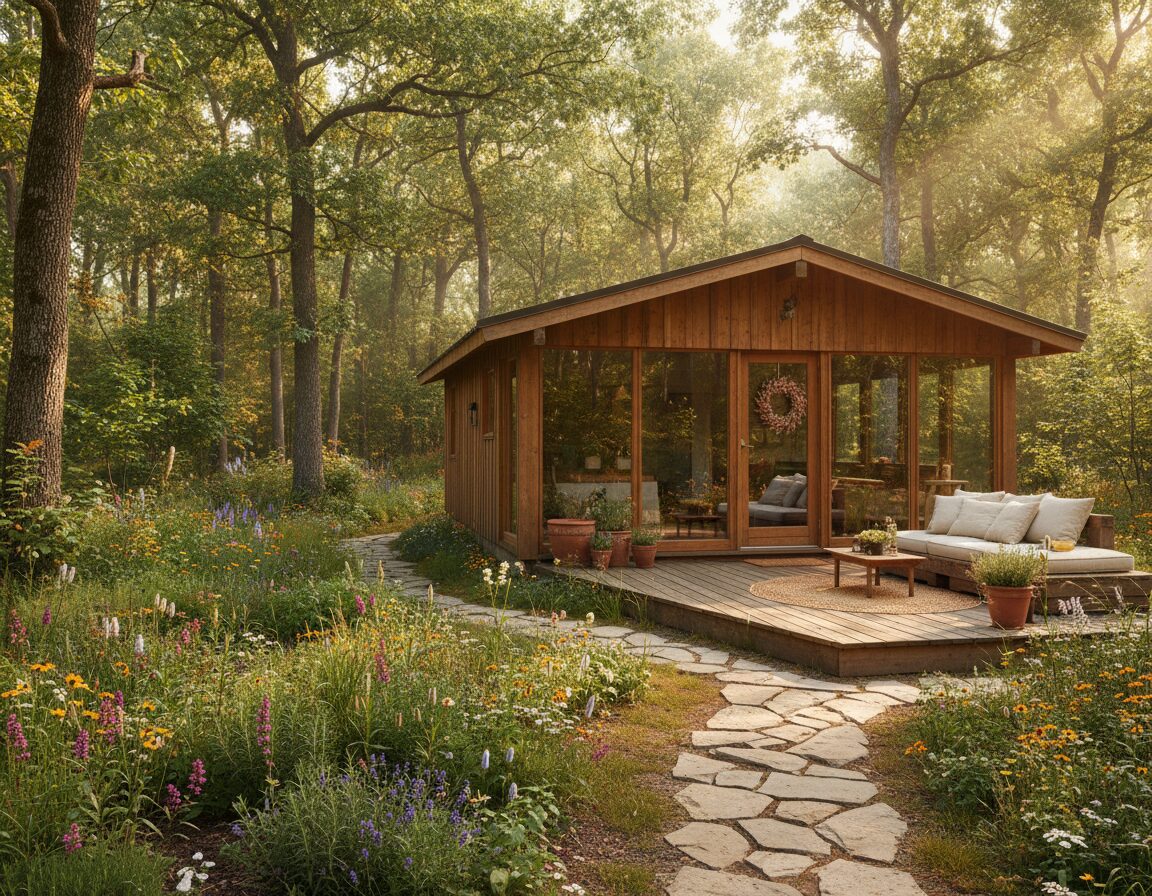
Where you rest your head can be one of the biggest parts of your holiday’s footprint. A typical UK hotel stay creates about 31.1kg of CO2 each night. That fact changed how I look for a place to stay.
How I select green hotels and community stays
My first step is often to bypass the big booking sites. They can take 15% to 30% in commission. When I book directly, I know the business gets 100% of the money.
This helps them fund their own green projects. It’s a simple step I always take. For a deeper dive into this process, my guide on booking eco-friendly hotels has more tips.
I also look for stays rooted in the local community. Many now use website filters to highlight waste reduction and water saving. This makes my choice much clearer.
Evaluating certifications and eco initiatives
I always check for proper environmental certifications. That 31.1kg CO2 figure is why it matters so much. I look for partners recognised by the Global Sustainable Tourism Council, like EarthCheck.
This gives me confidence they’re genuinely committed. It shows they care for the local environment and the wider world.
| Booking Approach | Financial Impact | Support Level |
|---|---|---|
| Direct with Hotel/B&B | Business keeps 100% of your money. | High. Funds go straight into local sustainability efforts. |
| Large Online Platform | Business loses 15-30% to commission. | Low. Less money remains for green initiatives. |
| Community-Led Stay | Money circulates within the local economy. | Very High. Directly supports people and place. |
Exploring Local Destinations and Hidden Gems
Seeking out hidden gems allows me to travel in a way that feels both personal and purposeful. I’ve found that the most rewarding adventures often happen off the beaten track. It’s about more than just seeing a famous landmark; it’s about feeling the heartbeat of a community.
Discovering sustainable neighbourhoods and attractions
I love visiting places like Costa Rica for inspiration. Their government halted deforestation in the 1980s to protect biodiversity. Today, over 50% of their land is forest, compared to just 26% in 1983.
This proves that mindful tourism can actively restore natural habitats. When I pick a UK destination, I seek out local neighbourhoods that prioritise green spaces. These areas offer a more authentic experience.
Choosing lesser-known destinations helps prevent overtourism. It gives popular sites the breathing room they need. My visit then supports community-based ecotourism.
This ensures my holiday contributes to protecting the land and supporting local livelihoods. It turns every journey into a positive force for the place I’m exploring.
Practical Tips for Conserving Water, Energy and Reducing Waste
Small daily habits during my holidays have taught me that conserving resources is both simple and impactful. It’s about respecting the place I’m visiting as if it were my own home. This mindset helps me minimise my footprint without sacrificing comfort.
My strategies for efficient resource use on holiday
I start by treating my accommodation like my own house. I always switch off lights and unplug chargers when I leave the room. This simple act cuts down on unnecessary energy consumption.
Being careful with water is another priority. In many areas, local people depend on the same supply. I take shorter showers and report any drips I notice.
I also carry a small reusable bag in my daypack. It acts as a ‘trash pocket’ for any litter I generate. This ensures I leave no trace of my waste behind.
Ultimately, using only what I need preserves vital resources. It reduces strain on local infrastructure and makes me a more considerate guest.
Incorporating Sustainable Trip Planning Throughout Your Journey
Making a positive impact while travelling isn’t a separate task; it’s the thread that ties the whole experience together. My best holidays happen when I weave mindful choices into every stage.
Integrating eco-friendly practices from start to finish
I begin by learning about my destination’s culture and environment. This research is a vital part of my preparation. It helps me behave respectfully towards local people from the moment I arrive.
Choosing the right activities is key. I look for ones that support conservation efforts. A good example is visiting legitimate elephant sanctuaries that focus on animal welfare, not exploitation.
Planning my route in advance is the main reason I can pick greener transport. This thoughtful way to travel often saves money. It also provides a deeper, more connected experience.
My efforts are always rewarded. The genuine connections I make with communities make every journey feel more meaningful. This is the true joy of mindful travel.
| Journey Stage | Traditional Holiday Mindset | Integrated Conscious Approach |
|---|---|---|
| Research | Focuses on attractions and convenience. | Includes cultural and environmental context. |
| Transport | Chooses the fastest/cheapest option. | Prioritises lower-carbon routes and modes. |
| Activities | Seeks entertainment and photo opportunities. | Selects experiences that support conservation. |
| Engagement | Interaction is often transactional. | Aims for meaningful community connection. |
This integrated approach works for any adventure. For a complex itinerary, check out my guide on how to plan a multi-destination European trip conscientiously.
Conclusion
Your next adventure is an opportunity to create positive memories while caring for our shared world. This mindful way to travel is deeply rewarding. It lets you explore new places while respecting the local environment and the people who call it home.
By making simple choices—like cutting down on plastic, taking the train, or booking directly with a local hotel—you ensure your holiday leaves a good mark. Your money then supports communities and protects natural resources.
Remember, even small efforts add up over time. I hope this guide gives you the confidence to plan your next break with intention. Every journey is a chance to learn and connect more meaningfully.
So take the time to research your destination. Enjoy the unique experience that comes from travelling with care.