
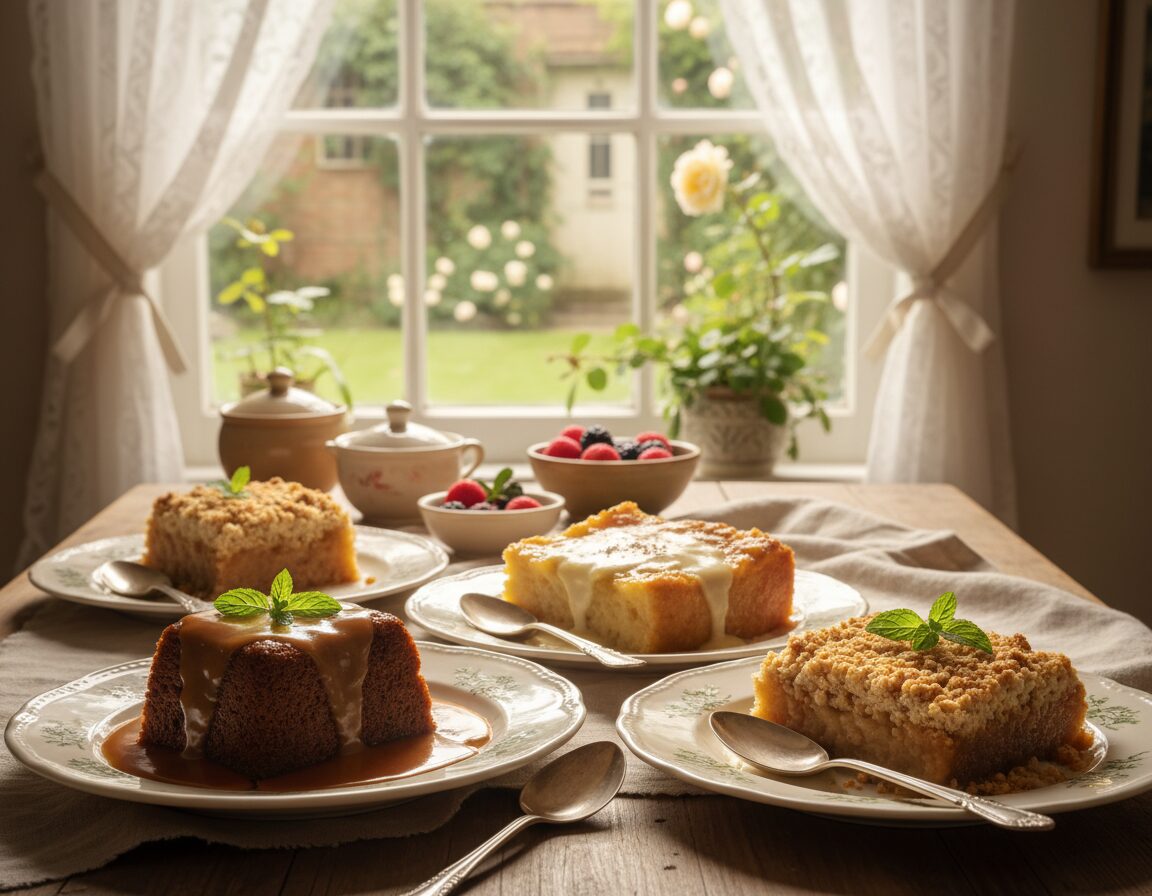
I keep a short list of british comfort desserts I actually make when someone says they want “something cosy” — from sticky toffee to a bright summer pudding.
I’ll set expectations straight away. These are my real-life picks for puddings that feel warm and forgiving — the sort you reach for after a long day.
I write for UK kitchens: storecupboard staples, easy supermarket swaps and timing that fits weeknights or a relaxed weekend. I’ll start with hot puddings, then chilled make-ahead dishes, and finish with quick summer favourites and cake-style options.
My serving logic is simple — custard for full-on nostalgia, ice cream for contrast, cream when I want something softer and less sweet. None of these need perfect baking skills; it’s the small choices that make a recipe taste right.
Key Takeaways
- I share practical, tested recipes you can make with common storecupboard items.
- Puddings range from light and fruity to satisfyingly stodgy — pick by mood.
- Custard, ice cream or cream are my default serving choices for best results.
- Recipes are tailored for UK timing — weeknight friendly or weekend relaxed cooks.
- No expert skills needed — focus on simple swaps and small finishing touches.
How I decide which dessert hits the spot
My choice starts with who’s at the table and how much time I’ve got. If people come in cold after a walk, I tend to pick something I can serve warm. Heat and smell do half the job — sauce bubbling, steam rising — and custard helps sell that homely feeling.
When I want something light but still pleasing, I reach for fruit and a spoonful of cream. It feels like a treat without being heavy. Berries in season make a simple pudding feel clever and bright.
When I want spoonable, saucy and cosy
I pick a pudding that’s soft in the middle and saucy at the edges. Custard is my quick win here — it takes seconds to warm and lifts even simple recipes into proper pudding territory.
When I want light, fresh and easy
For a lighter finish I choose fruit-led plates with a dollop of cream. They’re fast, pleasing and keep the meal balanced. Good fruit in season beats elaborate baking any day.
When I need make-ahead flexibility
If I’m hosting, make-ahead rules. I prefer dishes that improve overnight or sit happily in the fridge. That way I buy myself time and a calmer evening.
- Decision tree: warm & spoonable = pudding + custard; light & fresh = fruit + cream.
- Texture: saucy for comfort; airy for finish.
- Season: apples and spice in winter; berries in summer.
- Practical: custard and cream are effort multipliers — small additions, big payoff.
| Situation | My pick | Why it works | Prep time |
|---|---|---|---|
| Cold guests after a walk | Sticky, spoonable pudding with custard | Warmth and aroma comfort everyone; custard adds nostalgia | 30–45 mins |
| Light evening meal | Seasonal fruit with whipped cream | Bright, not heavy; quick to assemble | 10–15 mins |
| Hosting and time-poor | Make-ahead trifle or baked rice pudding | Improves overnight; less faff on the day | Prep ahead, finish 10 mins |
| Kids or casual bakers | Bread-and-butter pudding | Uses storecupboard staples; forgiving textures | 40–50 mins |
When you want an example of a reliably warm crowd-pleaser, I link to my go-to sticky toffee recipe for those Sunday-lunch vibes: sticky toffee pudding recipe. It’s exactly the sort of pudding I reach for when time is tight but the group needs something proper.
Sticky toffee pudding with vanilla ice cream (the Sunday-lunch classic)
For a proper Sunday hit, I reach for a sponge that’s dark, sticky and forgiving.
I want a warm, buttery toffee edge and a soft centre that soaks up sauce. Medjool dates give that deep, caramel-like note and the natural stickiness that keeps the sponge moist. Use them if you can—chopped and simmered briefly into the mix.
Why Medjool dates make a difference
Medjool dates add rich, rounded sweetness and a fudgy texture. Drier dates need more syrup to hit the same toffee flavour.
How I serve it so the sauce stays glossy and hot
I warm the sauce gently on the hob and heat plates if it’s cold. Spoon sauce around each portion, then add a scoop of vanilla ice cream at the last second so it melts slowly.
My go-to swaps and a balancing tip
- Swap ice cream for softly whipped cream when I want less chill.
- Add a splash of whisky or dark rum for a grown-up version.
- If too sweet, a pinch of salt in the sauce or a little lemon zest lifts it nicely.
| Element | Goal | Timing | Tip |
|---|---|---|---|
| Sponge | Dark, moist, sticky | 35–40 mins; check early | Don’t overbake—tester should be slightly damp |
| Dates | Deep caramel flavour | Soak/simmer 5–10 mins | Use Medjool for best texture |
| Sauce | Glossy, buttery | Reheat gently before serving | Pinch of salt or lemon zest to balance |
Bread and butter pudding with vanilla custard (the best use of stale bread)
When a loaf is past its best, I turn it into an honest bread butter pudding that smells like a proper meal. It’s cheap, forgiving and a good weeknight rescue.
Sliced vs cubed bread, and why butter really matters
Slices give neat layers and a golden top. Cubes make it spoonable and squishy. Both work — pick the mood you want.
Butter properly: spread right to the crust. If you skimp, the pudding tastes thin. If you butter well, the top goes golden and the middle stays rich rather than eggy.
Flavour lifts I actually notice
- Grate a little lemon zest for freshness.
- Stir in dried fruit for tiny bursts of sweetness.
- Try a marmalade spoon for a tea-and-toast tang.
How to avoid soggy middles and burnt edges
Let the slices or cubes soak for 10–20 minutes so the mix penetrates. Bake in a moderate oven on a lower shelf. Use a deeper dish or foil if the top colours too fast.
What I serve it with
I go classic with warm vanilla custard. For indulgence, add clotted cream. For contrast, a scoop of ice cream does the trick.
Old-school apple crumble (and why it’s still unbeatable in winter)
An old-school apple crumble is the sort of pudding I fall back on when the evenings turn sharp. It’s minimal fuss and maximum goodwill — kids and grandparents both approve.
Choosing apples for the right sweet-sharp balance
I work with a mix. A softer apple gives body; a sharp one keeps the filling lively. That stops the fruit turning into one-note apple sauce under the topping.
Custard vs vanilla ice cream: how I pick on the day
If it’s properly cold, I go for warm custard — everything stays cosy and steaming. On milder nights I choose vanilla ice cream for that hot-and-cold contrast.
My favourite variations: apple and rhubarb, plum, peach cobbler-style
I often swap half the apples for rhubarb when I want tang. Plum works well if ripe, and a peach cobbler-style version is my summer-version treat.
- I keep the crumble topping loose — more crumbs than dough — with just enough sugar for crunch without hardness.
- Rest the dish for 10 minutes before serving so the fruit stops bubbling and you get clean spoonfuls.
- It’s one of my go-to recipes in the season when apples are cheap and forgiving.
| Aspect | My approach | Why it works |
|---|---|---|
| Apple mix | Bramley + a sharper dessert apple | Soft flesh plus bright acidity keeps texture and flavour |
| Topping | Butter, flour, oats, light sugar | Crumbly, crunchy edges without a hard crust |
| Serving | Warm custard or a scoop of ice cream | Custard for cold nights; ice cream for contrast |
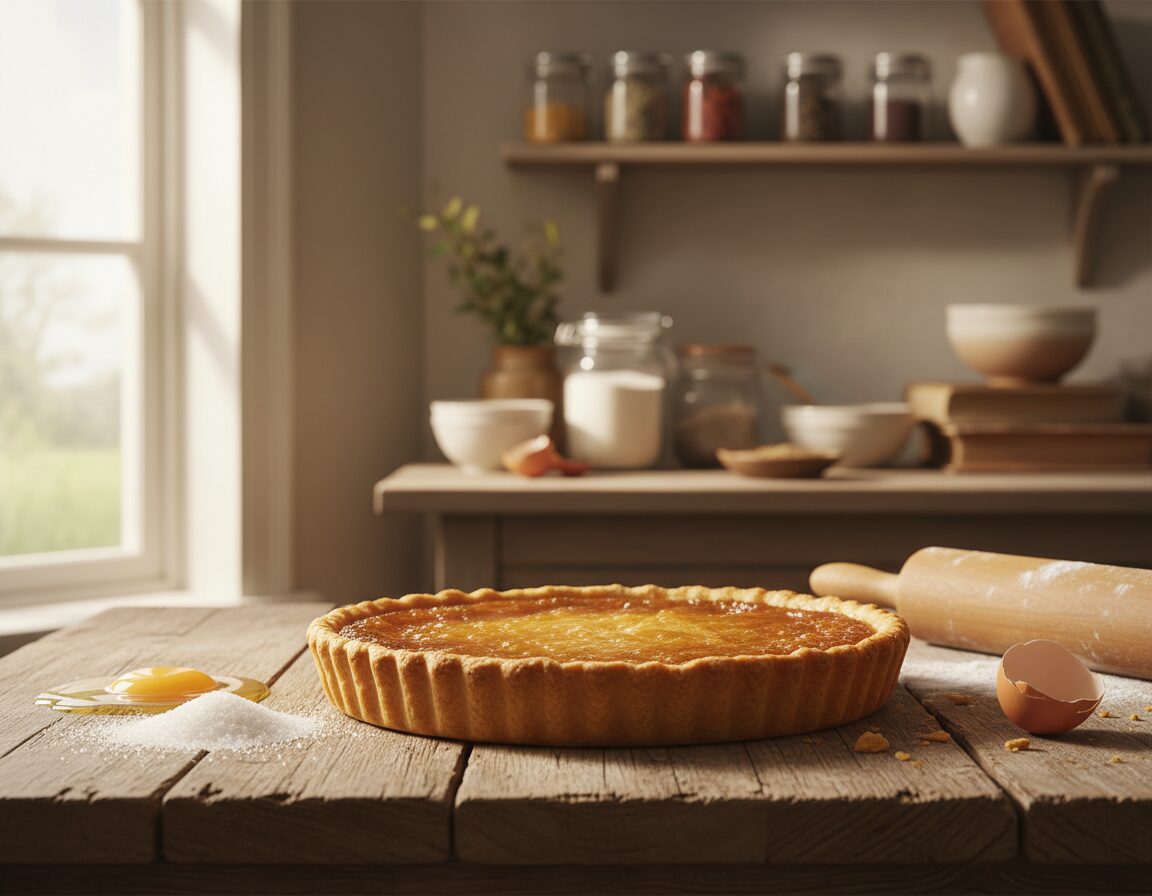
Treacle tart with a proper shortcrust base
I learned to respect treacle tart after a few gloopy failures and one perfect slice that taught me everything. This version keeps the filling sticky but not claggy, and the pastry crisp so each bite has contrast.
What “treacle” means in practice
In the UK treacle tart usually uses golden syrup rather than the dark molasses some people expect. Golden syrup gives bright, clean sweetness and a glossy finish that looks right on a slice.
How I stop the filling turning heavy
I use fewer breadcrumbs than many recipes. Too much breadcrumb soaks up the syrup and makes the filling dense.
Tip: a light handful of fine breadcrumbs is enough to give body without weight. Bake until the filling is set at the edge but still slightly wobbly in the centre—it will firm as it cools.
Serving ideas I actually use
Vanilla ice cream gives cool contrast. Softly whipped cream makes it gentler. A scatter of lemon zest or a little juice cuts through the sugar and lifts every mouthful.
This is a great make-ahead pud — it holds at room temperature and still slices nicely later.
- Sweet, sticky filling in a crisp shortcrust pastry case.
- Keep the filling thinish so the slice is tidy.
- Use golden syrup for the classic flavour.
| Element | My approach | Why it works |
|---|---|---|
| Pastry | Shortcrust, blind-baked until pale golden | Crisp base holds slice and balances the syrup |
| Filling | Golden syrup + light breadcrumbs | Sticky but sliceable; avoids claggy weight |
| Doneness | Edges set, centre slightly wobbly | Firms on cooling for clean slices |
| Serve | Vanilla ice cream, whipped cream, or lemon zest | Contrast or a sharp finish to cut the sugar |
For a recipe I use as my go-to, try my classic treacle tart recipe — it shows the pastry and filling balance I prefer.
Steamed sponge pudding (golden syrup, lemon, and lots of custard)
There’s something quietly miraculous about a sponge that’s been cooked in steam rather than an oven. The texture is softer and more yielding — a proper light sponge that stays moist for hours.
Why I bother steaming: it gives a lighter, airier crumb than baking. The trapped steam keeps the pudding tender and the sauce glossy. It feels like an old-school pudding done well.
Simple set-up that won’t scare you
Keep it low and steady. A gentle simmer, lid on, and don’t let the pan boil dry. That’s the only part that catches people out — and it’s easy to avoid.
Flavour routes and serving
Golden syrup with a touch of lemon gives sweet, buttery depth and a bright note to stop it tasting flat. Serve with generous warm custard — it’s non-negotiable here; the custard is half the joy.
Easy swaps: go treacle for darker caramel notes, jam for pure nostalgia, or a seasonal blood orange syrup version when I want something sharper.
- Quick timing tip: steam while you eat — it can bubble away without fuss.
- For the best sauce, reheat gently and spoon around each portion.
| Element | Why it matters | Typical time | Serving |
|---|---|---|---|
| Sponge mix | Light, binds with syrup for moisture | 15 mins prep | Turn out and slice into bowls |
| Steaming | Keeps sponge soft and even | 45–60 mins steam | Leave a few minutes to settle |
| Sauce | Glossy syrup; lifts flavours | Reheat 3–5 mins | Pour before custard |
| Custard | Comfort and balance | Warm at serving | Generous ladle per bowl |
Rice pudding baked low and slow with vanilla
A slow-baked rice pudding smells like a small domestic miracle — warm, vanilla-sweet and utterly unpretentious. I like that it feels both old-fashioned and doable on a weeknight.
The texture I’m aiming for: creamy with a skin (or without)
Some days I want a proper skin on top. I leave it alone and enjoy the little crackle when I spoon through.
Other days I stir it down for a silkier, smoother finish. Both versions taste of simple milk, rice and vanilla — just different moods.
Small upgrades that actually matter
- Nutmeg: a light grate lifts the milkiness without stealing the show.
- Marmalade: a spoonful stirred in gives a bitter-sweet lift that cuts the sugar.
- Brûléed top: quick blowtorch or grill for crunch if I want contrast.
When I make it: batch-cook for midweek comfort
I bake the pudding low and slow so the grains soften without the milk splitting. It takes longer, but the time is mostly hands-off.
I make a large dish, chill portions, then reheat gently with a splash of milk or cream. Rice thickens overnight — that splash brings it back to life.
| Step | Goal | Typical time | Tip |
|---|---|---|---|
| Oven bake | Even, creamy grains | 60–90 mins | Low heat (140–150°C) and a foil cover |
| Finish | Skin or stirred finish | 5 mins | Leave to form skin or stir for smoothness |
| Storage & reheating | Midweek portions | Up to 3 days chilled | Reheat gently with milk; add nutmeg or marmalade |
Fruit trifle for a proper retro hit (and an easier make‑ahead)
There’s a neat pleasure in a layered trifle — it reads special but is mostly assembly. I use it for hosting because it looks like a proper dessert while saving me fuss at the last minute.
My favourite layer order
Sponge first so it soaks up flavour. Then a thin set of jelly to hold structure. Add rinsed fruit, a thick layer of custard, and finish with soft cream.
Cheat’s trifle for zero‑stress hosting
I’ll use shop custard, ready jelly and pre‑made sponge. It’s still a proper recipe — just a smart shortcut that keeps stress low.
Grown‑up touches and a plant‑based version
A splash of sherry or cassis lifts the flavours. For dairy‑free guests, swap custard and cream for vegan versions and use a compote instead of wet fruit.
How I stop it going watery
- Drain juicy fruit well and pat dry.
- Let the jelly set fully before adding custard.
- Don’t overwhip the cream — it weeps less and looks better.
| Version | Prep ahead | Serve tip |
|---|---|---|
| Cheat’s trifle | Assemble night before | Chill 4–6 hours, add cream just before serving |
| Grown‑up | Soak sponge with liqueur before layering | Use Swiss roll slices for drama |
| Plant‑based | Make compote and vegan custard ahead | Keep cream chilled; assemble same day |
Timing note: trifle is best after a few hours in the fridge, but avoid leaving very juicy fruit for more than 24 hours if you want clean layers. It’s one of those puddings that gives a lot for very little last‑minute work.
Manchester tart (custard, jam base, and a pastry case that feels like school days)
I find the Manchester tart lands perfectly between nostalgia and a practical midweek dessert. It’s a tidy slice of childhood — a crisp pastry case, a thin jam base, a thick slab of custard and a sprinkle of coconut.
Homemade custard vs shop-bought: when it’s worth the effort
Rule of thumb: if I’ve made pastry from scratch I’ll make custard too. The fresh version tastes cleaner and cuts through the sweetness.
For a quick midweek version I use shop custard. I thicken it gently on the hob so it sets enough to slice. That keeps the effort low and the pudding still satisfying.
Coconut topping and fruit choices that work well
I add coconut for texture — a light scatter, not a dry dusting. Too much makes the slice feel powdery.
Banana is the classic companion. I’ll use soft berries if I want a fresher edge against the custard.
- Jam base: thin smear to stop sogginess.
- Pastry tip: blind-bake until crisp to avoid a greasy base.
- Finish: chill briefly so clean slices cut like a slice of cake.
| Element | My approach | Why it works |
|---|---|---|
| Pastry | Blind-baked shortcrust | Keeps the base crisp and stops greasiness |
| Jam | Thin layer, preferably seedless | Adds flavour without making it soggy |
| Custard | Homemade for depth; shop version if short on time | Homemade tastes cleaner; shop saves time |
| Topping | Light coconut; banana or berries optional | Texture and a fresh contrast to the sweet custard |
Summer pudding packed with seasonal berries
A good summer pudding turns ordinary bread and fruit into a dramatic, juicy wedge you can slice and share.
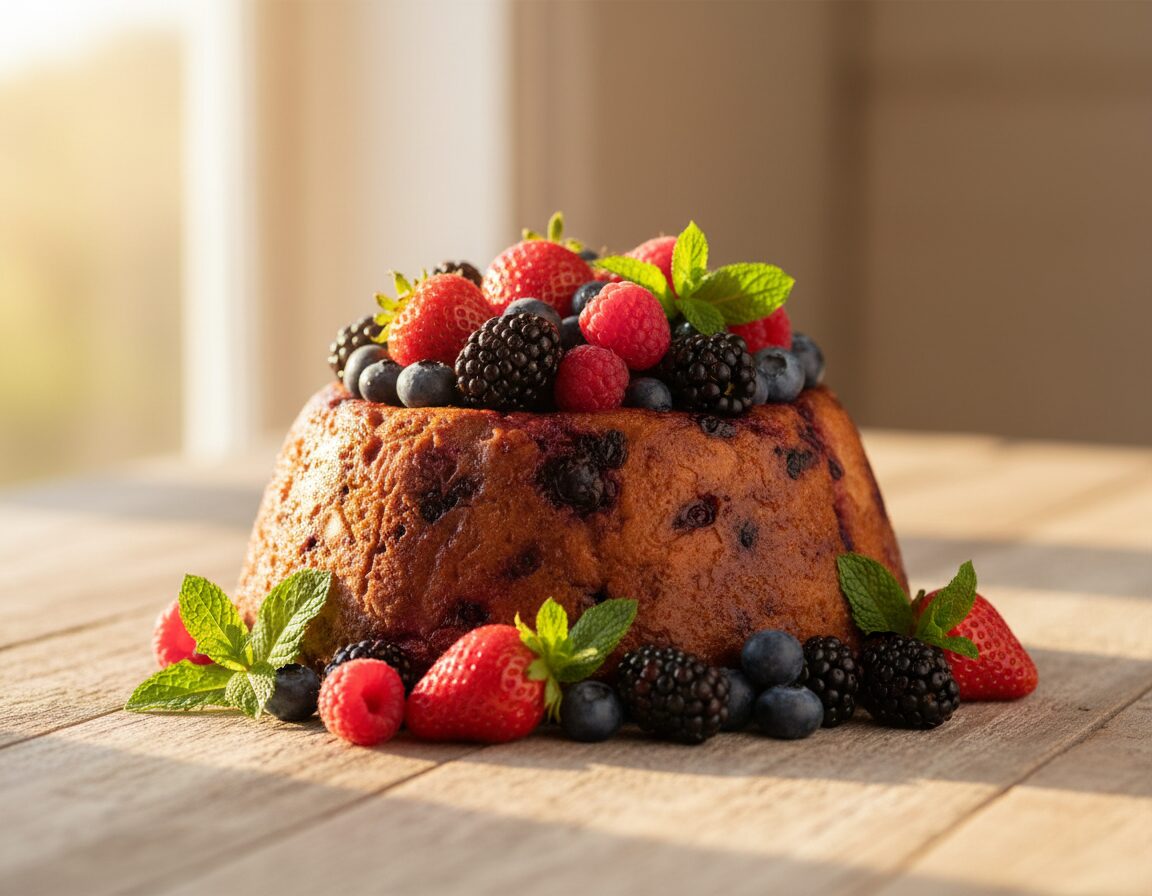
What makes it worth the fuss: sharp-sweet berry juices, soft bread and that theatrical turn-out. It tastes of the season and feels like a treat without oven drama.
The bread-to-juice trick that stops it collapsing
Use thin-sliced white or a soft farmhouse loaf. Press the slices firmly against the tin so the juice soaks evenly.
Line the mould well and compact the top with a plate and weight. That holds the shape while it chills.
Why resting matters
Chill for at least 6 hours, ideally overnight, with a weight on top. The longer it rests the firmer it becomes and the neater it slices.
What I serve alongside
- Whipped cream for the classic finish (I keep it lightly sweetened).
- Extra fresh berries when I want texture and a fresher note.
- A scoop of ice cream for a colder, more indulgent contrast on a warm evening.
Tidy-up tip: slice with a very sharp knife and wipe between cuts. It never looks pristine, but those glossy juices are part of the joy.
| Element | My approach | Why it works |
|---|---|---|
| Berries | Mix raspberries, blackberries and strawberries | Balanced sweetness and colour |
| Bread | Thin slices, pressed tightly | Soaks juice evenly and supports the dome |
| Resting | Chill 6–12 hours with weight | Prevents collapse and firms slices |
Eton mess for British summertime comfort in ten minutes
When the sun is out I reach for the fastest pudding that still feels like a treat. Eton mess is exactly that—bright, forgiving and ready in about ten minutes.
Strawberries, meringue, and cream—keeping it crisp
I lightly crush some strawberries for syrup and leave others sliced for texture. Taste first—ripe berries often need no extra sugar.
Keep crunch: don’t mix meringue into the whole lot until the last minute. That way you get shards of crisp meringue and soft fruit in every spoonful.
Easy twists: rhubarb and custard vibes, or mixed berries
I whip cream softly—just thick enough to fold. This keeps the mix light rather than heavy and lets the fruit shine.
For a nostalgic spin I swap some strawberries for stewed rhubarb and a spoon of thick custard. Mixed berries are my go-to when strawberries aren’t at their best.
- I make it in glasses for neat layers or a big bowl for family-style serving.
- Quick shopping: shop meringues, fresh berries, double cream and a lemon for lift.
- Timing: assemble in under ten minutes when guests arrive—keeps everything crisp.
| Version | Why I like it | Serve tip |
|---|---|---|
| Classic strawberry | Fast, bright, crowd-pleasing | Mix at last minute for crunch |
| Rhubarb & custard | Nostalgic tang and creaminess | Use warm rhubarb for contrast |
| Mixed berries | Reliable colour and flavour | Drain juicy fruit to avoid sogginess |
Banoffee pie with an oaty biscuit base
A great banoffee pie hinges on a set toffee and a base that keeps its shape under the banana. I like the oaty biscuit base because it gives a little nuttiness and a savoury edge that stops the whole thing being pure sugar.
Getting the toffee right so it slices cleanly
I let the toffee cool fully before I build the pie. A hot, runny toffee is the usual cause of sloppy slices.
Practical steps: cook until thick and glossy, cool at room temperature, then chill for at least two hours. That gives a firm layer that cuts neat wedges.
How I finish it: cream, banana, and a little dark chocolate
I use softly whipped cream, added last so it doesn’t collapse into the toffee. Bananas go on just before serving for freshness.
A few curls of dark chocolate bring bitter balance. The contrast keeps the slice tasting lively rather than cloying.
My “too-sweet” fixes when the bananas are extra ripe
- Stir a pinch of salt into the toffee to lift the sweetness.
- Use thicker cream and add less sugar when whipping.
- Squeeze a little lemon over very ripe bananas to cut the sugar and keep colour.
| Element | Goal | Tip |
|---|---|---|
| Base | Oaty, slightly savoury | Use crushed biscuits, melted butter, press firmly |
| Toffee | Set, sliceable layer | Cook until thick, cool, then chill |
| Finish | Balanced, fresh | Whip cream lightly; add banana last; dark chocolate for bite |
Classic British cakes that feel like dessert when served warm
Warm slices of simple cake often feel like pudding if you serve them with a ladle of custard. I like cakes because they save time and still give that proper, plated finish.
Victoria sponge with jam and cream
I keep the sponge light — don’t overfill and use a good fruit jam. A thin smear of jam and a spoonful of softly whipped cream makes the slice feel airy rather than heavy.
Serve slightly warmed for a pudding vibe, or dust with icing sugar and add a side of custard when it’s cold outside.
Madeira cake with lemon
Madeira is my go-to for “something sweet” that needs no fuss. A little lemon zest in the mix and a cosy slice do the job.
Warm for a minute in the microwave and serve with cream for a gentle lift, or keep it plain with a cup of tea.
Parkin for bonfire season
Parkin is a squidgy cake of oats, treacle and ginger — perfect when evenings get chilly. It develops flavour over a day or two, which is part of the charm.
I slice it thick, heat briefly if I have time, and match it with custard or a mug of tea for a proper seasonal treat.
Swiss roll and jam for nostalgic puddings
To stop the sponge cracking, I cool the Swiss roll while it’s rolled up. Unwrap, fill with jam and let it settle before serving.
When I want a school‑dinner moment I warm slices slightly and pour custard over — very simple, very satisfying.
- My serving rules: quick warm-up in the microwave for a slice; custard for colder nights; cream when I want it lighter.
- When they work: Victoria sponge for guests, Madeira for low-effort tea, parkin for bonfire evenings, Swiss roll for nostalgia.
| Cake | Best served with | When I use it |
|---|---|---|
| Victoria sponge | Jam + cream; custard if cold | Weekend visitors; afternoon tea |
| Madeira | Lemon zest; cream | Low‑fuss sweet, storecupboard friendly |
| Parkin | Custard or tea | Bonfire season; make ahead |
| Swiss roll | Jam; custard for nostalgia | Kids or school-dinner throwback |
british comfort desserts I always come back to (quick picks for real life)
Some puddings live in my head as true weeknight heroes — fast, forgiving and gratefully eaten. These are the ones I make when time is tight and the sink must stay manageable.
When I’ve only got storecupboard basics: chocolate sponge + hot chocolate sauce
I whip a quick chocolate sponge from storecupboard staples. A warm, glossy hot chocolate sauce makes it feel like a proper pudding.
Why it works: the sauce adds theatre and warmth without fuss.
When I want individual puddings: pear and chocolate pots
Little pots are generous and easy to prep. Poached pears with melting chocolate make neat portions and can sit in the fridge until needed.
When I’m baking with the family: jam-and-coconut sponge or cornflake tart
Kids can spread jam and crumble cornflakes. The jam-and-coconut sponge is simple and served with warm custard.
The cornflake tart uses a pastry case with a jam base for nostalgia and speed.
When I’m leaning festive: Christmas pudding vibes without the faff
I mimic the flavour — mixed dried fruit, warm spice and a splash of something boozy. No weeks of feeding; just the taste and the cosy finish.
- Fast, low‑wash-up options I use on weeknights.
- Individual pots for guests; family bakes for shared fun.
- Small swaps — sauce, spice or a jam base — lift simple recipes.
| Pick | Speed | Why I choose it |
|---|---|---|
| Chocolate sponge + sauce | 30 mins | Storecupboard, big payoff |
| Pear & chocolate pots | Prep 20 mins | Individual, prep ahead |
| Jam & coconut / cornflake tart | 40 mins | Family-friendly, nostalgic |
Conclusion
What matters most with a pud is mood and timing, not perfect technique. These puddings are about warm flavours, simple swaps and small finishing touches that make a dish sing.
If you only make one this week, start with sticky toffee for full-on cosy; an apple crumble for family evenings; a trifle for make-ahead ease; or Eton mess when you need speed. Pick a recipe that matches your time and ingredients.
Serving shortcuts: custard for proper cosiness, cream when I want it softer, and ice cream for hot‑and‑cold contrast. A splash of vanilla lifts many puds and a little ice on the side (or cold cream) completes the plate.
In winter I tilt to warm, spoonable puds. In summer I choose fruit-and-cream finishes. Make one, enjoy it, then tweak.