
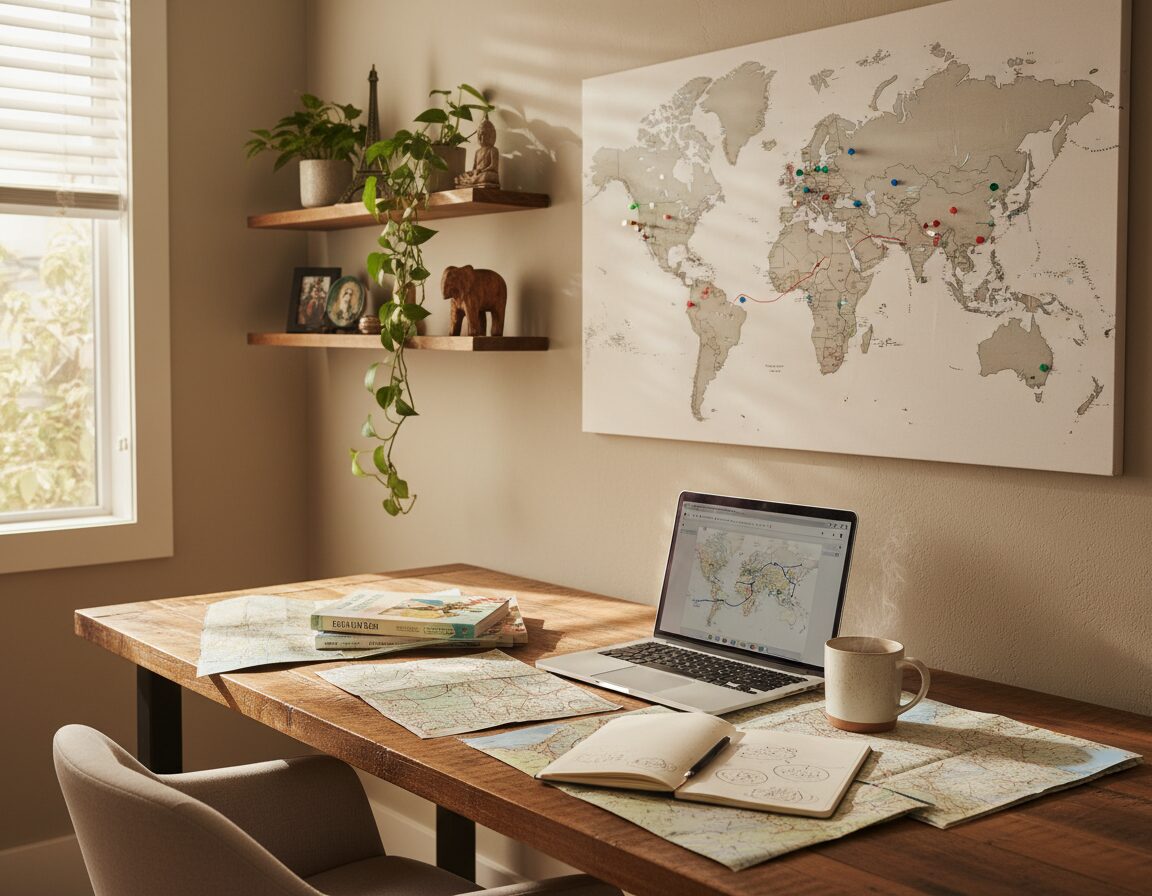
There’s a special magic to hitting the open road with everything you need packed behind you. I’ve spent years figuring out how to make those big adventures feel easy on your wallet and your nerves. Let me share what I’ve learned.
My connection to road trips runs deep. Growing up, our family holidays always involved a rented trailer. That feeling of freedom, of home moving with you, never left me.
I want to help you plan a journey that feels manageable, not overwhelming. The goal is to enjoy the drive itself, without the usual financial stress casting a shadow. Whether you’re travelling solo or with friends, the right preparation is your secret weapon.
My advice, updated as of August 2024, comes from real trial and error. I believe a great trip is about more than the final destination—it’s about the careful thought you put in beforehand. By breaking a complex plan into simple steps, anyone can master the art of affordable travel.
Key Takeaways
- Begin with a flexible route to avoid feeling pressured by a rigid schedule.
- Create a realistic budget for major costs like fuel and overnight stops.
- Pack light but always include a few key items for comfort and convenience.
- Do your research on interesting stops and attractions along your chosen road.
- Leave room in your itinerary for wonderful, spontaneous discoveries.
- Keep all your important documents and bookings organised in one place.
- Remember that the journey itself is a major part of the fun and experience.
Personal Philosophy in Planning Long Trips
For me, a successful trip isn’t about how fast you get there, but how much you enjoy the ride. I always put the quality of the experience ahead of simply ticking off miles. This mindset turns a simple drive into a proper journey.
One summer in France taught me a valuable lesson. I chose the stunning coastal road between Nice and Cannes. The views were breathtaking, but the drive took hours longer than I’d imagined.
That day showed me how essential it is to check tools like Google Maps. It would have shown the real time commitment for that scenic route. Now, I always consider how many hours I truly want behind the wheel versus exploring a local village.
Being honest with yourself about driving limits is crucial. Pushing too hard sucks the fun out of travel fast. This is especially true for first-time solo travelers finding their rhythm.
A relaxed pace is my secret. It lets me stumble upon hidden gems I’d otherwise speed right past. Embracing the journey itself, not just the destination, makes every road trip richer.
Understanding My Travel Goals and Priorities
Having clear intentions before I set off saves me from disappointment and opens the door to deeper discovery. It’s the difference between a hectic tour and a genuine journey.
Defining What Matters Most
I always ask myself what the core purpose of the trip is. Is it to reach a specific destination, or is it the experience of the road itself?
My fifteen months travelling around New Zealand taught me this. I wasn’t just visiting a country; I was learning its rhythm. That time showed me that depth beats breadth every time.
When I plan road trips now, I focus on the things that bring me joy. A quiet coastal drive can be better than rushing to ten landmarks.
| Travel Goal | Primary Focus | My Personal Example |
|---|---|---|
| Cultural Immersion | Living locally, slow pace | Spending a week in a small Welsh village |
| Scenic Exploration | Natural beauty, driving routes | Tour of the Scottish Highlands |
| Adventure & Activity | Hiking, cycling, outdoor sports | Tramping in the Lake District |
| Rest & Disconnection | Quiet, minimal driving, relaxation | A quiet break in the Cotswolds |
Setting Realistic Expectations
You simply cannot see the entire world in a few short days. I’ve learned to be honest about what’s possible. This stops the trip from feeling like a chore.
It’s a good idea to respect your physical limits. Long hours behind the wheel each day drain the fun. My best travel memories come from a slower pace.
By dedicating time to research, I craft an itinerary that balances adventure with proper rest. This way, I make sure the journey renews me instead of exhausting me.
Creating a Realistic Budget for the Journey
I view my travel budget not as a restriction, but as a tool that grants me freedom and peace of mind. It’s the framework that lets me enjoy the journey without constant money worries. For my partner and me, that means aiming for a strict £40 per day—it’s a clear number that helps us travel for longer periods.
Managing Daily Expenses
Keeping daily costs low requires a bit of strategy. I always research accommodation options well in advance, especially in popular cities during the peak summer season. This simple step prevents nasty surprises.
Food is another major part of the daily spend. I use a car cooler for picnics and snacks. It’s a fantastic way to save money in expensive places and makes for a lovely experience. You can balance an expensive day visiting a major destination with cheaper, relaxed days afterwards.
Saving for the Unexpected
No trip ever goes perfectly to plan. That’s why a contingency fund is non-negotiable. I’ve had my phone stolen abroad and essential gear break down. Without a buffer, these things can derail your whole itinerary.
My guide includes checking for public holidays along your route. Prices for hotels and food can skyrocket. A little research is the best idea for a smooth journey.
Researching Destinations, Weather, and Local Conditions
I’ve learned that a little research on destinations and weather pays off tenfold on the road. It turns potential headaches into smooth sailing. This step is about respecting the country you’re visiting and safeguarding your own experience.
Considering Seasonal Variations
Seasons change everything. I once ruled out Patagonia between June and August. I’m no mountaineer, and that’s a harsh winter. Checking the weather isn’t just about packing a coat.
It affects your route, safety, and budget. A scenic road in summer can be impassable in winter. I always use the RAC website for driving forecasts. It’s a reliable way to avoid getting caught out.
Evaluating Local Attractions
I look for places most travellers miss because they’re in a rush. The hidden village, the local market, the quiet viewpoint. These spots define a trip for me.
Spending time to find them means I experience a destination, I don’t just pass through it. It makes the journey feel uniquely mine.
| Research Focus | Why It Matters | My Trusted Check |
|---|---|---|
| Seasonal Weather | Avoids unsafe conditions, saves money | RAC website & local tourism sites |
| Local Attractions | Finds unique experiences, avoids crowds | Travel blogs & offline maps |
| Travel Advisories | Ensures safety, prevents disruptions | UK Foreign Office website |
| Accommodation & Food | Manages budget, finds authentic spots | Booking apps & local review sites |
This methodical approach is similar to my step-by-step guide for hiking. Knowing the lay of the land before you go is always a good idea. It builds confidence and lets you enjoy the moment.
Mapping Out My Route with Google Maps
A good map is more than just directions; it’s the first draft of your adventure. My trusted method for this is Google My Maps. It turns a vague idea into a clear, flexible journey I can see and tweak from my kitchen table.
Adding and Organising Destinations
I start by adding all my key stops. The beauty of My Maps is creating layers. I might have one for ‘must-see’ spots, another for food, and a third for backup accommodation options. This brings instant clarity to a complex route.
I always check the step-by-step directions in the route layer. It shows the real driving time and distance for each leg. Knowing this in advance stops me from overloading a single day.
Customising the Route for Scenic Stops
Customising is the fun part. I simply drag the blue line on the map. This lets me include a scenic coastal road or a charming market town I’d otherwise miss. It’s a simple trick that defines the whole experience.
For complex journeys, I use the desktop version at home. The phone app is great for live updates, but the big screen is better for advance work. This method is perfect when you plan a multi-destination European trip.
Mapping everything out helps me make sure I don’t bypass important places, especially in a new country. My final tip? Always keep a paper road atlas in the car. It’s a reliable backup if your phone or sat-nav has a moment.
Timing My Driving Hours and Planning Regular Breaks
I treat driving hours like ingredients in a recipe—balance is everything. Getting it wrong can turn a lovely journey into a stressful marathon.
My own lesson came on a massive 1,267 km drive from Sainte-Anne-des-Monts to Toronto. I pushed through in one go, but it taught me a vital point: know your limits.
Choosing the Best Times to Drive
I now schedule my time behind the wheel for when I feel most alert. My vision isn’t as good after dark, so I prefer daytime driving.
It’s a good idea to check for road works in advance too. I use the National Highways tool to avoid getting stuck for hours.
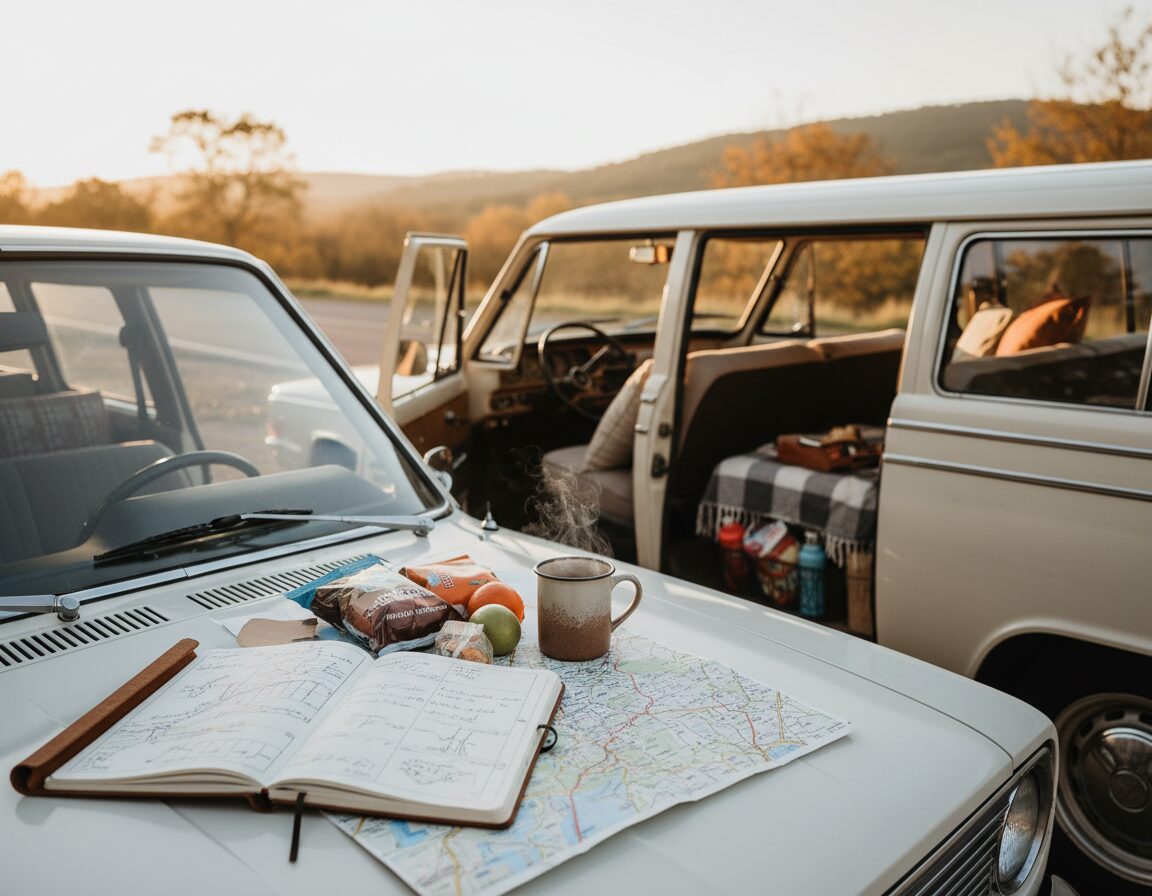
Incorporating Rest and Safety Breaks
Regular pauses are non-negotiable. The government’s Think! campaign advises a 15-minute stop every two to three hours.
This simple habit restores concentration. I plan my stops ahead to find safe, pleasant places to stretch my legs.
| Driving Duration | Recommended Break | My Suggested Activity |
|---|---|---|
| 2-3 hours | 15 minutes | Quick walk, coffee, check phone |
| 4-5 hours | 30-45 minutes | Proper lunch, explore a local point |
| Full day | Multiple short breaks | Share driving if possible, switch scenery |
Sharing the driving duties with a companion cuts risk dramatically. It makes the whole experience more enjoyable for everyone.
Prepping My Car and Packing Essential Items
A reliable car is the unsung hero of any great road adventure, which is why I never skip the pre-trip checks. This final stage of preparation turns anxiety into confidence. It ensures my vehicle is a trusted partner, not a source of worry.
Car Maintenance and Pre-Trip Checks
I always start with the tyres. The 20p coin test is my go-to guide. If I can’t see the outer band when I insert the coin, the tread is above the 1.6mm legal limit. It’s a simple but vital check.
Having breakdown cover is a non-negotiable part of my travel kit. I rely on the RAC. Their patrols fix four out of five breakdowns at the roadside, often arriving in an hour or less. That peace of mind is worth every penny.
Under the bonnet, I make sure the oil and coolant are at the right levels. I also test all my lights and top up the washer fluid. Taking the time for a full service before a big trip is the best way to avoid trouble miles from home.
Packing smartly is just as important. I place the heaviest items towards the centre of the car. This keeps the weight even and improves driving safety. A first-aid kit, torch, and spare batteries are essential things I always pack.
These steps might seem small, but together they build a solid foundation. They let me focus on the journey itself, not the mechanics of the road.
Learning from My Previous Road Trip Experiences
Looking back at my journeys, I realise the best lessons often come from the unexpected hiccups. Things rarely go exactly as planned. My phone was stolen in Bogota, and my friend Martin broke his near Laguna Paron.
These moments taught me to always have a backup. I now keep digital copies of my passport and tickets online. It’s a simple way to avoid major stress.
Flexibility has given me my best memories. When a main route was closed, we found a stunning detour. I make sure my itinerary has room for such changes.
Reflecting on past trips shows me what to improve. This guide is built from those lessons. Accepting challenges as part of the journey keeps me calm.
| Problem Encountered | Lesson Learned | My Action Now |
|---|---|---|
| Phone stolen in Bogota | Always have a backup for essential tech | Carry a cheap backup phone & digital documents |
| Route closed in the Highlands | Flexibility reveals better alternatives | Research a couple of detour options in advance |
| Major tour fully booked | Spontaneity can lead to unique finds | Ask locals for their favourite lesser-known spots |
Now, I see a disrupted plan as a chance for a new experience. It’s a better way to travel. This mindset turns potential frustration into discovery.
Planning Long Trips on a Budget
How you manage your funds on the road depends a lot on whether you’re travelling alone or with others. The core goal is the same: to stretch your money so you can enjoy more of the journey.
Adapting Budgeting Tips for Solo and Group Travel
I’ve found solo travel offers total freedom, but you bear every cost. Group journeys can be cheaper, splitting fuel and accommodation. This requires more coordination, though.
My top budget tip is to eat where locals do. A little research finds fantastic, affordable food. I also seek out free activities like hiking or visiting public parks.
These are a brilliant way to experience a new country. You can find great ideas for such great weekend escapes with a bit of looking.
| Budget Factor | Solo Travel | Group Travel |
|---|---|---|
| Cost Sharing | You pay for everything | Fuel & lodging split reduces individual cost |
| Coordination Needed | Minimal; you decide | High; requires group agreement |
| Social Aspect | Quiet, self-directed | Built-in company, shared memories |
| Flexibility | Total; change plans instantly | Limited; must consider others |
Your budget must adapt for each new destination. Accommodation choices make a huge difference. Hostels or camping slash costs, letting you stay out for more days.
Keeping a close eye on daily spending is the final, crucial step. It’s the best way I make sure my money lasts for the entire journey.
Evaluating Accommodation, Food, and Safety Essentials
Where you sleep and what you eat on the road can make or break your entire adventure. Getting these basics right is a huge part of enjoying my travel. It turns a functional stop into a proper rest.
Finding Cost-Effective and Comfortable Options
My first budget tip is for accommodation. I use sites like Booking.com to find comfortable options. I make sure to book in advance if my planning is firm. This can save time and money, especially near popular spots.
Finding affordable food is another great way to manage costs. I always carry a refillable water bottle and snacks like nuts. It keeps my energy up between proper meals at my destination.
Safety is my absolute priority. I always take out a travel insurance policy from providers like World Nomads. If you’re sharing a vehicle, remember temporary cover is available from 1 hour to 30 days.
It’s also a good idea to keep a basic first-aid kit in your car. I check the safety of any lodging by reading recent reviews from other travellers. This preparation gives me the peace of mind I need to enjoy my trip.
Being ready with the right insurance and gear lets me relax. It means I can focus on the experience, not the ‘what-ifs’. That confidence is priceless for the entire journey.
Crafting a Flexible Itinerary for Long-Term Travel
I build my travel plans like a sketch, not a blueprint, leaving plenty of room for the unexpected. This approach turns a simple trip into a richer experience. A rigid schedule can stifle the joy of discovery.
Allowing for Spontaneity and Changes
It’s a brilliant idea to leave some days completely open. This lets you stay longer in a destination you fall in love with. You might find a fantastic local festival or a hidden coastal road.
I make sure to have a rough outline for each country. But I’m always ready to alter the route if a better option appears. This flexibility is the best part of exploring the world.
I’ve learned that travel fatigue is very real. To avoid burnout, I deliberately build in rest days. These pauses are essential for a long journey.
Doing the bulk of your itinerary work at home is much easier. Trying to organise complex planning in a noisy hostel is no fun. A little prep gives you a solid guide to follow.
By staying adaptable, I can handle weather changes or new opportunities. This way, my itinerary serves me, not the other way around. It keeps the whole trip wonderfully stress-free.
Conclusion
Remember, the best journeys are those where you feel in control, yet open to wonderful surprises. I hope this guide has given you the confidence to start your own adventure. Exploring the world on your terms is an incredible experience.
For me, the most important part of any trip is the memories you create. You’ll learn so much about yourself along the way. Always prioritise your safety and stay within your budget.
Don’t be afraid to change your itinerary if the situation requires it. With the right preparation, you can enjoy a stress-free road trip that fits your financial means. Breaking the process into logical steps makes it much less daunting.
Thank you for reading my tips. I wish you the very best of luck with your upcoming travel and future journeys.