
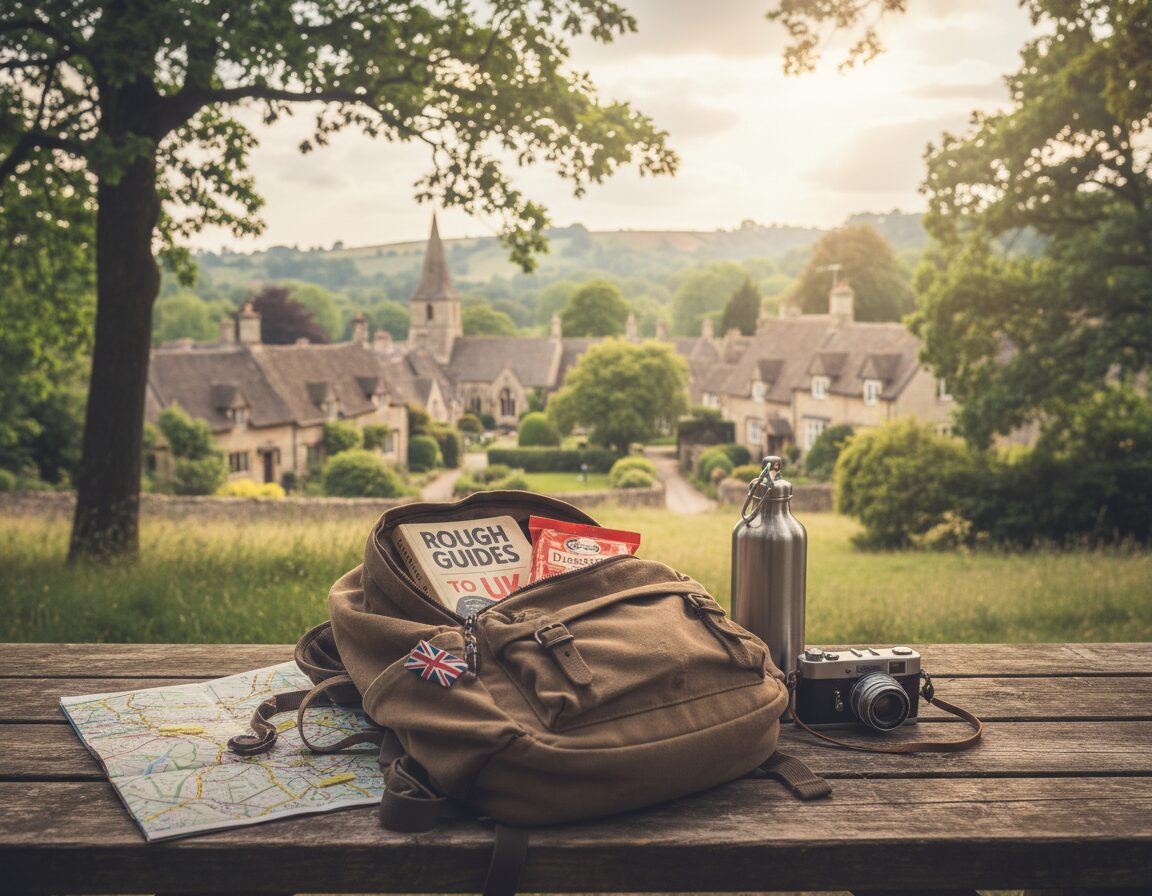
There’s a special thrill in discovering Britain’s rolling hills and historic cities without watching your bank balance shrink. My approach to UK travel on a budget is built from years of trial and error—it’s less about sacrifice and more about making clever, informed choices.
I’ve spent ages refining how I see our country, ensuring every journey feels rich without the cost. You might hear that daily expenses are steep, but with a bit of savvy planning, you can comfortably manage on anywhere from £50 to £150 per person. It all comes down to your style and destinations.
My goal is simple: to share how I keep my costs low while still soaking up the incredible history and landscapes that define these isles. Exploring on a shoestring requires careful thought, but the rewards—from stumbling upon a hidden coastal path to finding a cosy, affordable pub—are truly immense.
I’ll guide you through my best finds, from securing cheap transport to uncovering gems that cost absolutely nothing. By following these practical tips, you can experience the beauty of our countryside and the buzz of our cities without breaking the bank.
Key Takeaways
- With careful planning, your average daily spend in Britain can range from £50 to £150.
- Smart exploration focuses on value and experience, not just cutting costs.
- Personal, tested strategies can help you enjoy rich history and scenery affordably.
- Significant savings are possible on transport and discovering free attractions.
- The rewards of a well-planned, budget-conscious trip are deeply satisfying.
- This guide offers practical steps to manage your finances while you travel.
- You can experience vibrant cities and serene landscapes without financial stress.
Getting Started: Planning My Shoestring UK Adventure
I’ve learned that the key to a successful, low-cost trip lies in meticulous preparation. It turns a dream into a practical, affordable reality.
My first step is always to set a realistic daily budget. I work with the average of £50 to £150 per person, which covers a bed, meals, and getting around. This figure gives me a clear financial framework for my entire journey.
Next, I create a personal guide. This isn’t a fancy document—just notes on costs and logistics. I research flight prices, often finding better deals at Gatwick than Heathrow. I also check onward travel from hubs like Manchester to keep total expenses down.
Mapping my route in advance is crucial. It lets me spot which regions offer the best value before I commit. This pre-trip work saves me from costly surprises later on.
| Planning Focus | Cost Consideration | My Action |
|---|---|---|
| Daily Spend | £50 – £150 per person | Set this as my non-negotiable ceiling. |
| Flight Research | Varies by airport & airline | Compare Gatwick vs. Heathrow consistently. |
| Onward Travel | Connections from major hubs | Factor in train or coach costs from arrival airport. |
| Route Value | Regional price differences | Plot a journey that prioritises high-value areas. |
This structured approach means my budget works for me, not the other way around. I can step off the plane feeling confident and ready to explore.
Finding Affordable Transport Options
Controlling your transport costs is the single most effective way to stretch your funds further. I’ve found that a mix of planning and knowing which service to use makes all the difference.
Budget Coach and Bus Journeys
For longer distances, coaches are my go-to. Operators like National Express and Megabus offer remarkably low fares. I book these tickets as far ahead as possible—sometimes up to a year in advance—to lock in the best price.
The seats are comfortable, and you see a lot of the countryside. It’s a slower but very cost-effective mode of transport.
Train Tips and Advance Bookings
When I need the speed of rail, I plan meticulously. Booking train tickets around 12 weeks before travel is my golden rule. This simple habit saves an average of 61% compared to buying on the day.
I always travel off-peak to avoid premium fares. If I’m making several trips, a National Rail railcard pays for itself quickly.
| Mode | Best For | Key Saving Tip | My Advice |
|---|---|---|---|
| Coach | Long, scenic journeys | Book up to a year ahead | Perfect for flexible schedules. |
| Train | Speed between cities | Book 12 weeks in advance | Always check for off-peak times. |
| London Tube | Airport transfers | Use the Elizabeth Line | A £5.60 ride beats a costly taxi. |
This approach keeps my daily spend predictable. It lets me allocate more money to enjoying my destinations.
Secrets for uk travel on a budget
The real magic of a thrifty British adventure often lies far from the well-trodden tourist paths. Outside the major hubs, the rest of England becomes much more affordable. These off-the-beaten-path destinations are highly rewarding.
I avoid the most expensive tourist traps during peak times. By heading to smaller towns and rural areas, my money stretches much further than in central London or Edinburgh.
I always seek out free natural sights and heritage attractions. They are plentiful across the country and provide excellent value for my time.
My favourite saving tactic is researching the best places to visit that aren’t in standard guidebooks. Being flexible with my itinerary lets me snap up last-minute deals. For getaway ideas, explore these best budget weekend trips in the. This turns a simple travel plan into a clever budget adventure.
Navigating London’s Cost-Conscious Attractions
I’ve found that the heart of this great city opens up when you know where to look for value. London’s world-class culture doesn’t require a hefty entry fee.
Exploring Free Museums and Galleries
My days here often revolve around its incredible free museums and galleries. Institutions like the British Museum and the National Gallery offer total free entry. This lets me soak up history and art without spending a penny.
It’s a fantastic way to keep my daily budget firmly on track while enjoying top-tier attractions.
Using Public Transport Wisely
Getting around this massive city is all about smart choices. I always avoid expensive taxis.
The iconic number 11 bus is a favourite. For just a few quid, it passes Big Ben and Westminster Abbey. The Tube and other bus routes are my go-to for a cost-conscious journey across town.
| Transport Mode | Cost Example | Best For | My Tip |
|---|---|---|---|
| London Bus | £1.75 per journey | Sightseeing routes | Use the number 11 for a scenic tour. |
| Underground | £2.80 – £5.60 (Zone 1) | Fast cross-city trips | Travel off-peak for lower fares. |
| Walking | Free | Southbank strolls | Perfect for street performers and atmosphere. |
This approach means I see the sights, stay mobile, and protect my funds all at once.
Exploring the Countryside Without Breaking the Bank
One of my greatest pleasures is discovering that the most stunning landscapes in this country come with no entry fee. Stepping into the green heart of Britain is my favourite escape—it’s where daily costs melt away and the experience feels truly special.
National Parks and Scenic Walks
I head to places like the Brecon Beacons or the Lake District. Here, spectacular mountain views and inspiring lakes are completely free to enjoy. I just lace up my boots and follow the public footpaths that crisscross the entire nation.
These paths are my perfect guide to the scenery. For a longer stay, I’ve found camping in rural areas to be wonderfully affordable. Some farmers offer simple pitches for around £10 a night.
My final tip is to pack a simple picnic. It’s the easiest way to maintain my daily budget while enjoying a full day immersed in nature.
Dine Smart: Enjoying Budget-Friendly British Meals
One of the simplest joys of my journeys is discovering hearty, local food that fits my budget. I focus on authentic flavours and clever timing to keep costs down without missing out.
Savouring Takeaway Fish Chips and Pub Lunches
My first stop is often a local chippy. A classic portion of takeaway fish and chips costs around £10. It’s a filling meal that feels like a real treat.
I love taking it to a nearby beach or park. Eating it as the sun sets turns a simple supper into a memorable experience.
For a sit-down meal, I seek out a friendly gastro-pub. Their lunch menus usually offer main courses between £12 and £20. I go on weekdays when many places have set menus or two-for-one deals.
This makes a pub lunch surprisingly affordable. It’s a chance to relax and soak up the local atmosphere.
When I’m moving between sights, I pop into a supermarket. Shops like Aldi and Lidl have great meal deals for a quick, cheap lunch. It keeps my daily spend firmly on track.
Budget Accommodation Tips Across the UK
My accommodation strategy focuses on value and local charm, not just the lowest price. Where I lay my head greatly influences my trip’s feel and finances.
Hostels, Guesthouses and Camping Pitches
I often choose YHA hostels for a sociable base. A dorm bed here typically costs between £15 and £30 per night.
It’s perfect for my needs and keeps daily expenses predictable. For a rustic escape, I seek out simple camping pitches.
These can be found for around £20 to £30, especially in beautiful countryside. It’s a wonderfully affordable way to immerse myself in nature.
I find guesthouses or B&Bs offer more character than city centre hotels. They are often cheaper and provide a genuine local welcome.
Travelling with friends opens more options. We sometimes book an entire dorm or a holiday park cabin to split the costs.
| Type | Typical Cost Per Night | Best For | My Booking Tip |
|---|---|---|---|
| Hostel Dorm | £15 – £30 | Solo travellers & socialising | Book direct for member discounts. |
| Camping Pitch | £20 – £30 | Nature lovers & rustic trips | Check a beginners guide to camping first. |
| Guesthouse / B&B | £40 – £70 (room) | Couples & local charm | Look for deals mid-week. |
| Holiday Park Cabin | £80+ (split) | Group travel | Book off-peak for best value. |
I always check sites like Pitchup for the best deals before finalising my plans. This research ensures my accommodation costs work hard, leaving more for adventures.
Discovering Free Heritage and Cultural Attractions
Unlocking the nation’s past doesn’t have to come with a hefty price tag. I find its history is best enjoyed through its countless accessible attractions.
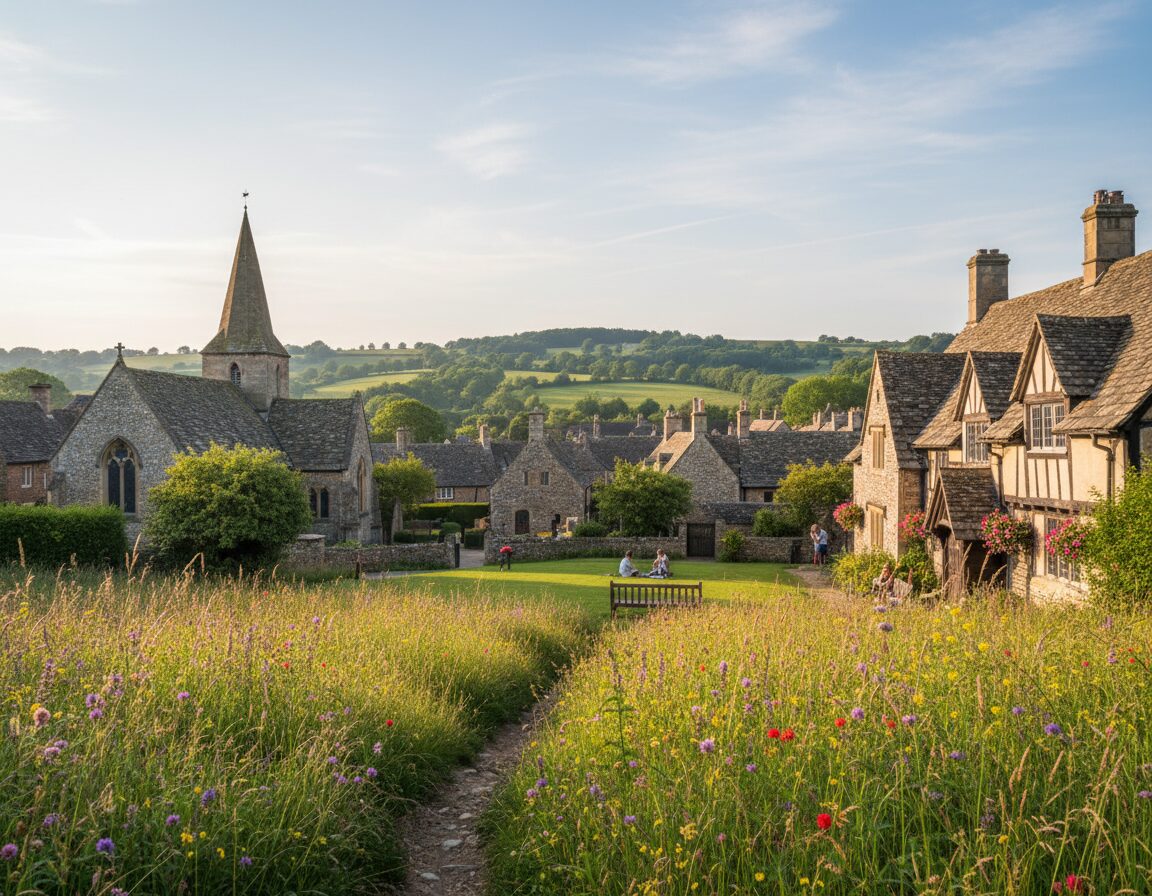
My top tip is an annual membership for the National Trust or English Heritage. If you plan to see several historic sites, it pays for itself quickly. You get free entry and parking at famous spots like Stonehenge.
I also love to pop into local cathedrals and churches. They’re usually free to enter and offer a quiet, fascinating glimpse into centuries of history.
For museums that charge, I always check their website first. Many have a monthly free-entry day, which is perfect for planning. I find these cultural sites are some of the best places visit for understanding the country.
This approach lets me immerse myself in culture while sticking firmly to my daily budget.
Outdoors and National Parks: A Natural Plethora
My most cherished memories often come from days spent wandering freely through the country’s protected landscapes. These areas are a natural plethora of beauty and activity, offering the perfect reset.
Walking Trails and Biking Paths
I love hiking to spots like Malham Cove in the Yorkshire Dales. The stunning limestone cliffs and waterfalls are completely free to explore. Many national parks offer miles of biking paths and walking trails, perfect for an active, low-cost holiday.
Hidden Gems in Rural Landscapes
I often seek out lesser-known treasures. The cliff lookout at Old Harry Rocks in Dorset offers breathtaking views. With a good map of the country, I find these remote places without paying for expensive tours.
These natural parks are the best spots to recharge your batteries. They fit a clever budget and are even better with a bit of planning, like on a well-planned UK road trip.
City Adventures: Budget Fun in Urban Areas
I plan my urban days around a simple rule: seek out the free and the fantastic. This turns a potential expense into an immersive cultural experience.
Liverpool is a perfect example. I spend hours in its free museums and galleries. The iconic Cathedral is another stunning, cost-free highlight.
Other cities offer similar value. Leeds has brilliant free live music venues. Glasgow’s street art walking trails reveal its vibrant creative side.
My approach makes urban exploration a brilliant budget choice. I use a simple table to compare the best places to visit.
| City | Free Highlight | Vibe & Experience |
|---|---|---|
| Liverpool | Museums & Cathedral | Rich maritime history & grand architecture. |
| Glasgow | Street Art Trails | Edgy, creative urban walk with stunning murals. |
| Bristol | Suspension Bridge | Iconic engineering feat with amazing harbour views. |
| Leeds | Live Music Venues | Buzzing nightlife and local bands for free. |
This strategy lets my travel funds go further. I enjoy the buzz of a major city while sticking to a clever spending plan.
Tips for Saving on Local Transport Fares
Getting around locally doesn’t have to drain your wallet if you tap into a few clever discount programmes. I focus on schemes that turn everyday journeys into real value.
My strategy combines loyalty to specific offers with smart timing. This approach keeps my daily spending predictable and low.
Discount Schemes and Advance Purchases
I always check the National Rail Days Out guide first. It gives me 2-for-1 entry to over 300 attractions when I arrive by train. This one move saves me a significant amount of money on entry fees.
For family trips, I look at schemes like Southeastern Railway’s Kids for a Quid. It makes local transport much more affordable when travelling with children. If I’m planning a multi-city trip, a BritRail Pass offers excellent value for unlimited travel.
I never buy a ticket without comparing prices on the National Rail website first. Planning my transport well in advance means I can allocate more of my funds to experiences rather than just getting from place to place.
| Scheme | Key Benefit | Ideal For | My Advice |
|---|---|---|---|
| National Rail Days Out | 2-for-1 attraction entry | Day trips with cultural visits | Always check participating venues before you travel. |
| Kids for a Quid | Cheap child fares | Family journeys in the South East | Perfect for weekend outings with young ones. |
| BritRail Pass | Unlimited national travel | Multi-stop itineraries | Calculate if your planned journeys justify the upfront cost. |
| Advance Purchase | Up to 61% savings | Any fixed-date journey | Book train tickets around 12 weeks ahead for the best deals. |
This methodical approach to local transport ensures I never overpay. It leaves more in my pocket for enjoying the destination itself.
Smart Booking Strategies: Planning Ahead for Savings
Securing the best value for my journeys isn’t about luck; it’s a result of deliberate, early booking. I’ve learned that the most effective way to save on rail travel is to book tickets around twelve weeks in advance. This simple habit slashes fares dramatically compared to last-minute prices.
My strategy extends far beyond trains. It’s a multi-pronged approach to locking in value across every part of my trip. Being organised is the only method I trust to keep my spending firmly in check.
Here are the key tactics I always use:
- I book my accommodation and transport as far ahead as possible. This is the single biggest move for saving money.
- In cities, I use apps like AppyParking to find free street parking. It saves me from costly congestion charges.
- Before I go, I check social media pages for attractions and restaurants. They often advertise special discount deals there.
- I’m signed up to online deals websites like Groupon. They offer significant savings on meals and days out across the country.
This level of planning means I never arrive somewhere to find I’ve missed a deal. It turns a potential expense into a managed part of my overall budget. The peace of mind is worth the extra effort upfront.
Seasonal Considerations for Affordable UK Travel
I’ve discovered that the time of year dramatically shapes both the cost and feel of my adventures. The peak tourist season runs from June to August. During these summer months, accommodation and transport prices can rise significantly.
I prefer the shoulder seasons of April to May or September to October. The weather is still mild, but prices are much lower. It’s a perfect balance for my budget.
I avoid the peak summer period when everything becomes more expensive. The off-season from November to March is the cheapest time to visit. I just pack for colder conditions.
I always check school holiday dates. Prices for accommodation and transport tend to spike every six to seven weeks throughout the year. By planning around these, I avoid unexpected costs.
Choosing quieter months lets me enjoy popular spots without the crowds. I experience them at a fraction of the usual cost, making my journey more peaceful and affordable.
Balancing Cost and Experience in My Journeys
Finding the sweet spot between spending and enjoyment transforms a simple trip into a memorable adventure. I believe that balancing cost and experience is the key to a successful journey.
The average daily cost of £50 to £150 allows for a balanced experience. It covers essential needs while leaving room for occasional treats. This range gives me the flexibility to enjoy myself without financial stress.
I prioritise spending on things that truly matter to me. Often, I choose self-catering accommodation. It’s a great way to save money by preparing my own meals instead of eating out every night.
By being mindful of my daily costs, I can afford to stay longer in the places I love. My approach focuses on the quality of the experience rather than the luxury of the accommodation.
I always keep a small emergency fund in my budget. This gives me peace of mind and allows me to handle any unexpected travel expenses. It’s a simple strategy that ensures my journey remains enjoyable.
Local Guides and Insider Tips for Thrifty Travellers
Nothing beats the feeling of finding a spot loved by residents, completely off the tourist radar. My best tips come from connecting with the community itself.
I always join local Facebook groups for the cities I visit. They are goldmines for current deals on attractions and meals. Community newspapers are another excellent resource for special offers.
Talking to locals is the surest way to discover hidden gems. These places often aren’t in any guidebook. Being curious and asking questions has led me to some beautiful corners of the country.
| Resource | What You Find | Best For |
|---|---|---|
| Local Facebook Groups | Insider tips on budget-friendly spots, event deals | Finding current discounts in specific cities |
| Community Newspapers | Special offers on attractions and dining | Saving money on cultural activities |
| Chatting with Locals | Hidden gems not in guidebooks | Discovering unique places |
This approach transforms my travel. It keeps my daily budget intact while revealing the authentic heart of a destination.
Conclusion
Ultimately, a successful trip is measured by the stories you bring home, and those don’t have a price tag. I hope my tips have shown that exploring on a budget is deeply rewarding.
From free museums to a classic fish and chips supper, there are countless ways to save money. You can find brilliant cheap places to visit, from vibrant cities to serene national parks.
Remember, booking trains and accommodation ahead is the smartest way to manage costs. This lets you enjoy the attractions and art without worry.
I encourage you to get out there. Discover the best places across this country, whatever your budget. I look forward to hearing about your own adventures and the money you saved.